
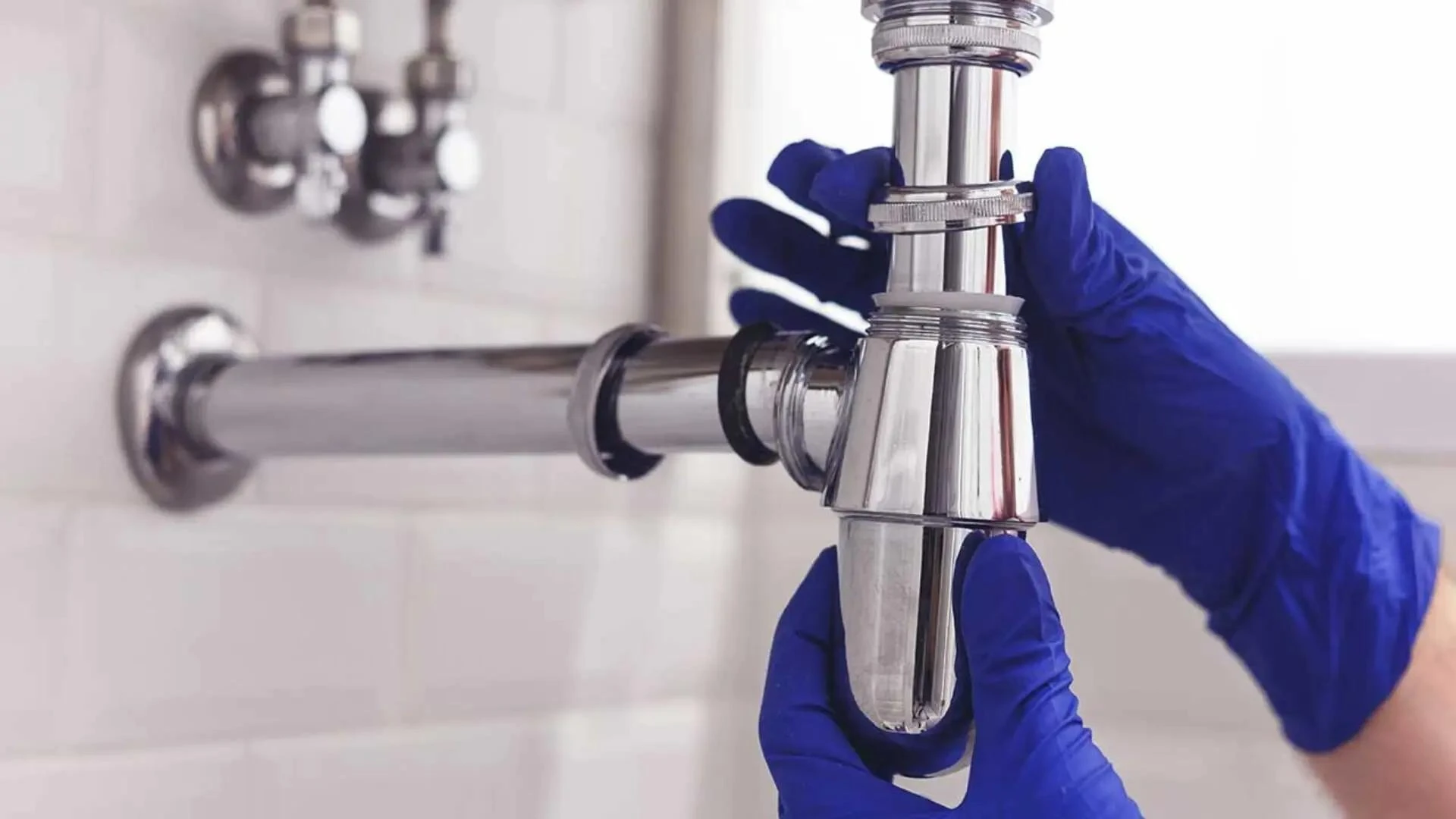
Plumbing is one of those systems in a home or business that often gets ignored—until something goes terribly wrong. Burst pipes, water damage, clogged drains, and leaking faucets can cause not only inconvenience but significant financial strain. However, most of these issues are preventable. A bit of routine maintenance and a proactive approach can save homeowners and property managers thousands of dollars in repairs.
This comprehensive guide will outline preventative plumbing tips that are simple, cost-effective, and capable of preserving the integrity of your plumbing system. Whether you're a DIY enthusiast or someone who prefers to call in a pro, these strategies can help you maintain a healthy system and avoid future headaches.
Why Preventative Plumbing Matters
It’s easy to overlook plumbing maintenance, especially when everything seems to be working fine. However, plumbing problems often develop silently. A slow leak behind a wall, corrosion in the pipes, or tree roots invading your sewer line can go unnoticed for months until a major issue arises.
According to the Environmental Protection Agency (EPA), household leaks can waste nearly 1 trillion gallons of water annually nationwide. That’s not just bad for the environment—it’s a drain on your wallet. Leaky faucets and toilets can add up to hundreds of dollars a year in extra utility bills.
Furthermore, the average cost to repair water damage in a home ranges from $1,300 to $5,600, depending on the extent of the damage and affected materials, according to HomeAdvisor. That's money that could be saved through regular inspection and maintenance.
Simple Maintenance Tips to Avoid Costly Plumbing Repairs
Here are practical, preventative plumbing tips you can use to protect your home and your bank account:
1. Inspect for Leaks Regularly
A small drip can signal a larger issue. Periodically inspect the following for leaks:
- Faucets and showerheads: Even a slow drip can waste gallons of water per day.
- Toilets: Listen for running water, and use food coloring in the tank to test for silent leaks into the bowl.
- Under-sink cabinets: Check for water stains, warping, or mold.
Tip:
Place a paper towel under pipes or fixtures for a day and check for moisture. If you notice dampness, investigate further.
2. Know Where Your Main Water Shut-Off Valve Is
In the event of a burst pipe or major leak, shutting off the water supply quickly can prevent severe water damage. Make sure everyone in your household knows the location of the main valve and how to operate it.
Pro Tip: Test the valve once a year to ensure it turns easily and isn’t corroded or stuck.
3. Avoid Chemical Drain Cleaners
Chemical cleaners can seem like a quick fix for a clogged drain, but they often do more harm than good. These harsh substances can erode your pipes over time, leading to leaks and pipe failures.
Instead:
- Use a plunger or a drain snake.
- Try a baking soda and vinegar solution, followed by hot water.
- Install drain screens to catch hair and debris.
4. Flush Your Water Heater
Sediment buildup in the water heater can reduce efficiency and lead to failure. Flushing the tank once a year removes this sediment and extends the lifespan of the unit.
How to do it:
- Turn off the power (electric) or gas supply (gas).
- Connect a garden hose to the drain valve.
- Drain several gallons into a bucket or outside.
- Turn the water supply back on to rinse remaining sediment.
If you’re uncomfortable doing this yourself, hire a licensed plumber.
5. Insulate Pipes to Prevent Freezing
Frozen pipes are one of the most common causes of plumbing disasters during winter. When water freezes, it expands, and this can cause pipes to burst.
To prevent this:
- Insulate exposed pipes in basements, attics, and crawl spaces.
- Seal gaps around doors and windows.
- Leave cabinet doors open in cold weather to allow warm air to circulate around pipes.
6. Watch What You Flush or Drain
Your toilet is not a trash can. Items such as wipes (even the “flushable” kind), paper towels, feminine hygiene products, and cotton balls should never be flushed. They don’t break down easily and can cause major blockages in your plumbing system or septic tank.
In the kitchen:
- Never pour grease, oil, or coffee grounds down the sink.
- Use a sink strainer to catch food particles.
7. Check Water Pressure
Excessive water pressure can stress your plumbing system and lead to leaks or burst pipes. Ideal residential water pressure should be between 40–60 psi. You can check your pressure with a water pressure gauge available at hardware stores.
If your pressure is too high:
- Consider installing a pressure-reducing valve (PRV).
- Consult a plumber for installation.
8. Test Sump Pump Functionality
If you have a basement or live in a flood-prone area, your sump pump is your first line of defense. Test it before heavy rain or annually to ensure it’s working properly.
How to test:
- Pour a bucket of water into the sump pit.
- The pump should turn on, remove the water, and shut off automatically.
Clean the sump pit and check the discharge line for blockages while you're at it.
9. Install Water Leak Detectors
Smart home technology includes water leak detectors that send alerts to your phone if they detect moisture. Place them near water heaters, washing machines, and under sinks.
This small investment can prevent major water damage, especially when you're away from home.
10. Schedule Annual Plumbing Inspections
While DIY maintenance is effective, having a professional plumber inspect your system annually can identify hidden issues you might miss. They can check for:
- Corrosion or mineral buildup in pipes.
- Early signs of sewer line blockages.
- Proper venting and drainage.
- Water heater efficiency and lifespan.
Many plumbers offer annual service plans that include inspections and discounts on future work.
Extra Tips for Long-Term Plumbing Health
In addition to routine maintenance, consider these best practices to further protect your system:
Upgrade Aging Plumbing
If your home is over 30 years old and still uses galvanized steel pipes, consider replacing them with more durable materials like PEX or copper. Aging pipes are prone to corrosion and leaks.
Install Water Softeners in Hard Water Areas
Hard water contains high levels of calcium and magnesium, which can cause mineral buildup in pipes and appliances. A water softener can help reduce scale and extend the life of your plumbing fixtures.
Monitor Monthly Water Bills
A sudden spike in your water bill could indicate a hidden leak. Compare bills month-to-month and investigate any unexplained increases.
What to Do If You Find a Problem
If you discover a minor issue, such as a slow-draining sink or a dripping faucet, address it as soon as possible. Ignoring small plumbing problems often leads to larger, costlier ones. For major concerns—especially those involving the main sewer line, water heater, or pipes within walls—consult a licensed plumber immediately.
Final Thoughts
Preventative plumbing is all about being proactive. Regular inspections, small DIY fixes, and good habits can prevent major repairs and protect one of the most vital systems in your home. By following the tips in this guide, you not only preserve the health of your plumbing but also protect your wallet from avoidable expenses.
Water damage and plumbing disasters can happen to anyone, but with a little foresight and maintenance, you can significantly reduce the risk. The key is consistency: make plumbing maintenance a regular part of your home care routine, and you’ll reap the rewards for years to come.
Summary Checklist
Here’s a quick reference checklist to keep your plumbing in top shape:
- ✅ Check for visible leaks monthly
- ✅ Flush water heater yearly
- ✅ Test sump pump annually
- ✅ Use strainers in sinks and tubs
- ✅ Insulate exposed pipes before winter
- ✅ Avoid pouring grease or flushing non-degradable items
- ✅ Monitor water pressure
- ✅ Review your water bill for irregularities
- ✅ Schedule annual professional inspection
- ✅ Install water leak detectors for peace of mind
Taking care of your plumbing system doesn’t have to be overwhelming. With just a few preventative steps, you can save water, protect your home, and avoid those dreaded emergency repair bills.
Let your pipes serve you quietly and efficiently—because the best plumbing is the kind you never have to think about.