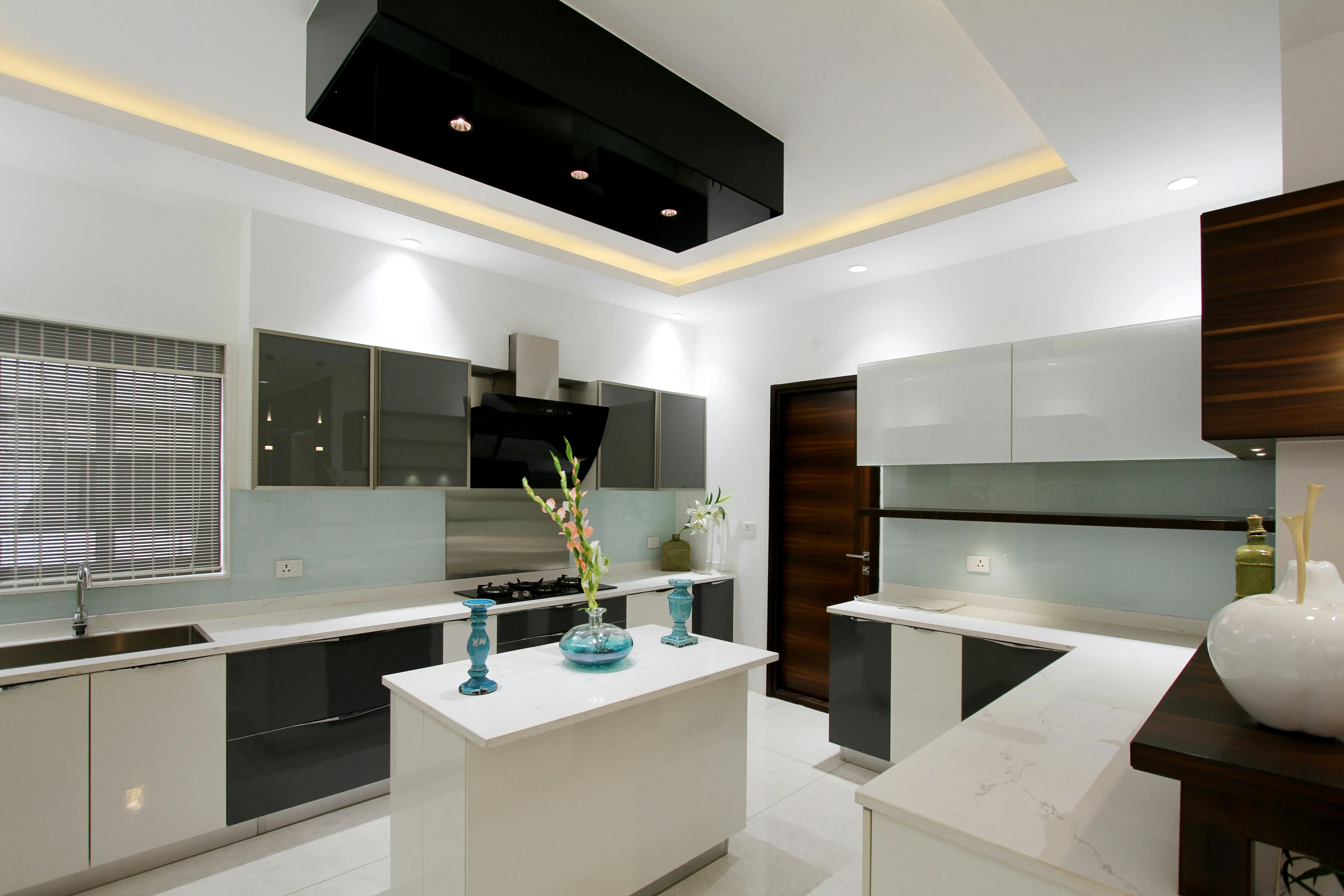
A cooking space that works well — that is organized efficiently, equipped appropriately, and designed to make the physical and creative work of cooking feel natural rather than effortful — transforms the daily experience of being in the kitchen in ways that are difficult to fully appreciate until you have experienced them. Upgrading a cooking space does not necessarily require a full renovation or a significant financial investment. Some of the most impactful improvements are surprisingly targeted — specific changes to specific elements that address the most significant friction points in the current setup. These three approaches represent the upgrades that most consistently deliver the greatest improvement in how a cooking space feels and functions.
Reimagine Your Storage and Workflow Organization
The most common source of frustration in a cooking space is not inadequate square footage — it is inadequate organization of the square footage that exists. Kitchens accumulate tools, appliances, ingredients, and equipment over years of use, and without deliberate organizational intervention, that accumulation produces a cooking environment where the things used most frequently are hardest to access and the workflow between cooking stations is consistently interrupted by the need to retrieve items from inconvenient locations. A workflow-driven reorganization — positioning the tools and ingredients used most frequently within immediate reach of the primary work surfaces, creating dedicated zones for distinct cooking activities, and clearing counter space of everything that does not earn daily use — transforms a cluttered cooking space into one that feels and functions like a professional kitchen. This upgrade costs nothing beyond time and honest assessment of what the kitchen actually needs versus what it has simply accumulated.
Upgrade the Lighting Throughout the Cooking Space
Lighting is one of the most transformative and most frequently neglected upgrade opportunities in a cooking space. Most kitchens are served by a single overhead fixture that creates uneven illumination, casts shadows on the primary work surfaces from the cook's own body, and provides insufficient light for the precise visual work that cooking requires. Layered lighting — combining overhead ambient illumination with dedicated under-cabinet task lighting at counter level and accent lighting that highlights specific design elements — solves these problems comprehensively. Under-cabinet LED lighting in particular delivers an immediate and dramatic improvement in the usability of countertop workspace, making food preparation safer, more precise, and more enjoyable. This upgrade can be accomplished without structural renovation in most kitchens and delivers an impact on the cooking experience that consistently exceeds the relatively modest investment it requires. For a kitchen remodel near me that encompasses the full range of improvements, lighting is among the elements that professional designers consistently prioritize as high-impact and high-value.
Invest in the Tools and Equipment That Match How You Actually Cook
A cooking space is ultimately defined by the quality and suitability of the tools and equipment used within it, and the difference between cooking with equipment well-matched to one's actual cooking style and volume and making do with whatever has accumulated over time is immediately apparent in both the experience and the outcome. This upgrade does not mean acquiring every available cooking tool or replacing everything at once — it means honestly assessing which tools and appliances are used most frequently and most centrally, and ensuring that those specific items are of sufficient quality to support the cooking they enable. A home cook who prepares primarily from scratch and values precise temperature control in baking benefits enormously from an oven with accurate calibration; one whose cooking is centered on quick, high-heat stovetop preparations benefits more from a burner configuration that delivers genuine high BTU output. Targeted investment in the equipment that matters most for the cooking you actually do produces a more functional, more enjoyable, and more effective cooking space than unfocused accumulation across every category.
Conclusion
Upgrading a cooking space is most rewarding when it is approached with a clear understanding of what the current space lacks and what specific changes will address those deficits most directly. Organization, lighting, and equipment quality represent the three dimensions of a cooking space that most reliably determine how well it supports the work of cooking — and improvements in any one of these areas produce immediate and lasting returns in the daily experience of the kitchen. Start with the upgrade that addresses the most significant current friction, experience the impact, and build from there.