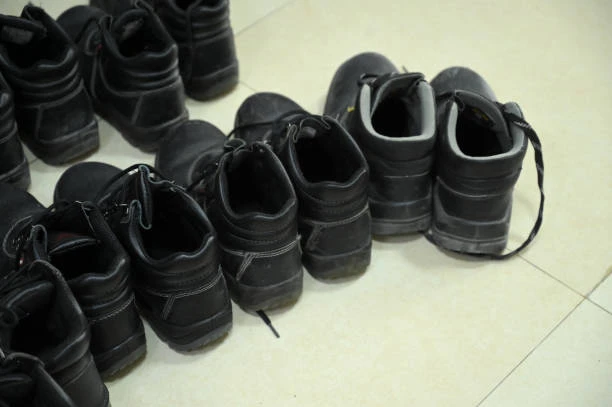
Work boots are one of the most important pieces of safety equipment you own. Whether you’re in construction, warehousing, agriculture, mining, or manufacturing, your boots protect you from slips, impacts, compression, electrical hazards, chemicals, and heavy loads. Bata work boots, known for their durability and comfort, are built to withstand tough conditions—but even the best boots don’t last forever.
Worn-out boots can compromise your safety, reduce productivity, trigger foot pain, and even increase your risk of workplace injuries. That’s why it’s essential to know when your trusted pair has reached the end of its lifecycle.
Five Clear Signs You Should Watch Out For:
1. The Tread Is Worn Down or Uneven
The sole is your first line of defense against slips, trips, and falls. Bata work boots are designed with slip-resistant outsoles for stability on wet, oily, or uneven surfaces. But after months or years of daily wear, the tread begins to wear down.
How to spot the issue:
- The pattern on the sole is smooth instead of textured
- Uneven wear, especially on the heel or outer edges
- Reduced grip on slippery floors
- Noticeable increase in slipping incidents
Why these matters
When traction decreases, your risk of slipping increases—especially in workplaces with oil, chemicals, or wet conditions. A worn-out sole also affects your posture and gait, causing knee, hip, and lower-back discomfort.
When to replace
If the tread is noticeably smooth, uneven, or no longer offering the grip it once did, it’s time to replace your boots.
2. Cracked, Torn, or Damaged Leather
Bata work boots are built with strong, high-quality leather designed to withstand harsh environments. But exposure to chemicals, mud, rain, and daily wear gradually takes a toll.
Signs of upper deterioration:
- Deep cracks in the leather
- Torn stitching or separated panels
- Soft, weakened leather that has lost structure
- Water seeping in easily
Why these matters
Damaged leather compromises the boot’s ability to protect your feet from impacts, moisture, and sharp objects. Once cracks form, they grow quickly—especially in flexible areas like the toe bend.
Cracked leather also allows moisture to enter, increasing the risk of fungal infections, blisters, and cold feet during winter shifts.
When to replace
When leather loses its structural integrity or stitching begins to separate, replacing the boots is safer and more cost-effective than trying to repair them.
3. Your Boots Are No Longer Comfortable
Comfort is more than a luxury—it’s essential for productivity and health. Bata designs work boots with shock-absorbing midsoles, supportive insoles, and ergonomic shaping. Over time, this cushioning breaks down, leading to pain and fatigue.
Common signs of declining comfort:
- Foot, heel, or arch pain after a few hours of wear
- New blisters or rubbing that never used to happen
- Boots feel stiff, heavy, or misshapen
- You find yourself loosening or tightening laces constantly to “fix” fit issues
Why this matters
Reduced comfort directly affects your performance, impacting concentration and increasing the risk of injury. Poor support can also contribute to long-term problems like plantar fasciitis, shin splints, and joint pain.
When to replace
If soreness or discomfort becomes regular—and you’ve confirmed it’s not due to socks or lacing—your boots’ internal cushioning system has likely worn out.
4. The Toe Cap or Safety Features Are Compromised
Safety features are the heart of any work boot, especially if you rely on steel, composite, or alloy toe caps. While Bata makes these components highly durable, they can still weaken over time, especially with repeated impacts.
Warning signs:
- Denting or deformation of the toe cap
- Compression marks in the midsole
- Separation between the toe cap and the leather upper
- Penetration of sharp objects through the sole
- The boots no longer meet your job’s safety standards
Why these matters
A compromised toe cap defeats the purpose of wearing safety boots. If your workplace requires AS 2210.3 safety compliance, damaged boots can put you out of compliance instantly—and put you at serious risk.
When to replace
Any visible damage to safety components means immediate replacement. Never continue using boots with compromised protective features.
5. They’re More Than 1–2 Years Old and Show Multiple Signs of Wear
Even with proper care, most work boots—including high-quality brands like Bata—have a recommended lifespan of 12–24 months depending on usage and work conditions.
Factors that shorten lifespan:
- Wet, muddy, or oily job sites
- Daily 8–12-hour shifts
- Exposure to chemicals
- Regular climbing, kneeling, or heavy lifting
If your boots are older and show a combination of wear indicators—like flattening cushioning, cracked leather, and worn tread—they’ve likely reached the end of their service life.
Why this matters
Age affects materials even if the boots still “look okay.” The midsole, adhesives, and safety features degrade internally, often before you see visible damage.
When to replace
If your boots are over two years old and you’re experiencing declining comfort or safety, upgrading is a smart and necessary move.
How to Extend the Life of Your Bata Work Boots
Before replacing your boots, it's worth ensuring you’re caring for your current pair properly. Here are a few tips:
- Clean and dry them daily to prevent leather deterioration.
- Use leather conditioners to keep the leather supple.
- Rotate between two pairs if you work long shifts.
- Store them in a cool, ventilated area, not in your car or toolbox.
- Replace insoles every 6–12 months for better comfort.
Proper maintenance can significantly extend the life of your boots—but once structural or safety issues appear, replacement is the only safe option.
Final Thoughts
Your Bata work boots work as hard as you do. They shield your feet, support your body, and keep you safe in challenging environments. Paying attention to the early signs of wear ensures you never compromise on safety or comfort.
If you notice worn-out tread, cracked leather, reduced comfort, compromised safety features, or your boots are simply past their lifespan, it’s time to invest in a new pair. Replacing your boots at the right time prevents injuries, boosts workplace performance, and keeps you moving confidently through the toughest tasks.