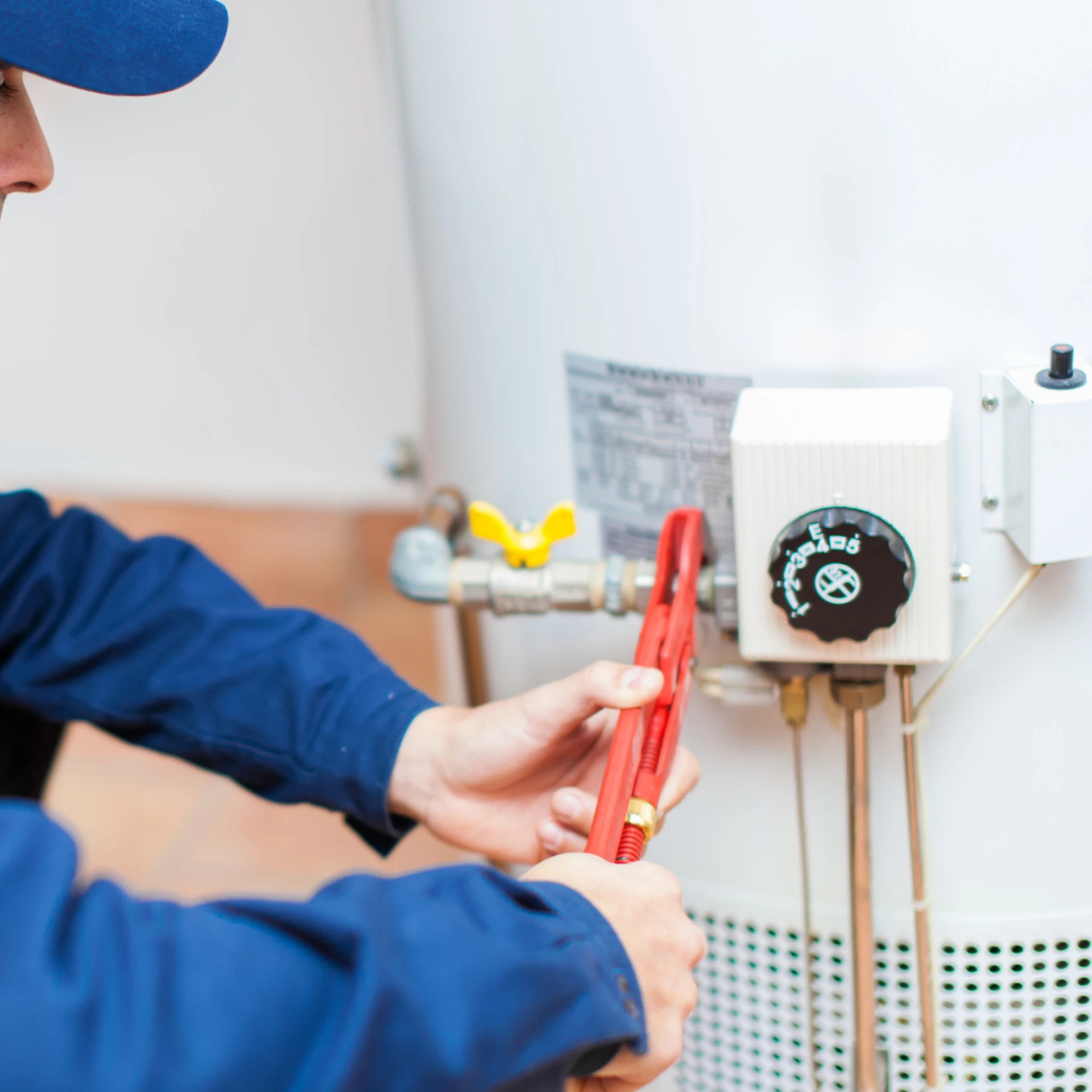
Have you ever dreaded stepping into a chilly shower because your water heater suddenly decided to go on strike? Picture this: you’re bleary-eyed in the morning, ready to wake up with a hot shower, only to be blasted with icy water. Suddenly, it hits you: tankless water heater installation near you might’ve been the smartest move you could’ve made. But how do you know if it’s time to replace your current unit before it leaves you out in the cold? Let’s walk through five key warning signs, and let’s do it before your water heater decides to throw in the towel.
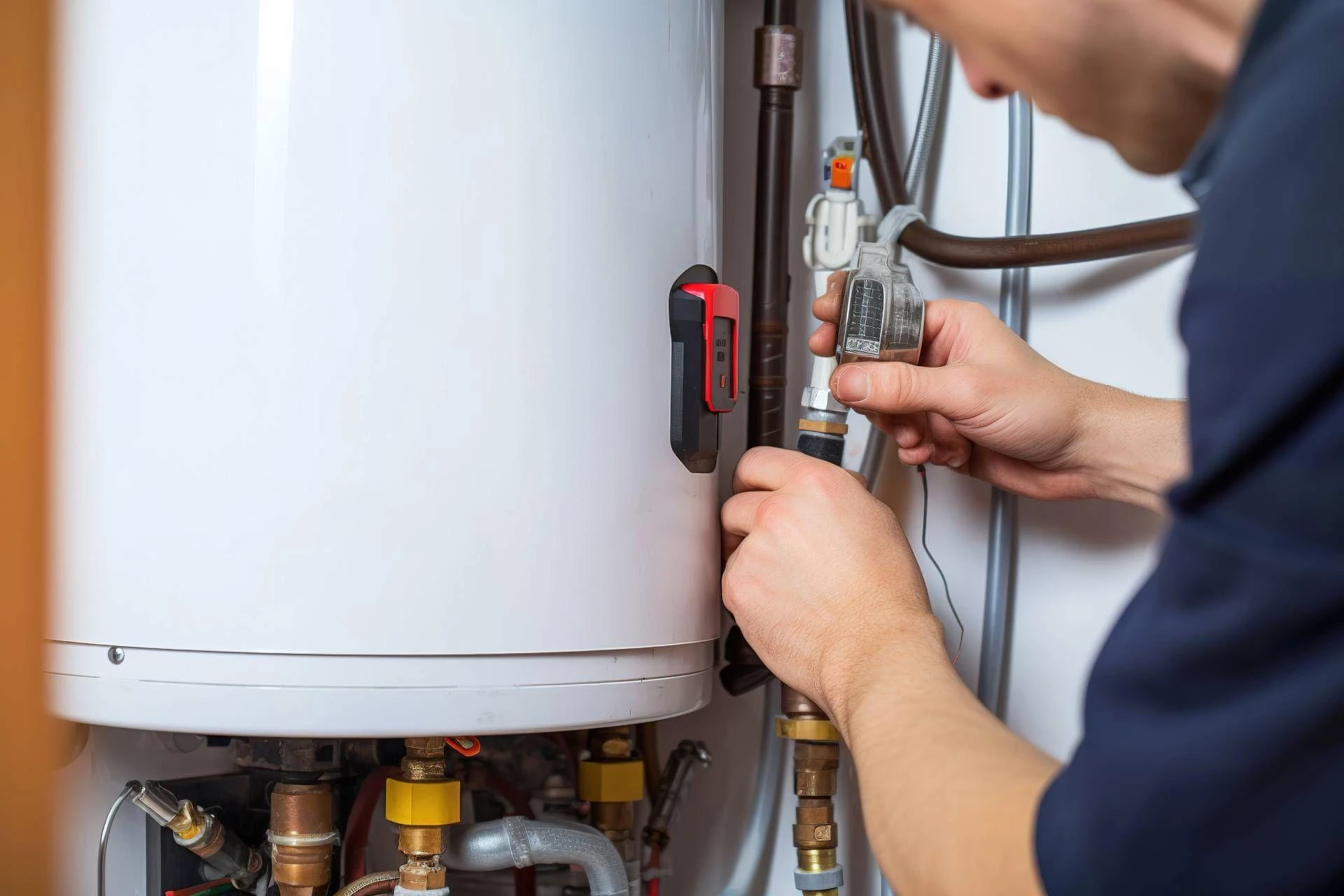
1. Inconsistent Water Temperature
Hot and cold at a whim
Have you had to dance under the shower nozzle, trying to find the sweet spot between hot and cold? That inconsistency is more than just annoying; it’s a sign that your water heater might be on its last legs. When a unit starts struggling with regulation, that's often due to worn-out heating components or sediment buildup. Especially if your water is warm for a moment and then suddenly ice-cold, it could indicate a malfunctioning thermostat or heating element.
Why this matters
- Unpredictable water temp is uncomfortable, especially for kids, pets, or someone sick.
- It’s a hint that your system might fail, leaving you without hot water.
- Replacing old tech with something like a tankless model ensures consistent, on-demand hot water.
Emotional takeaway: You deserve peace of mind, not hot-and-cold surprises in your own home.
2. Rusty or Discolored Water
When “new rusty water” isn’t a mystery flavor
Have brown, orange, or reddish tints started appearing when you run hot water? That’s rusty water, and it’s likely coming from corrosion inside your heater or pipes. It’s more than unsightly that discoloration can mean unhealthy minerals in your water, and sometimes even lead poisoning if left unchecked.
Red flags to watch
- Rusty water even after letting it run for a while.
- Metallic taste or odor.
- Small metal flakes or, worse, chunks in the water.
Why it matters
- Corrosion weakens your tank, leading to leaks later.
- You deserve clean, clear water for cooking, bathing, and washing.
- A new water heater means peace of mind and healthier water for everyone you love.
Emotional takeaway: You want to protect your family, and drinking rusty water just isn’t part of the plan.
3. Strange Noises from the Water Heater
“What’s that rattling sound?”
If your heater sounds like a popcorn machine, it’s worth paying attention. As sediment and minerals settle at the bottom of the tank, they can cause popping, crackling, or banging noises. That buildup makes your heater work harder, which means:
- It’s burning more energy, so your bills rise.
- Heating efficiency is dropping.
- Long-term damage? likely if left unaddressed.
Why you should care
- A noisy water heater is struggling, and it won’t get quieter on its own.
- Sediment can rust through your tank, leading to expensive leaks later.
- Upgrading to a newer model or going tankless boosts efficiency and quiets the house.
Emotional takeaway: Your quiet morning routine is worth protecting, without the eerie rattles in the background.
4. Frequent Repairs, It’s Found the Phone Dial
“Call for help again?”
If your water heater feels like the office that constantly calls for backup, it might be tipping into that dreaded territory: a money pit. Sure, repairs are sometimes necessary, but when the frequency surpasses sense, the cost can exceed the price of a new unit. Think about it:
- You’re paying labor costs, parts, and downtime.
- And that’s for a system that still might fail again soon.
Why it matters
- There's a point where repair = waste.
- Fuel, electricity, and repair bills add up; new systems mean better energy use and lower costs.
- A new water heater saves you from that emotionally draining cycle of service calls.
Emotional takeaway: You shouldn’t dread every time the water heater acts up, because you shouldn’t have to.
5. Your System Is “Old Enough to Vote”
How old is too old?
Water heaters typically last 8–12 years for traditional tanks; tankless models often last longer, up to 20 years. If your tank is nearing or past its life expectancy, it’s not a question of “if,” but “when” something goes wrong.
- Check the serial number on the unit to determine its age.
- Rust on the outside? Not normal—even if it’s surface-level—it’s a sign.
Why it matters
- Old units are far more likely to fail dramatically—think floods, no hot water, or even flooding emergencies.
- A newer system, especially a tankless one, is a more reliable investment.
- Replacing sooner rather than later means fewer risks—and a bigger sense of relief.
Emotional takeaway: With age comes unpredictable breakdowns. And you deserve reliability—every day.
Bonus: Benefits of Upgrading to a New System
If you’ve ticked one or more of these boxes, you're probably ready for an upgrade. And if you haven’t looked into tankless water heater installation near you, here are a few extra reasons why it’s a smart move:
💡 Endless hot water, on demand. You’ll never run out mid-shower or during loads of laundry again.
💡 Energy efficiency. Tankless heaters only run when you need them—no wasted energy keeping gallons of water warm all day.
💡 Space-saving design. These units mount on walls, freeing up floor space for your tools, cleaning supplies, or laundry baskets.
💡 Longer lifespan. Tankless systems typically last longer, saving money and trouble in the long run.
💡 Lower utility bills. Over time, your energy savings counteract the initial investment in installation.
When to Call a Pro—and What to Expect
You’ve got the signs. You’ve got the feels. Now what?
- Schedule an inspection. A licensed plumber from Saving Grace Plumbing can evaluate your heater, run diagnostics, and confirm if replacement makes sense.
- Get a quote. They’ll recommend the right style—conventional, high-efficiency, or tankless—and provide an upfront quote for parts and labor.
- Plan the installation. Most homeowners can get a same-day or next-day appointment. We handle permits, installation, and safety checks—you take warm showers again.
- Enjoy peace of mind. With a modern heater, you’ll sleep better knowing that runny cold-shower mornings are finally a thing of the past.
Your Checklist Before It Breaks
Use this quick, emotional checklist to give yourself strength and clarity before your water heater truly breaks down:
Checklist It Matters. Inconsistent temps, Sudden cold showers are just not okay. Rusty/discolored waterYou love healthy water for you and your family. Loud popping or bangingYou deserve a quiet home environment. Frequent service callsYou’re tired of the stress (and bills). The heater is 10+ years oldYou want reliability without guessing
If you checked any of the boxes, it’s time to act.
Final Word: Don’t Wait for an Emergency
Nothing wakes you up faster than an emergency, and a broken water heater certainly has that power. But you don’t have to wait for a crisis. Spot the signs. Trust your instincts. And most importantly, prioritize the people in your home.
Imagine feeling that warm, comforting stream of water in the morning, without a second thought. No fear. No interruptions. Just the peace of knowing your system is reliable, efficient, and taken care of.
So, before you face the shock of icy water, you’ve got the strength, knowledge, and support to take action. Call your local professionals today. Confirm they offer tankless water heater installation in Atlanta, GA. Schedule your inspection. And say goodbye to cold mornings for good.
Here’s to warm, confident mornings ahead.