A generator set (genset) is one of the most important assets for facilities that depend on continuous power. Whether supporting hospitals, manufacturing plants, commercial buildings, or data centers, a genset provides reliable backup electricity during utility outages and helps maintain business continuity. However, even the most advanced generator cannot deliver dependable performance without regular maintenance.
Preventive maintenance not only minimizes the risk of unexpected failures but also extends equipment lifespan, improves fuel efficiency, and reduces long-term operating costs. A well-maintained genset is always prepared to respond when needed, ensuring that critical operations continue without interruption. Below are seven best practices that help maximize genset reliability and peak performance.
1. Follow a Preventive Maintenance Schedule
The foundation of genset reliability is a structured preventive maintenance program. Waiting until a problem occurs often leads to costly repairs, unplanned downtime, and potential damage to critical components.
Maintenance schedules should follow both manufacturer recommendations and actual operating hours. Routine inspections should include checking engine oil, coolant levels, fuel systems, batteries, belts, hoses, filters, and electrical connections. Replacing worn components before they fail helps prevent larger mechanical issues.
For facilities where uptime is critical, such as data centers or healthcare environments, preventive maintenance should be treated as an essential operational requirement rather than an optional expense.
2. Perform Regular Load Testing
A genset that sits idle for extended periods may not perform properly during an emergency. Regular load testing verifies that the generator can handle its intended electrical demand under real operating conditions.
Load testing identifies issues such as insufficient engine performance, voltage instability, overheating, and cooling system deficiencies before they become critical failures. It also helps eliminate wet stacking, a condition caused by prolonged operation at low loads that results in unburned fuel accumulating inside the exhaust system.
Testing should be conducted according to facility requirements and documented carefully to identify performance trends over time. Consistent testing ensures confidence that the genset MBG will operate as expected when utility power is unavailable, providing reliable backup power for critical operations while minimizing the risk of unexpected failures during emergencies.
3. Monitor Fuel Quality and Storage Conditions
Fuel quality has a direct impact on genset performance. Diesel fuel naturally degrades over time, especially when stored for extended periods. Moisture, microbial growth, oxidation, and sediment contamination can clog filters, damage injectors, and reduce engine efficiency.
Regular fuel inspections should include testing for water contamination and microbial activity. Fuel polishing services may be necessary for long-term storage tanks to maintain cleanliness and reliability.
Facilities should also ensure fuel tanks remain properly sealed, ventilated, and protected from environmental contamination. Maintaining clean, high-quality fuel significantly improves starting reliability and overall engine performance during emergency operation.
4. Inspect and Maintain the Battery System
Battery failure remains one of the most common causes of genset startup problems. Even if the engine and electrical systems are in excellent condition, a weak or damaged battery can prevent the generator from starting when needed most.
Routine battery maintenance should include checking voltage, electrolyte levels where applicable, terminal cleanliness, cable connections, and charging system performance. Battery chargers should also be inspected regularly to ensure they maintain the proper charge.
Many organizations proactively replace batteries before they reach the end of their expected service life. This relatively small investment greatly reduces the risk of startup failure during power outages.
5. Keep Cooling and Lubrication Systems in Excellent Condition
Heat is one of the primary enemies of engine performance. The cooling system must effectively regulate operating temperatures to prevent overheating and excessive wear.
Routine maintenance includes inspecting coolant levels, radiator cleanliness, water pumps, hoses, thermostats, and coolant quality. Old coolant gradually loses its protective properties and should be replaced according to maintenance recommendations.
The lubrication system is equally important. Engine oil reduces friction, minimizes wear, and removes contaminants from internal engine components. Regular oil changes, filter replacement, and oil analysis help identify potential engine problems before serious damage occurs.
Proper cooling and lubrication significantly increase engine reliability while extending the lifespan of expensive mechanical components.
6. Utilize Remote Monitoring and Predictive Maintenance
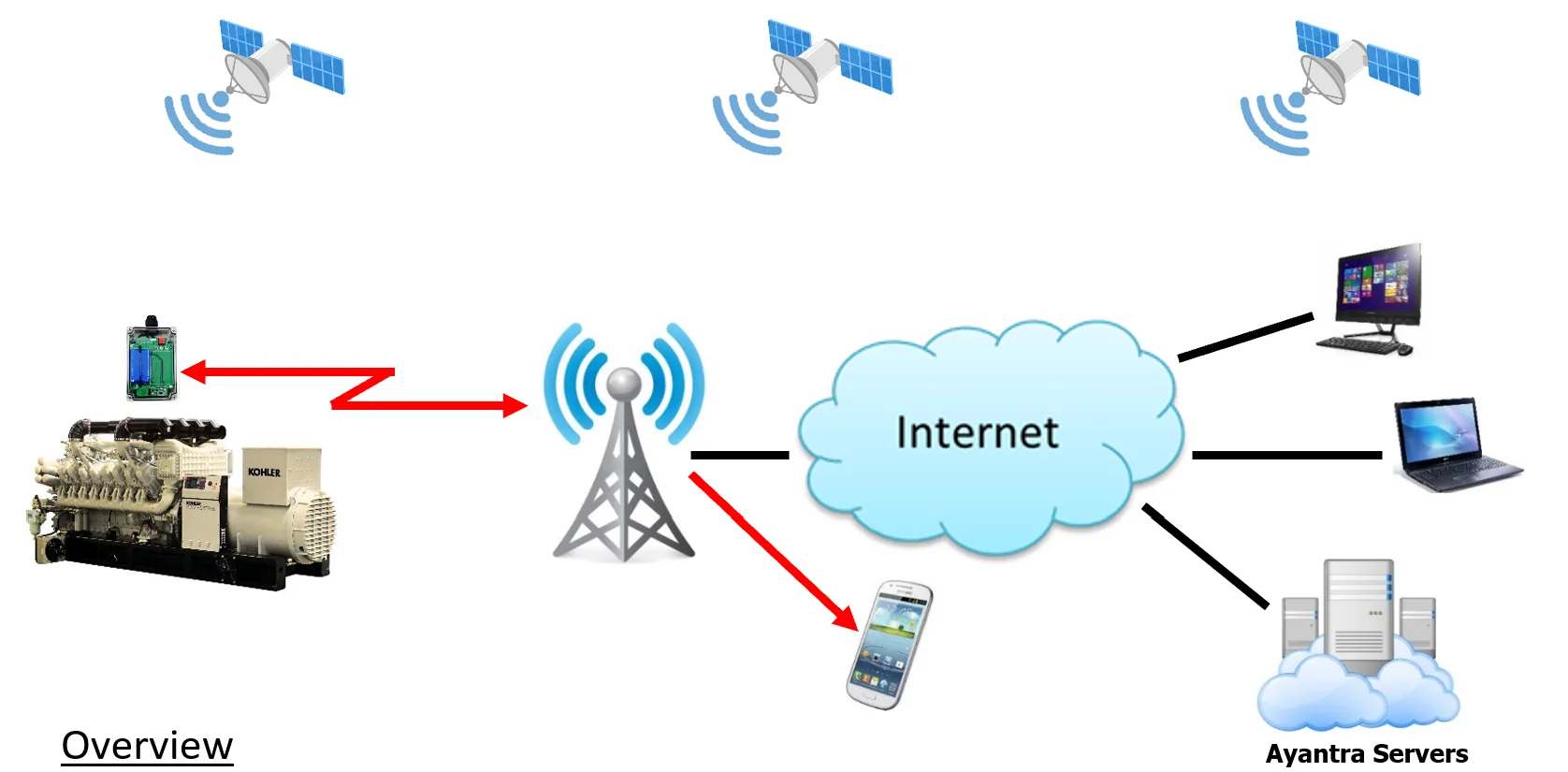
Modern gensets increasingly incorporate digital monitoring systems that provide real-time operational data. These technologies allow maintenance teams to monitor engine health continuously rather than relying solely on scheduled inspections.
Remote monitoring systems can track engine temperature, oil pressure, fuel levels, battery condition, runtime hours, electrical output, and fault alarms. Automated alerts enable technicians to respond quickly before small issues develop into major failures.
Predictive maintenance uses this operational data to identify developing trends and estimate when components may require servicing. This proactive approach reduces unnecessary maintenance while minimizing unexpected downtime and repair costs.
For facilities operating multiple generators or supporting mission-critical infrastructure, remote monitoring provides valuable visibility into overall equipment health and operational readiness.
7. Maintain Detailed Service Records and Train Personnel
Accurate documentation plays a vital role in effective genset maintenance. Every inspection, repair, oil change, filter replacement, load test, and system upgrade should be recorded in a comprehensive maintenance log.
Historical records help identify recurring issues, evaluate equipment performance, support warranty claims, and improve maintenance planning. They also simplify regulatory compliance and equipment audits.
Equally important is ensuring maintenance personnel receive proper training. Technicians should understand manufacturer guidelines, safety procedures, troubleshooting techniques, and emergency operating protocols. Well-trained personnel can recognize early warning signs that may otherwise go unnoticed.
Combining detailed documentation with skilled maintenance teams creates a culture of continuous improvement and significantly enhances long-term genset reliability.
Conclusion
Reliable backup power begins with reliable maintenance. A genset is only as dependable as the care it receives throughout its operational life. By implementing preventive maintenance schedules, performing regular load testing, maintaining fuel quality, inspecting battery systems, servicing cooling and lubrication components, adopting predictive monitoring technologies, and keeping detailed maintenance records, organizations can maximize both reliability and performance.
These best practices not only reduce the likelihood of unexpected failures but also improve fuel efficiency, lower operating costs, and extend equipment lifespan. In environments where power interruptions are unacceptable, including industrial facilities, hospitals, telecommunications sites, and data centers, proactive genset maintenance is an investment in operational resilience. A well-maintained genset ensures that when the power grid fails, your backup system is fully prepared to keep critical operations running smoothly and without interruption.