Introduction
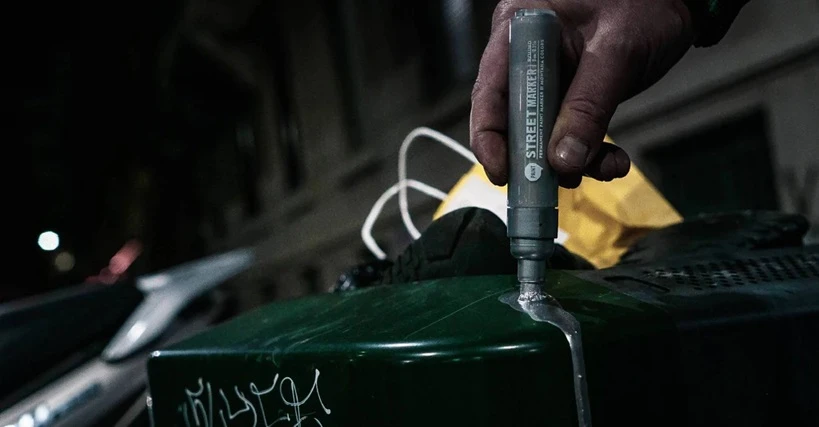
Abils & Ninny create excitement with their graffiti art. There is intention behind every mural or tag, and marker ink in particular. No ink is created the same — different inks yield different results, and will behave differently on the type of surfaces. Understanding the differences between these two types of markers is important for artists, hobbyists, or anyone interested in creative expression to make the right choice for their next project.
Alcohol-Based Ink
One unique feature of alcohol-based ink used in graffiti markers is that it dries and cures quickly. It is preferred for surfaces such as glass, metal, and plastic. The ink is water- and smear-resistant, making it reliable for outdoor use. Although it can fade over time under strong sunlight, many artists still prefer alcohol-based graffiti markers when they want smooth application and better permanence on different surfaces.
Water-Based Ink
Water-based ink attracts those who are looking for quick clean up and lower odor. These markers work best on non-absorbent materials such as paper, canvas, and untreated wood. Ink dries slower than alcohol alternatives, commonly resulting in softer color vibrancy. But if the art touches water, it will smear or disappear. Useful indoors or designs that aren't permanent.
Acrylic Ink
Acrylic ink is highly pigmented and extremely versatile. These markers work wonderfully on the wall, on canvas, on plastic, and also on fabric. When acrylic ink is dry, it is waterproof and is quite resistant to light scrubbing. It is popular with artists for its layering capability without muddying the colors. All this makes it perfect for murals that need to keep their vibrancy and hold their own against the elements.
Oil-Based Ink
Graffiti work is extremely durable with oil-based ink. This ink works well on rough, porous, or greasy surfaces like concrete, asphalt, and brick. It holds up to rain and direct sun better than most of the competition. It makes for a challenging cleanup, but the permanence is what lures many artists drawn to working outdoors. Due to their harsh odor, oil markers are not ideal for indoor use.
Permanent Dye-Based Ink
This is a deep, transparent color made with ink from permanent dyes. These perform well on smooth mediums such as glass and glossy plastic. They tend to fade quickly but are very popular for temporary installations and artwork in windows, as they dry quickly. However, dye-based inks bleed when printed on thin paper, so thicker surfaces are best. You can see through them, which lets you layer them and mix effects.
Chalk-Based Ink
Chalk ink is for those who want non-permanent markings. They're the type of markers that glide effortlessly on chalkboards, windows, and other non-porous surfaces. It is suitable for design changes as the ink is wiped off by a wet napkin. The colours stand out, but the minute a drizzle or moisture hits, the work disappears in a flash. For events or places where information changes regularly, artists use chalk-based markers.
Pigment-Based Ink
Pigment-based ink provides rich, opaque coverage. These paints can be used on paper, cardboard, canvas, and a lot of painted surfaces. The pigment particles remain on the surface, ensuring intense colors even on dark backgrounds. Once dried, the ink stands up to fading and water, which enables the ink to be used for both indoor and outdoor art. If you are a sporadic user, you might end up with clogged fine tips due to its thick consistency.
UV-Activated Ink
Further enhancing graffiti with a unique effect is UV-activated ink; This ink is invisible under regular light, but very bright when illuminated by ultraviolet lamps. It is used by artists on smooth surfaces (like glass, vinyl, or painted walls) where the result is a hidden message. It's under-exposed to light, so it's used much in clubs, on occasions, and in temporary installations. If you are looking for a pleasant surprise, then how about an ink that is activated by UV lighting – a UV-activated ink comes with creativity.
Conclusion
Keep in mind that the type of graffiti marker fade ink can vary depending on what surface you want to use the pen on and what kind of look you are trying to achieve. Alcohol, water, acrylic, oil, dye, chalk, pigment, and UV-activated inks have their own relative qualities. Every artist has to be able to make decisions based on their own work, which must be guided by things like permanence, visibility, and how easy it is to remove when talking about tattoo ink. Creative people can guide their artwork to appear bright and last forever by understanding how these inks behave.