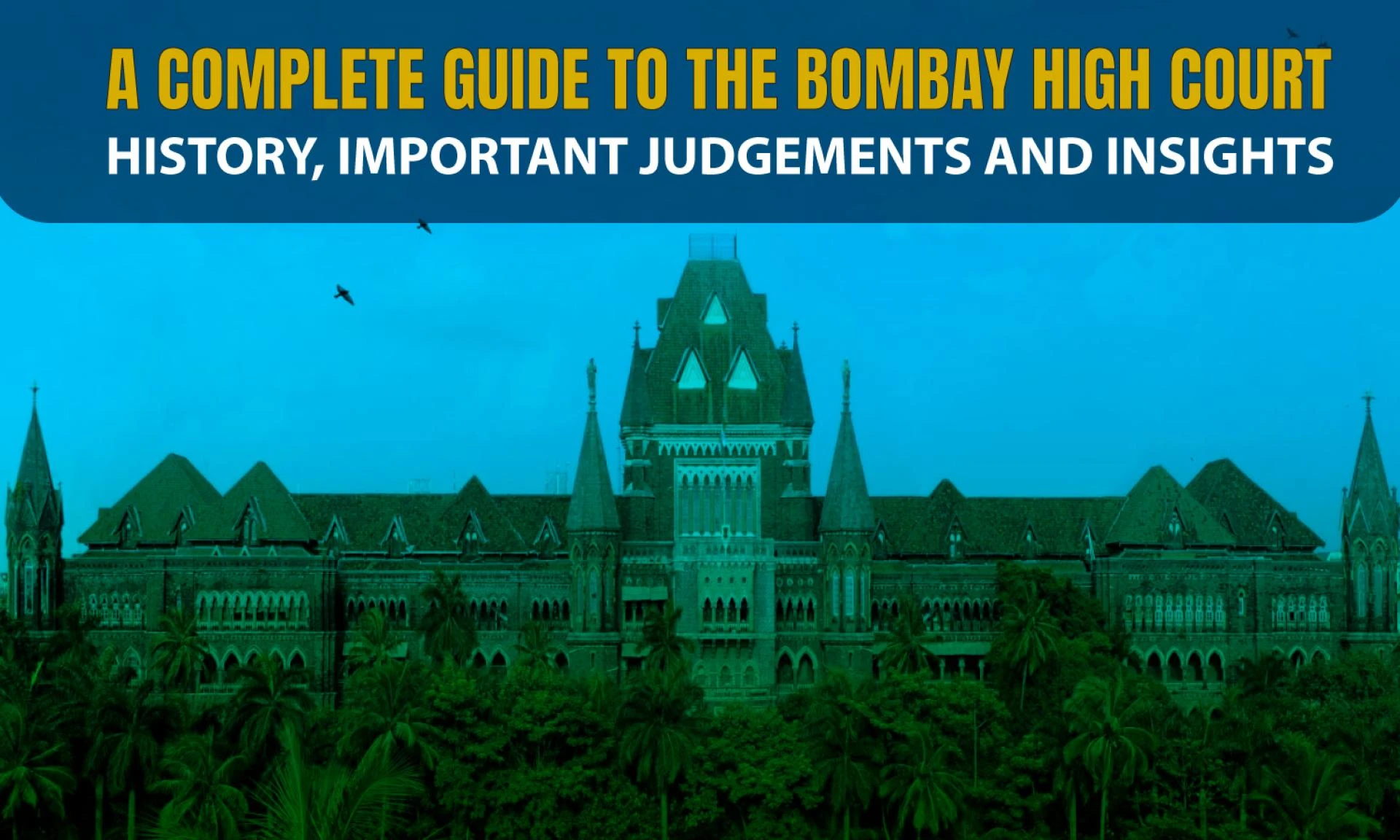
Introduction of Bombay High Court
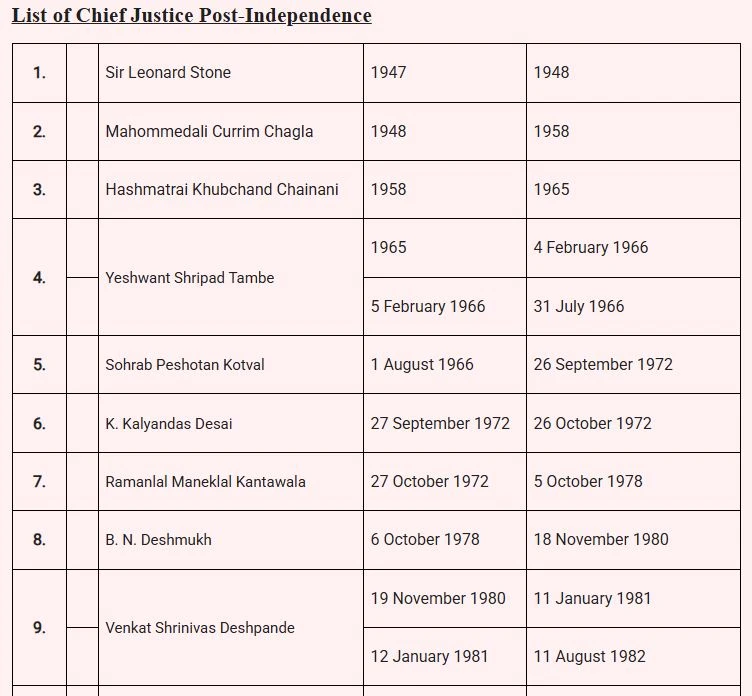
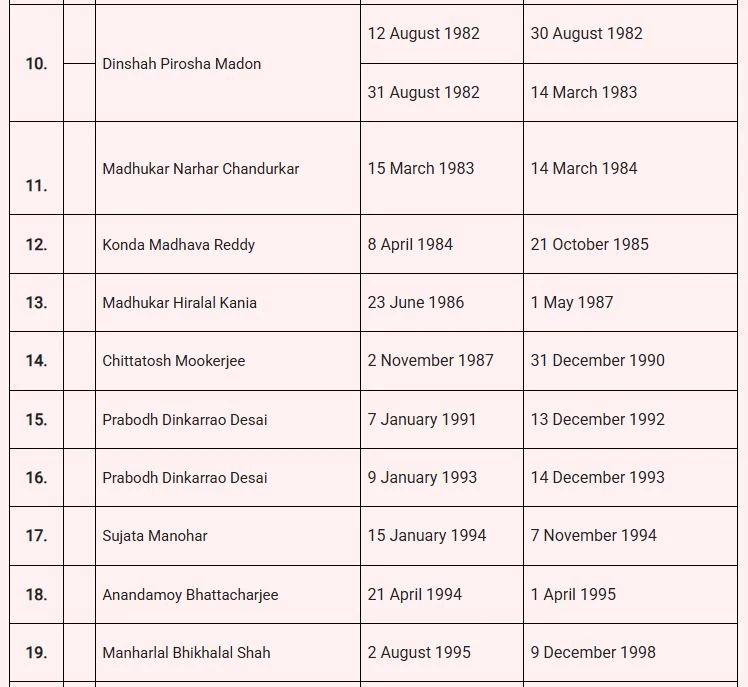
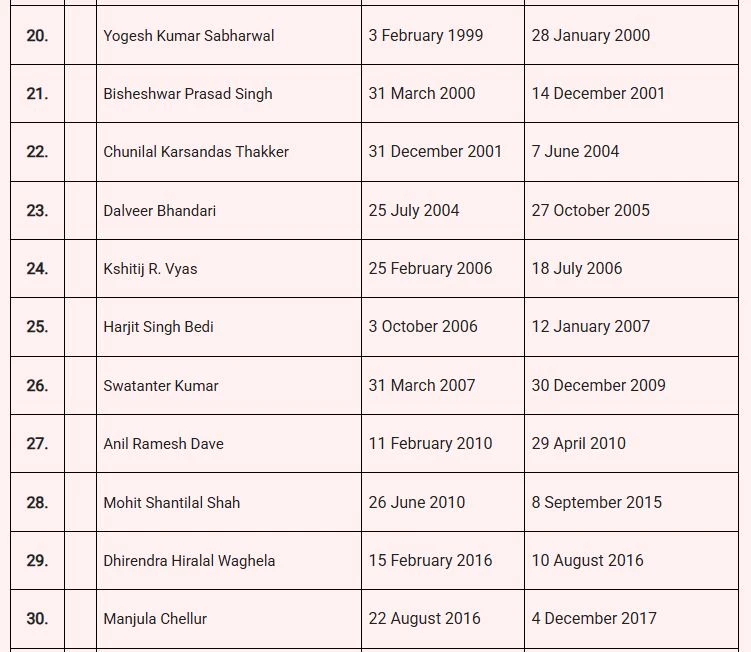
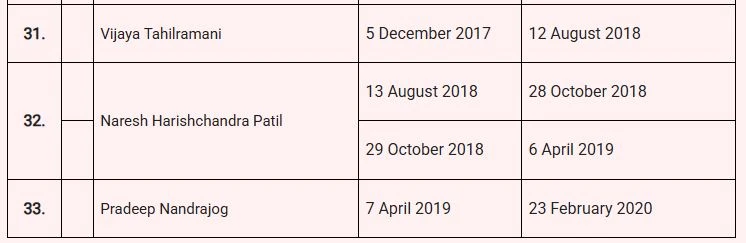
The Bombay High Court is one of the oldest High Courts in India, established on August 14, 1862. It is the highest judicial authority in the state of Maharashtra and Goa, and it has jurisdiction over the Union Territories of Dadra and Nagar Haveli and Daman and Diu.
1. Key Facts About Bombay High Court:
• Location: Mumbai, Maharashtra
• Bench Jurisdiction: Also has benches in Nagpur, Aurangabad, and Panaji (Goa)
• Chief Justice: Appointed by the President of India
• Language of Proceedings: English
• Authority: Exercises jurisdiction over civil, criminal, and constitutional matters in Maharashtra and Goa.
2. Functions & Powers:
1. Appellate Authority: Hears appeals from lower courts and tribunals.
2. Writ Jurisdiction: Can issue writs (such as habeas corpus, mandamus, certiorari, prohibition, and quo warranto) under Article 226 of the Indian Constitution.
3. Judicial Review: Ensures that laws and executive actions comply with the Constitution.
4. Supervisory Powers: Has authority over subordinate courts in its jurisdiction.
5. Public Interest Litigation (PIL): Accepts cases concerning public welfare and constitutional rights.
Read More: Latest News and Judgements From Calcutta High Court
3. History of Bombay High Court
Bombay High Court was established in 1862 in Bombay(present-day Mumbai) under the Indian High Courts Act of 1861.Some of the landmark judgment of Bombay High court include various domains including fundamental rights, corporate law, and criminal justice. On August 14, 1862, the Supreme Court of Bombay and the Sadar Adalat (Court of Appeal) were superseded by the Bombay High Court. In British India, it was one of the three Chartered High Courts that were founded. The Bombay High Court remained the highest court in Maharashtra and Goa following India's independence in 1947.
The Bombay High Court expanded its jurisdiction to include Goa in 1961 following the state's independence from Portuguese domination. The court has rendered significant rulings in fields like corporate law, constitutional law, and fundamental rights. 6. Today At the moment, the Bombay High Court has benches in Panaji (Goa), Nagpur, and Aurangabad. With a significant impact on the evolution of Indian law, it continues to be one of the country's busiest and most distinguished High Courts.
4. Landmark Judgments of the Bombay High Court
The Bombay High Court has delivered several historic judgments that have influenced Indian law and judicial precedents. Below are some of the most significant landmark judgments:
1. Bal Gangadhar Tilak Sedition Case (1897 & 1908)
• Bal Gangadhar Tilak, a freedom fighter, was charged with sedition under Section 124A of the IPC for his writings in the newspaper Kesari.
• He was convicted twice, first in 1897 and then in 1908, and sentenced to six years of imprisonment.
• This case set an important precedent for sedition laws in India.
• It highlighted the colonial misuse of laws to suppress freedom of speech, influencing later interpretations of Article 19(1)(a) of the Constitution.
2. Khushboo v. Kanniammal (2010) - Freedom of Expression
• Actress Khushboo made remarks on pre-marital sex, which led to several criminal complaints filed against her.
• The Bombay High Court ruled in favor of her right to free speech, dismissing the cases.
• Strengthened freedom of expression under Article 19(1)(a).
• Highlighted that moral policing cannot curtail individual rights.
3. Godrej & Boyce Manufacturing Co. Ltd. v. The State of Maharashtra (2019) - Environmental Protection
• The Maharashtra government acquired land from Godrej & Boyce for the Mumbai Metro project, affecting mangroves.
• The High Court ruled that mangroves are vital for the environment and cannot be destroyed.
• Established the "public trust doctrine", where natural resources belong to future generations.
• Strengthened environmental protection laws.
Read More: Latest News and Judgements From Allahabad High Court
4. Arnab Goswami v. State of Maharashtra (2020) - Personal Liberty & Bail
• Journalist Arnab Goswami was arrested in an abetment to suicide case.
• The Bombay High Court ruled that bail should not be denied as a form of punishment.
• Strengthened personal liberty and bail laws.
• The judgment reinforced the Supreme Court's view that bail should be the rule, and jail should be the exception.
5. Navtej Singh Johar v. Union of India (2018) - LGBTQ+ Rights (Related Case)
• While the Supreme Court decriminalized Section 377 IPC (LGBTQ+ rights), the Bombay High Court had previously ruled in favor of transgender rights.
• It held that discrimination against LGBTQ+ individuals violates Article 14 (Equality).
• Helped shape LGBTQ+ rights and anti-discrimination laws in India.
6. Ratan Tata v. Nira Radia & Others (2017) - Right to Privacy
• Ratan Tata filed a case against unauthorized public release of his private conversations (Radia tapes).
• The court upheld his right to privacy.
• Strengthened privacy laws in India, later influencing the Supreme Court's decision in K.S. Puttaswamy v. Union of India (2017).
The Bombay High Court has played a major role in shaping constitutional law, fundamental rights, environmental protection, and personal liberty in India. Its judgments have often influenced Supreme Court rulings and national legal policies.