
“Heavy rain and ageing plumbing can affect household water quality. Here’s why more Australians are reassessing everyday water habits at home”.
Across Australia, extreme weather has changed the way many households think about water inside the home. Floods, heavy rainfall, prolonged dry spells and ageing urban infrastructure have all pushed water quality into everyday conversation. While municipal treatment remains highly regulated, many Australians are becoming more aware that the final condition of water at the tap can still be influenced by local factors such as pipe corrosion, sediment movement and seasonal environmental changes.
Recent public attention has also been shaped by wider scientific interest in microplastics, trace metals and chemical residues. Researchers continue to examine how contaminants move through natural catchments, treatment facilities and domestic plumbing. Importantly, this does not mean household water is suddenly unsafe. What it does mean is that more people now understand water quality as something dynamic rather than fixed.
One major issue following intense rainfall is turbidity. When runoff enters rivers and reservoirs, suspended particles can increase. Treatment plants are designed to manage this, but heavy weather can still alter taste, odour and clarity by the time supply reaches homes. In older suburbs, internal plumbing may also play a role. Mineral scale, rust and sediment that have accumulated over years can be disturbed by pressure fluctuations, affecting the water people use every day for drinking, cooking and washing produce.
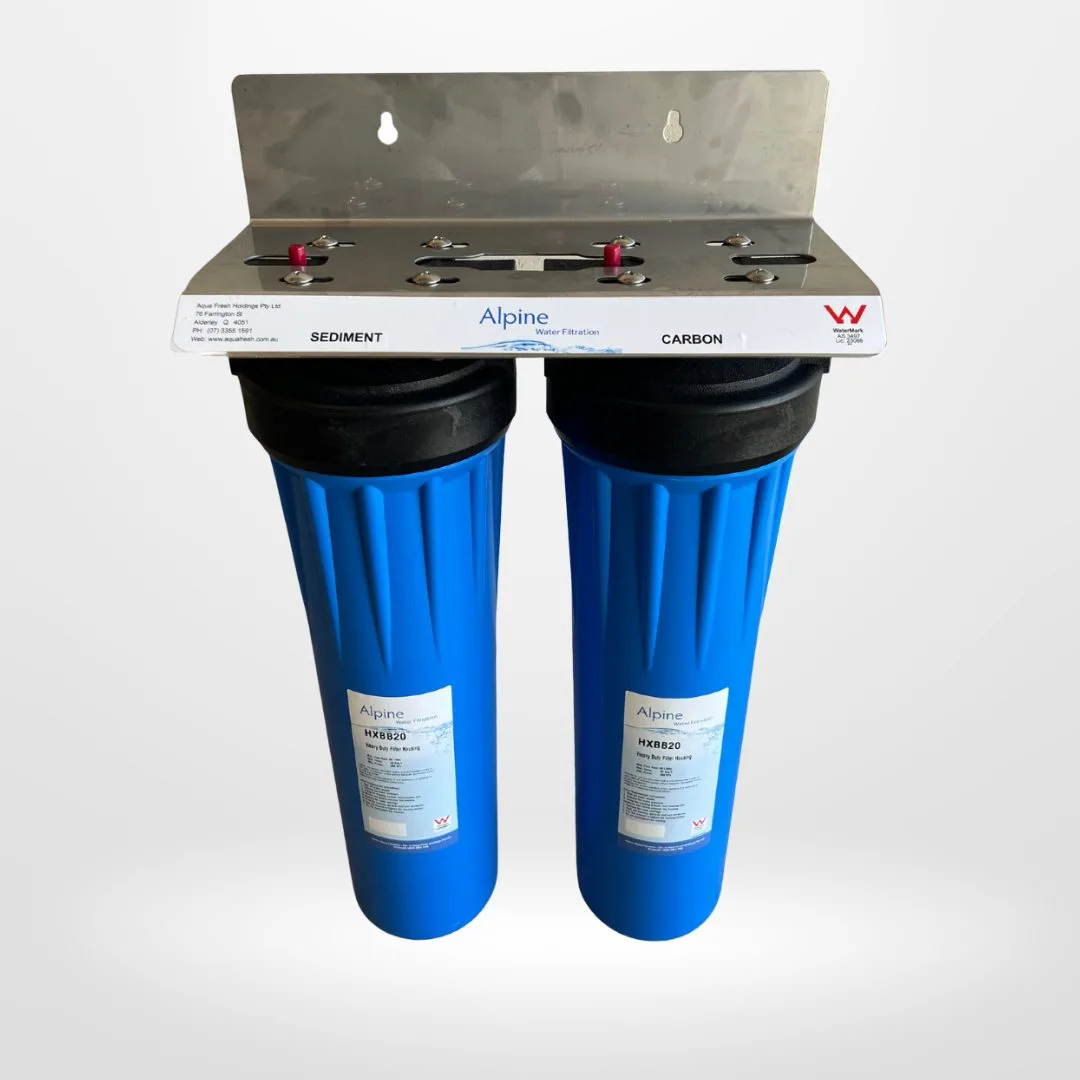
This growing awareness explains why many households have started looking more carefully at water filtration systems. Importantly, informed choices are increasingly based on local conditions rather than general assumptions. A household using tank water in a regional area faces different considerations from an apartment resident in a major city. In some cases, the priority may be reducing sediment. In others, it may be improving taste caused by chlorine or dissolved minerals. The most useful starting point is understanding the specific characteristics of supply rather than treating all water concerns as identical.
Seasonal weather has also changed how Australians think about showers. After storms or maintenance work, people often notice temporary shifts in smell, hardness or residue on skin and hair. This has contributed to interest in products often described online as sprite showers filters, though experts generally note that shower-related water concerns should still be understood in terms of measurable factors such as chlorine levels, mineral hardness and particulate matter. Sensory changes can feel significant, but the most reliable conclusions come from water testing and local supply reporting rather than assumptions.
Another overlooked part of the discussion is maintenance. A filtration device is not a set-and-forget solution. Media gradually loses effectiveness, and trapped particles can affect flow over time. For that reason, water filter replacement matters far more than many people realise. Even a well-designed unit can underperform if it remains in use beyond the recommended service interval. In practical terms, maintenance schedules should reflect household consumption, source water quality and seasonal environmental conditions.
Australian homes are also increasingly shaped by longevity rather than constant renovation. That makes the condition of fittings, housings and seals especially relevant. Many people focus only on cartridges, yet the broader assembly matters just as much. Understanding water filter spare parts can help householders identify wear before it becomes a larger issue. A small crack in a housing, a flattened seal or a weakened connector can affect performance long before the problem becomes obvious.
One of the strongest recent shifts in public understanding is the move away from fear-driven decisions. Water quality conversations are becoming more evidence-based. Australians are reading annual utility reports, learning more about local catchments and paying closer attention to plumbing age within their own homes. This is a more useful approach than reacting only when taste changes suddenly or when headlines create short-lived concern.
There is also growing recognition that no single answer applies everywhere. A coastal household may notice different mineral characteristics from a home supplied by inland reservoirs. Rural properties dependent on rainwater tanks face different maintenance priorities again. Household water decisions make the most sense when they begin with context: local weather patterns, infrastructure age, and actual patterns of daily use.
In that sense, the current conversation is less about alarm and more about literacy. Australians are becoming more knowledgeable about what affects water after it leaves the treatment plant. That shift matters because better understanding often leads to better habits—practical, measured and grounded in evidence rather than assumption.
Author Bio:
This article was written by John, a researcher focused on Australian household sustainability, translating technical studies into practical guidance on water filtration systems and everyday water decisions.