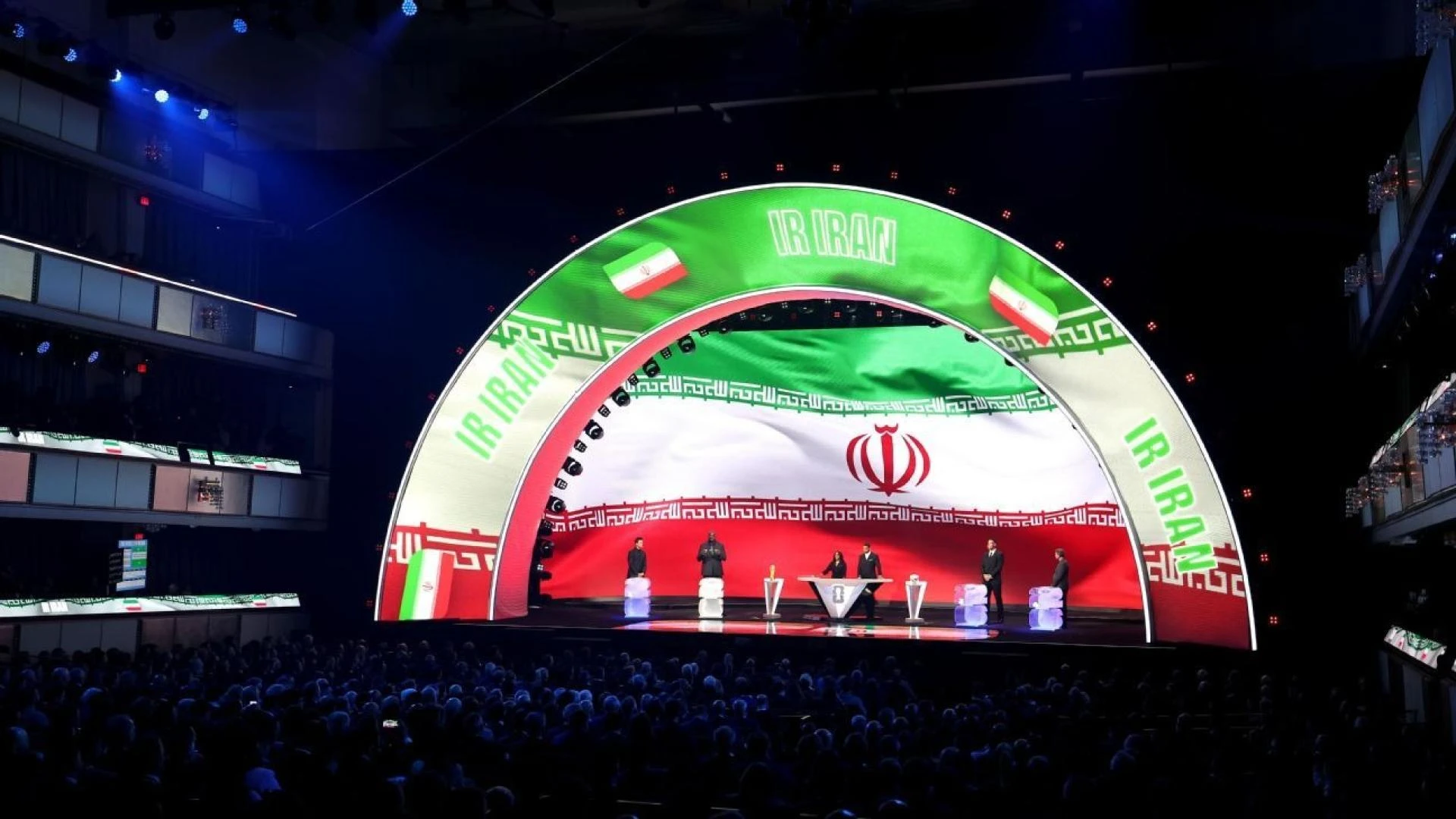
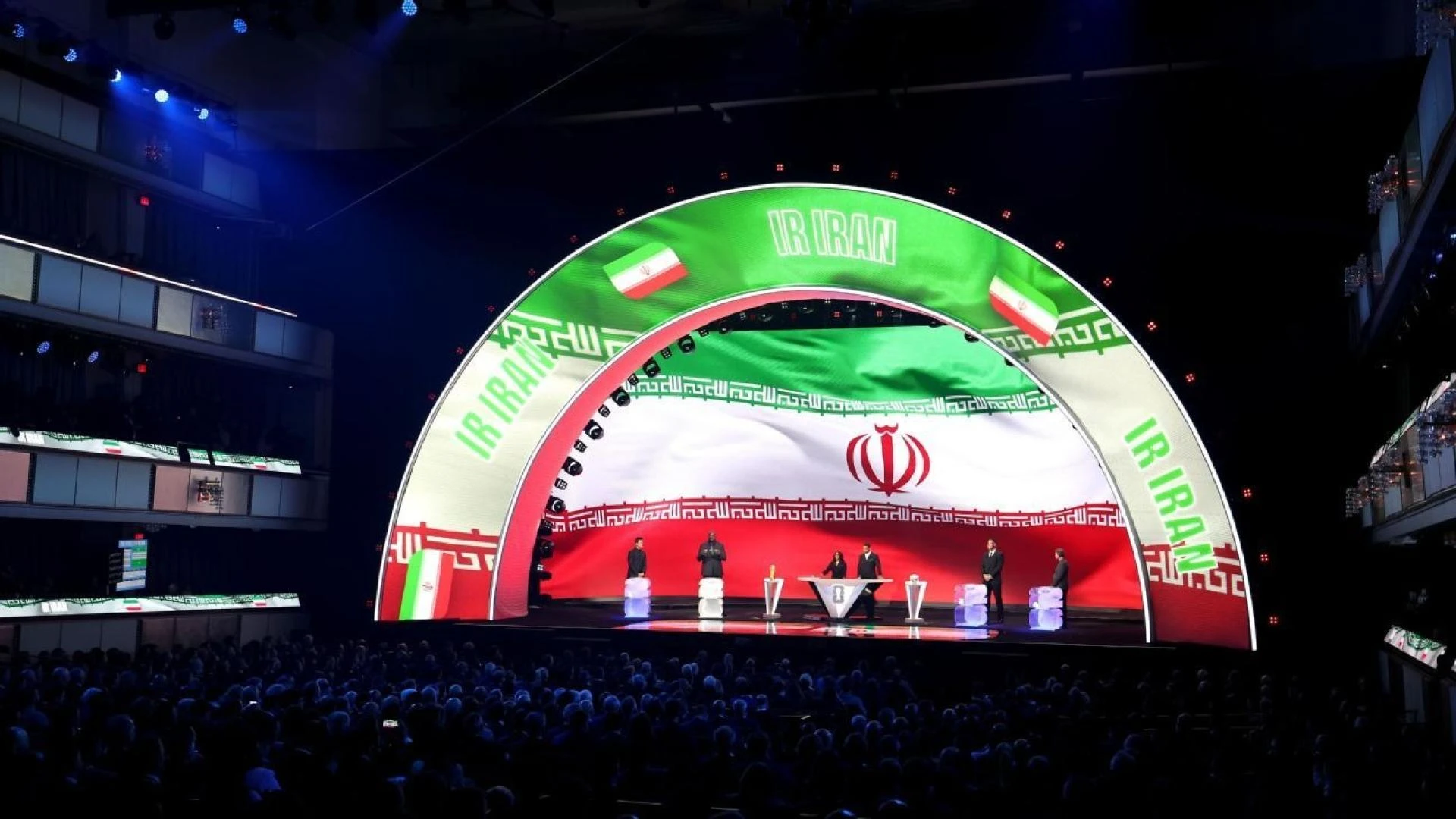
The upcoming 2026 FIFA World Cup will introduce the most significant structural change in the history of the tournament. For decades, the global competition organized by FIFA followed a relatively consistent format, but the next edition expands the scale and complexity of the event. Because of this shift, many fans, analysts, and football enthusiasts are searching for a clear 2026 World Cup format explained in simple terms.
The expanded structure introduces more teams, more matches, and a longer competitive pathway to the final. Understanding how the new system works helps fans better follow the tournament and evaluate how teams may progress from the opening matches to the championship game. With modern data analysis and predictive modeling tools, the structure also creates new opportunities to analyze probabilities and tournament scenarios.
Overview of the Expanded World Cup
The first key aspect of the 2026 World Cup format explained is the expansion of the tournament from 32 teams to 48 teams. This increase allows more nations from different continents to participate, making the competition more globally representative. The change reflects the growing popularity of football and the desire to include emerging football nations on the world stage.
With 48 national teams involved, the tournament becomes significantly larger than previous editions. This expansion increases the diversity of playing styles, tactical approaches, and regional representation. Fans will likely see new teams appearing in the competition for the first time, which adds an element of unpredictability and excitement.
From a structural standpoint, the larger number of participants requires a revised group stage format and an adjusted knockout bracket. These changes ensure that the tournament remains competitive while accommodating the expanded lineup.
Group Stage Structure and Team Allocation
One of the most important parts of the 2026 World Cup format explained is the organization of the group stage. The 48 teams will be divided into 12 groups, with each group containing four teams. This structure ensures that every team has multiple opportunities to compete and prove their strength during the early stage of the tournament.
Within each group, teams will play against the other three teams in a round-robin format. Points will be awarded using the standard system used in international football competitions. This stage determines which teams continue their journey toward the knockout rounds.
The design of the groups is intended to balance competitiveness and fairness. Teams from different regions will be distributed across groups through a seeding process that considers rankings and performance history. This approach prevents overly strong or overly weak group combinations while maintaining competitive balance.
Understanding how teams are allocated into groups is a fundamental part of the 2026 World Cup format explained, because early matchups can influence a team’s overall path through the tournament.
Match Count and Tournament Timeline
Another major feature of the 2026 World Cup format explained is the increased number of matches. With more teams participating, the total number of games played throughout the tournament will be significantly higher than in previous editions.
Each group will produce multiple matches as teams compete for advancement. After the group stage concludes, the knockout rounds begin, adding additional layers of competition. The expanded structure ensures that the tournament lasts longer and offers more opportunities for fans to watch high-level international football.
The tournament timeline will also be carefully structured to allow teams adequate recovery time between matches. Managing player fatigue becomes an important factor when there are more games involved. Coaches and team staff must plan rotations, training schedules, and recovery strategies effectively.
For spectators and analysts, the extended schedule provides a longer window to observe trends, evaluate performances, and track the progression of teams through each stage of the competition.
How the Top Teams Advance
Understanding how teams advance is central to any 2026 World Cup format explained discussion. After the group stage matches are completed, the top teams from each group will qualify for the knockout rounds.
The two highest-ranking teams from every group automatically advance. In addition, several of the best third-place teams across all groups will also move forward. This system ensures that strong teams are not eliminated too early simply because they were placed in a particularly competitive group.
Ranking within the groups is determined using standard tie-breaking criteria such as goal difference, goals scored, and head-to-head results. These rules ensure that performance across the entire group stage is considered when determining advancement.
This advancement structure adds strategic depth to the competition. Teams must balance attacking play with defensive discipline because goal difference and scoring statistics may ultimately determine whether they progress.
Knockout Stage Path to the Final
After the group stage concludes, the tournament transitions into the knockout rounds. In this stage, teams compete in single-elimination matches, meaning that a loss immediately ends a team’s participation in the tournament.
The knockout phase typically begins with a round that includes all teams that advanced from the group stage. From there, the competition progresses through several rounds, including the round of sixteen, quarterfinals, semifinals, and finally the championship match.
Each match becomes increasingly significant as the tournament progresses. Teams must perform consistently under pressure because even a small mistake can determine the outcome of a match.
The knockout structure also creates dramatic moments that often define World Cup history. Underdog victories, late goals, and tactical masterclasses frequently occur during these decisive rounds.
Strategic Considerations for Teams
The expanded structure highlighted in the 2026 World Cup format explained introduces new strategic considerations for national teams. With more matches and a longer pathway to the final, squad management becomes a crucial factor.
Coaches must carefully balance their lineups to maintain player fitness throughout the tournament. Rotating players during the group stage may help preserve key athletes for the knockout rounds. At the same time, teams cannot afford to underestimate early opponents because every match contributes to their overall standing.
Tactical flexibility is also essential. Different opponents require different approaches, and teams must adapt their strategies quickly during the competition. Data analysis, performance tracking, and scouting reports all play a role in preparing for each matchup.
In a tournament of this scale, small tactical decisions can have significant long-term consequences.
Data Modeling and Tournament Simulation
Modern analytics tools are increasingly important in understanding the 2026 World Cup format explained. Platforms that analyze football data use advanced algorithms to simulate potential match outcomes and tournament scenarios.
These systems evaluate historical results, team statistics, player performance data, and tactical trends. By processing large datasets, predictive models can estimate probabilities for match results and identify which teams have stronger chances of advancing.
Tournament simulation models are particularly useful for analyzing how the expanded format may influence competitive dynamics. For example, analysts can test thousands of possible tournament outcomes to identify patterns in team progression.
This type of data-driven insight helps fans and analysts explore the tournament in a deeper and more analytical way. It also highlights how technology and data science are becoming an integral part of modern sports analysis.
Conclusion
This guide to the 2026 World Cup format explained clarifies how the expanded tournament will function from the group stage to the final match. The new structure increases the number of participating teams, introduces a revised group system, and expands the knockout pathway to determine the champion.
The format creates more opportunities for global representation while maintaining competitive intensity. With additional matches and strategic complexity, teams must carefully manage their squads and adapt to different opponents throughout the competition.
At the same time, data-focused analysis provides powerful tools for exploring tournament possibilities. By combining statistical modeling, historical trends, and performance metrics, analysts can better understand how teams may progress through each stage.
As the tournament approaches, the 2026 World Cup format explained will continue to be an important topic for fans seeking to understand how the world’s biggest football event will unfold in its new expanded form.