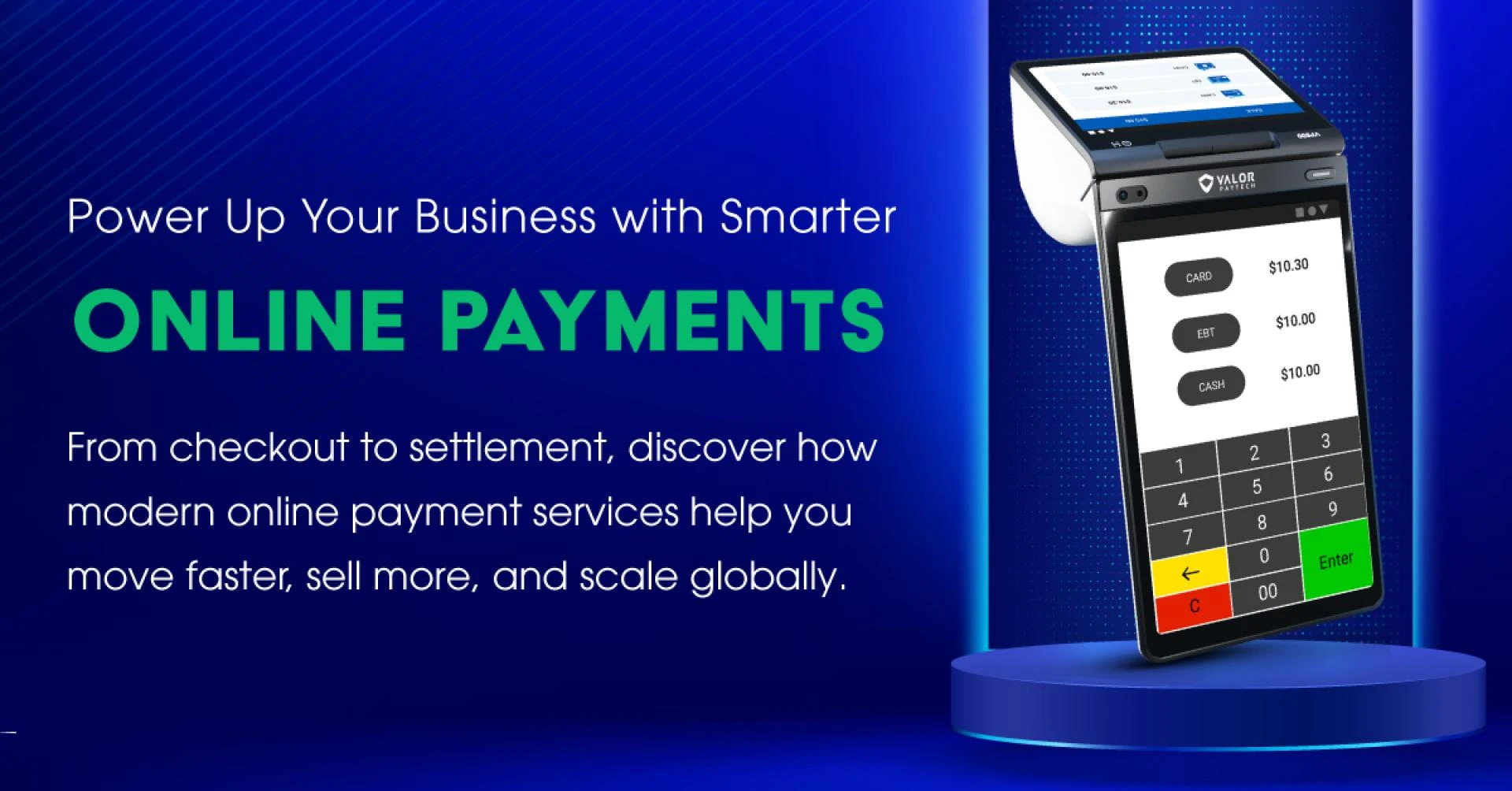
In 2026, accepting online payments is no longer optional for businesses—it is a basic customer expectation. Whether customers are shopping on a website, paying through an invoice, responding to an SMS link, or checking out via social media, they expect fast, secure, and flexible digital payment options. Businesses that fail to offer modern online payment methods risk losing conversions, delaying cash flow, and falling behind competitors who make it easy to pay anytime, anywhere.
To start accepting online payments, a business needs a reliable payment processor or gateway, a merchant account, and a secure payment interface such as a checkout page, hosted payment link, invoice with a “Pay Now” button, or virtual terminal. Website security, including SSL encryption and PCI DSS compliance, is essential to protect customer data and meet regulatory requirements. Once these elements are in place, businesses can begin accepting payments quickly without complex technical setup.
Credit and debit cards remain the most widely used online payment method, but modern consumers also expect support for digital wallets like Apple Pay and Google Pay, ACH bank transfers, and buy-now-pay-later options. Offering multiple payment methods helps businesses increase conversion rates, reduce cart abandonment, and serve both retail and B2B customers more effectively. Leading payment platforms now provide mobile-friendly, hosted checkout experiences, advanced fraud protection, and tokenization to ensure secure and seamless transactions.