
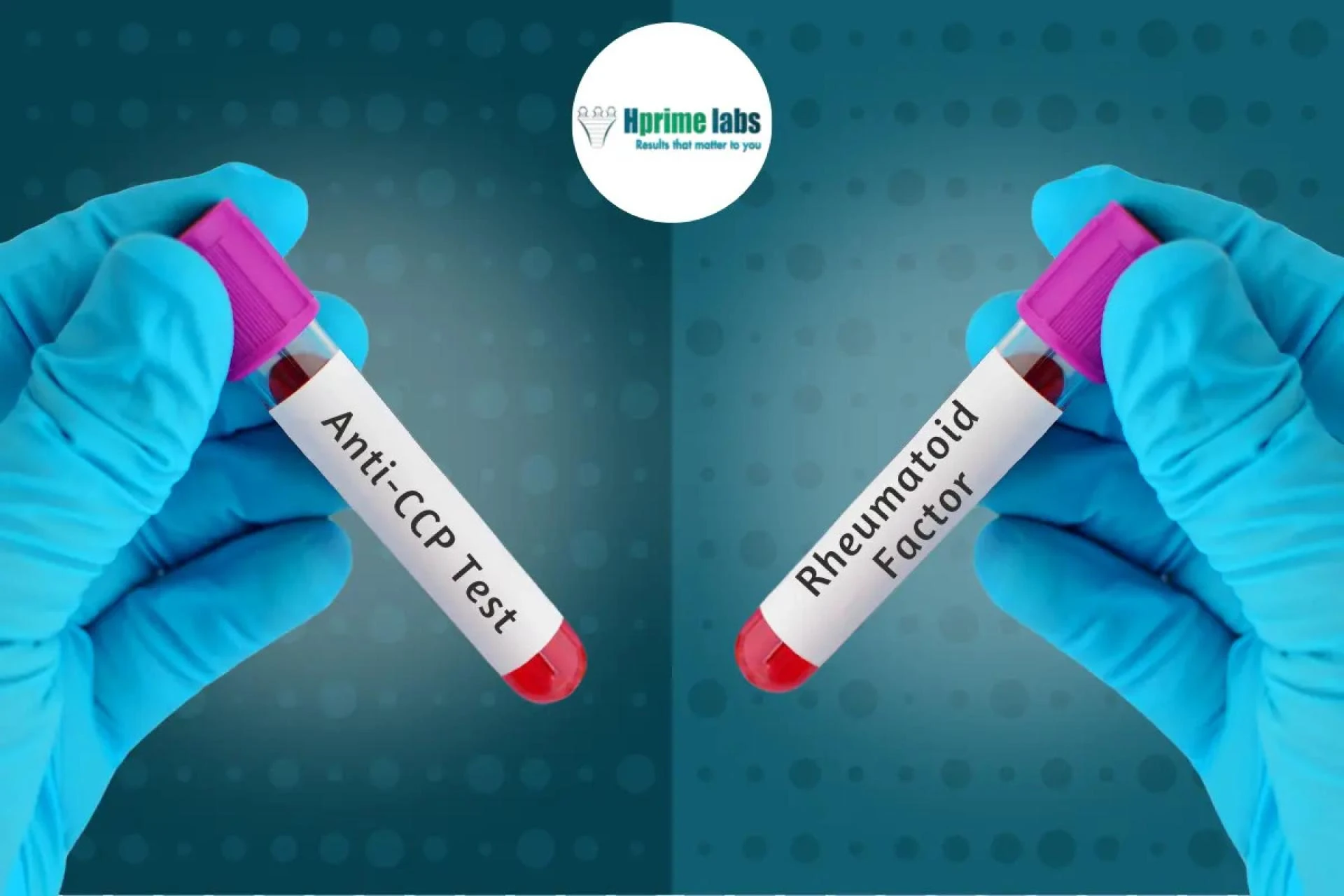
Rheumatoid arthritis (RA) is an autoimmune disease that causes chronic inflammation in joints, leading to pain, stiffness, and long-term damage if not diagnosed early. Two important blood tests used in RA diagnosis are the Anti-CCP (anti-cyclic citrullinated peptide) antibody test and the Rheumatoid Factor (RF) test. But what’s the difference, and which one should you rely on? Let’s find out.
What Is the Rheumatoid Factor (RF) Test?
- Detects autoantibodies that attack healthy tissues.
- Commonly used as a first-line test for suspected rheumatoid arthritis.
- Limitations: May show positive in other conditions like lupus, infections, or even in some healthy individuals.
What Is the Anti-CCP Test?
- Detects antibodies against cyclic citrullinated peptides, which are highly specific to RA.
- More accurate in predicting early RA, even before major symptoms develop.
- A positive Anti-CCP test almost always indicates a higher risk of developing persistent RA.
Anti-CCP vs Rheumatoid Factor: Key Differences
FeatureRheumatoid Factor (RF)Anti-CCP AntibodySpecificityLower (can be positive in other diseases)Very high (specific for RA)Early DiagnosisLess sensitive in early stagesDetects RA earlierUsefulnessGood screening toolStrong predictor of RA severity
Why Doctors Recommend Both
Doctors often order both RF and Anti-CCP tests together. While RF helps in initial screening, Anti-CCP adds accuracy and helps confirm the diagnosis. Along with ESR and CRP (inflammatory markers), these tests provide a complete picture.
The Role of Diagnostic Centers
At Hprime Labs, we provide advanced rheumatoid arthritis testing, including both Anti-CCP and RF tests, with NABL-certified accuracy. Patients from Ghaziabad, Bulandshahr, Meerut, Delhi (Mayur Vihar, Laxmi Nagar, Dwarka), Shikarpur, and Dehradun can access reliable testing and timely reports for early treatment.
Final Thoughts
Early detection of rheumatoid arthritis can make a huge difference in treatment outcomes. While the Rheumatoid Factor test is useful, the Anti-CCP test is more specific and helps detect RA at an early stage. Together, they form a powerful diagnostic tool for doctors and patients alike.