
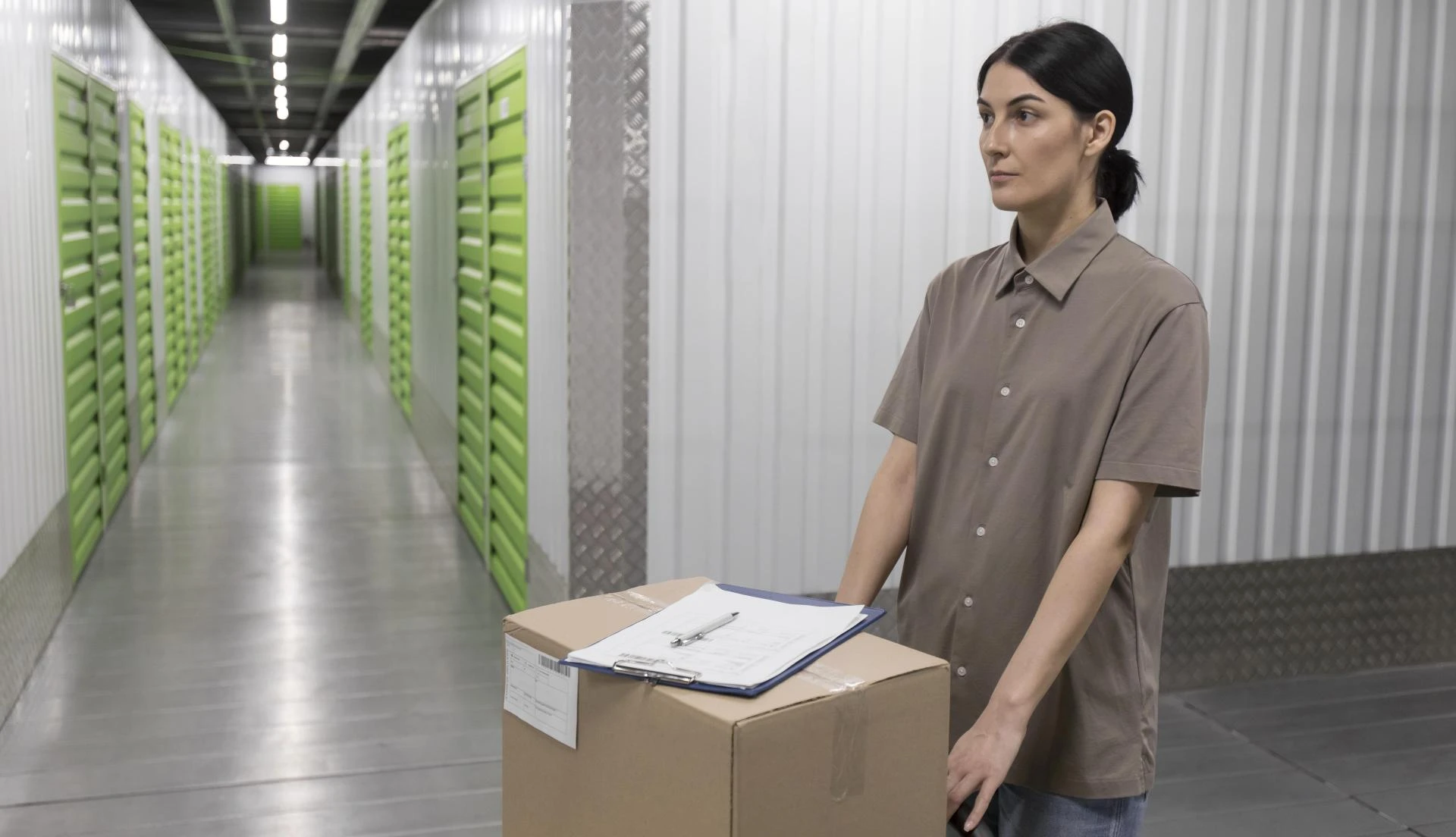
Every year, millions of dollars’ worth of items go missing from storage units. Even in facilities with cameras, gated access, and staff monitoring, theft happens more often than you might think. You might feel safe leaving your belongings in a unit, but criminals are resourceful. Electronics, tools, furniture, and even sentimental items can be stolen in minutes. If you store valuables, understanding theft coverage is not just smart but necessary.
Why Theft Happens
Thieves look for easy targets. Units that seem unattended or poorly secured are prime spots. Even with alarms and high-quality locks, opportunists may find ways to gain access. Theft isn’t limited to expensive items; everyday goods like bicycles, holiday decorations, or business inventory are also at risk. Sometimes, a small opening in security, like an unlocked door or a broken gate, can be all a thief needs. Thinking ahead about theft as a possibility helps you prepare and reduce risk.
The Gap in Standard Protection
Security measures help, but they don’t replace insurance. That’s why self-storage insurance coverage is crucial. It ensures that if items are stolen, you won’t bear the full cost. Without coverage, replacing lost goods comes entirely out of pocket. For example, replacing a stolen electronics collection or important business inventory could run into thousands of dollars. Insurance bridges that gap and provides financial peace of mind.
Choosing the Right Theft Coverage
Selecting the right coverage can make a big difference. Review policy limits and conditions carefully. Some plans only cover certain types of items or have maximum payout limits. Make sure your plan adequately protects the value of your belongings. Ask questions about exclusions or conditions, and check if temporary storage items are covered. Knowing what your policy includes prevents unpleasant surprises when filing a claim.
How Claims Work
Thieves target easy units. Even secure facilities can be vulnerable. Everyday items are often stolen.
- Insurance Bridges the Gap: Self-storage insurance coverage helps replace stolen items without out-of-pocket costs.
- Choose the Right Policy: Check limits, conditions, and exclusions to match your stored items’ value.
- Document for Claims: Take photos, keep receipts, and list lost items to speed up reimbursement.
- Extra Safety Steps: Use sturdy locks, secure valuables in the back, and keep an updated inventory.
- Facility Security Helps: Gates, cameras, and staff reduce risk, but insurance adds financial protection.
- Know Your Coverage: Understand what is included, like theft, vandalism, or natural hazards.
- Invest in Peace of Mind: Small premiums protect thousands in stored belongings.
Extra Safety Measures
While insurance protects financially, preventive steps reduce risk. Use sturdy, tamper-resistant locks and avoid leaving spare keys in visible places. Place valuable items towards the back of the unit. Keep a detailed inventory and label containers. For extra security, use motion sensors or alarms inside the unit. Combining insurance with these measures strengthens protection.
Storage Facility Responsibilities
Facilities also play a role in security. Gated access, video surveillance, and on-site staff help deter theft. Some facilities offer regular patrols or electronic logging of entry and exit. Even so, security features alone aren’t enough. That’s why storage facility insurance coverage is also recommended. It complements physical security and ensures coverage for unexpected theft.
Understanding Coverage Options
Theft coverage can vary widely between providers. Some policies include vandalism or attempted theft. Others combine coverage for natural hazards such as fire or water damage. Knowing the scope of your coverage ensures that all high-risk items are protected. Read your policy carefully and clarify doubts with your provider to avoid surprises during a claim.
Choosing a policy underwritten by a reliable carrier like The Hartford can also ensure smoother claims processing and dependable support when you need it most.
Cost Considerations
Many renters hesitate because they think insurance is expensive. In reality, theft coverage is often affordable compared to the potential loss. Costs may depend on the value of stored items, the unit location, and other risk factors. Spending a small amount monthly or annually can protect thousands of dollars’ worth of belongings. It’s an investment in security and peace of mind.
Protecting Valuables
For highly valuable or irreplaceable items, take additional precautions. Use tamper-proof locks, sturdy boxes, and secure packing methods. Avoid storing rare collectibles or sensitive documents without added protection. Insurance works best when combined with practical steps that reduce the likelihood of theft.
In A Nutshell
Theft can occur even in well-secured storage units. Self-storage insurance coverage offers financial protection and peace of mind. Document your belongings, take preventive safety steps, and understand your policy thoroughly. By combining physical precautions with the right insurance, you can store your items confidently, knowing they’re protected against theft and unexpected losses. Smart planning today helps you avoid stress and costly replacements tomorrow.