We often admire auditoriums for their architecture — the sweeping balconies, elegant lighting, and grand stage presence. But rarely do we pause to ask: how well does it actually sound?
The word auditorium itself comes from audire — “to hear.” And yet, in many modern spaces, hearing becomes secondary to aesthetics. It’s a quiet irony: we design spaces meant for sound, but prioritize how they look over how they perform.
A truly great auditorium is not just seen — it is experienced. And that experience depends on far more than walls and ceilings. It relies on a delicate balance of acoustics, technology, and human perception.
When sound is poorly managed, the consequences are immediate. Speech becomes unclear. Music loses depth. Reflections from hard surfaces blur what should be crisp and direct. In some cases, listeners in the back rows struggle to stay engaged, while those in front feel overwhelmed.
But when an auditorium is engineered with sound in mind, something remarkable happens.
Every seat feels equal.
Every word is understood.
Every note carries emotion.
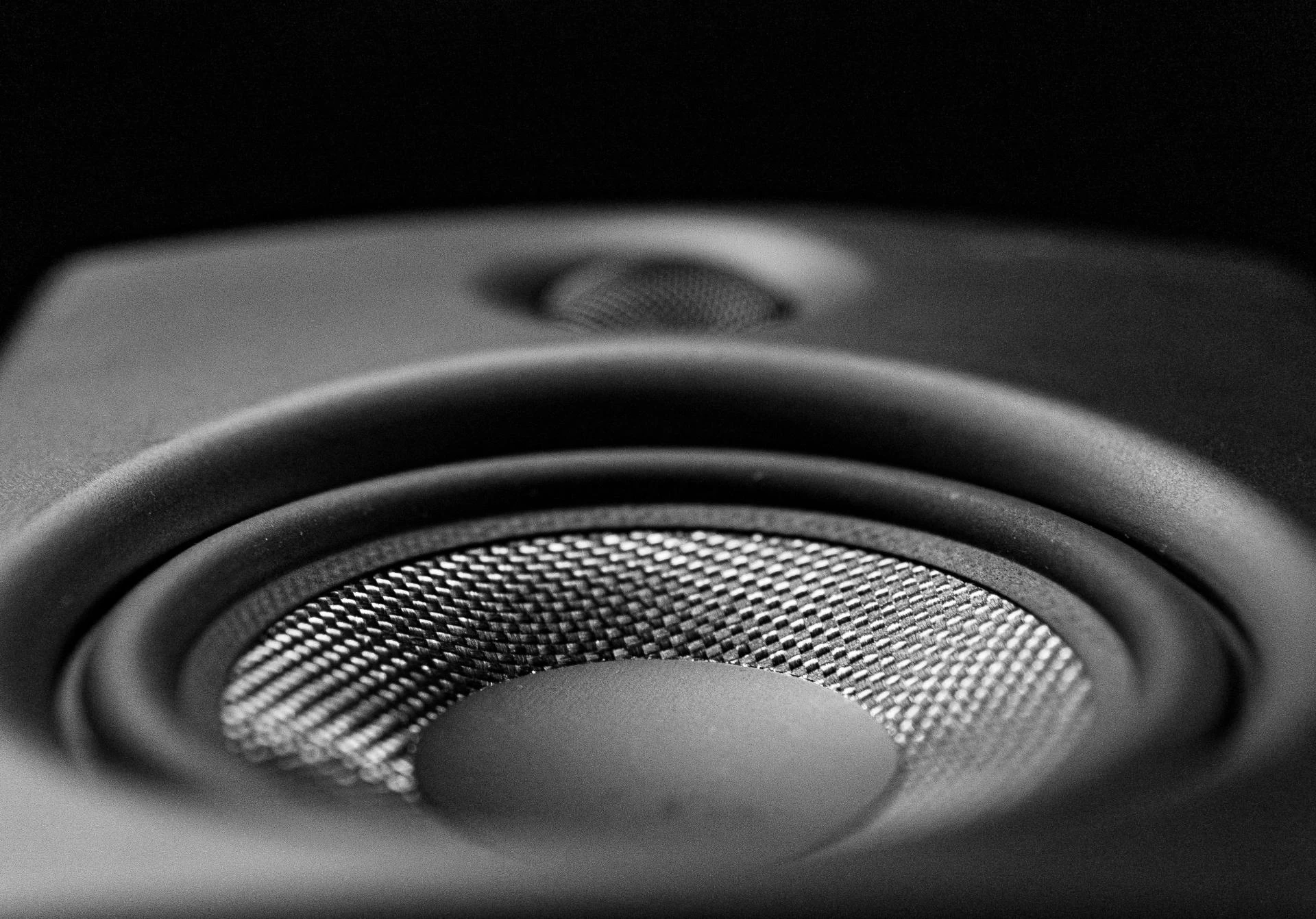
Achieving this requires thoughtful planning long before construction begins. Acoustic modelling, reverberation control, and speaker placement are not afterthoughts — they are foundational decisions. Technologies like delay speakers, line arrays, and digital signal processing ensure that sound reaches every listener with precision and clarity.
Equally important is the psychological aspect of sound. When audio is properly aligned, it feels like it comes directly from the performer — not from a speaker mounted somewhere in the room. This subtle alignment creates immersion, allowing the audience to connect deeply with what’s happening on stage.
And it doesn’t stop with the audience. Performers rely on accurate stage monitoring to hear themselves and each other. Meanwhile, modern auditoriums must also cater to recording, broadcasting, and streaming — extending the experience beyond the physical space.
In the end, an auditorium is more than a building. It is a space designed for emotion, communication, and connection.
Architecture may draw people in —
but sound is what makes them stay.
When we begin to value audire as much as torium, we don’t just build better auditoriums. We create spaces that truly resonate.