
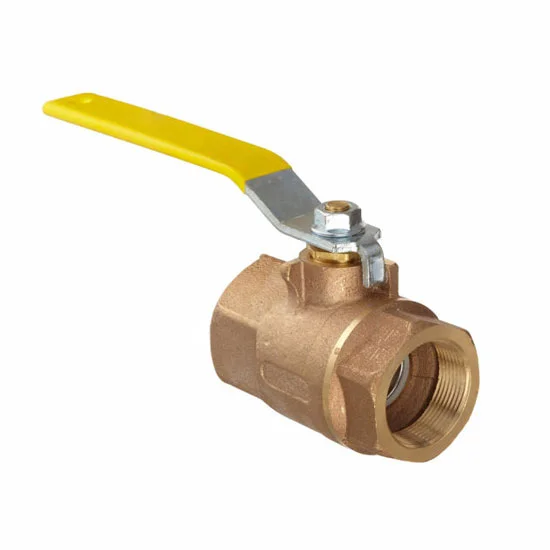
Ball valves are one of the most commonly used types of valves in various industries, owing to their robustness, ease of operation, and reliable performance. A ball valve is a quarter-turn valve that uses a spherical ball to control the flow of fluids or gases through a pipeline. The ball inside the valve has a hole (or port) in the center that opens or closes when the valve handle or actuator is turned.
In this article, we will explore the workings of ball valves, the different types available, their applications across industries, and their advantages in fluid control.
What is a Ball Valve?
A ball valve is a device used to regulate the flow of fluids through a pipeline. It consists of a hollow, perforated, and pivoting ball. The ball is typically made of metals like stainless steel, carbon steel, or brass, depending on the application. The valve operates by rotating the ball 90 degrees, allowing or blocking the flow of the fluid or gas.
The design of the ball valve ensures that it has a tight seal when closed, making it ideal for on/off control and applications where leakage prevention is crucial. The simplicity of its design makes it suitable for handling a wide range of pressures, temperatures, and various types of fluids and gases.
How Does a Ball Valve Work?
Ball valves operate on the principle of a spherical ball rotating within the valve body. This rotation opens or closes a passage, which allows or stops the flow of fluids. The basic mechanism includes:
- Handle/Actuator: The ball valve can be operated manually through a handle or automatically using an actuator. The handle is attached to the valve shaft, which is connected to the ball. When the handle is turned, it rotates the ball.
- Ball: The ball has a hole or port through its center. When the hole is aligned with the pipe, the fluid can flow freely through the valve. When the ball is rotated so that the hole is perpendicular to the flow path, the valve is closed, and the flow is blocked.
- Seat: The seat is the sealing element that ensures a leak-tight seal when the valve is closed. The seat is typically made from a material like PTFE (Polytetrafluoroethylene) to withstand high temperatures and pressures.
The simplicity of this design ensures that the ball valve is reliable and easy to use, providing a fast, easy quarter-turn action for valve operation.
Types of Ball Valves
Ball valves come in various designs to accommodate different operational requirements. These include:
Floating Ball Valve:
- In a floating ball valve, the ball is not fixed to the stem. Instead, it “floats” and is held in place by the pressure of the fluid. The ball is pressed against the seat by the incoming fluid, creating a tight seal. Floating ball valves are commonly used in lower-pressure applications.
Trunnion Ball Valve:
- A trunnion ball valve has a fixed ball that is supported by two trunnions (or supports) on either side. This design is used in high-pressure and large-diameter pipelines, as it helps to reduce the torque needed to operate the valve. The trunnion ball valve is ideal for high-pressure applications, where the ball’s movement is minimal.
V-Port Ball Valve:
- The V-port ball valve features a V-shaped ball and seat, which allows for more precise flow control. This type of valve is ideal for throttling applications where regulating the flow is necessary, as opposed to simply on/off control.
Multi-Port Ball Valve:
- A multi-port ball valve is designed with more than two ports. This type of valve is used when the application requires directing flow in multiple directions or when switching between different pipelines. Multi-port ball valves are commonly found in systems that require fluid diversion or mixing.
Full Port Ball Valve:
- A full port ball valve has a ball with a hole diameter that matches the diameter of the pipe, ensuring minimal resistance and no pressure drop when the valve is fully open. This type of valve is used in applications where maintaining pressure is critical.
Reduced Port Ball Valve:
- In a reduced port ball valve, the ball's hole is smaller than the pipe diameter. This causes a pressure drop, making the valve suitable for applications where a reduced flow is acceptable, but the valve is more compact.
Applications of Ball Valves
Ball valves are versatile and can be used in a variety of applications across numerous industries. Below are some common uses:
Oil and Gas Industry:
- Ball valves are used to control the flow of oil, natural gas, and other chemicals in pipelines. Due to their ability to handle high pressures and temperatures, they are ideal for oil and gas transportation.
Water Treatment:
- Ball valves are widely used in water treatment plants for regulating water flow. Their ability to seal tightly and offer easy operation makes them suitable for controlling water treatment processes.
Chemical and Petrochemical Plants:
- In the chemical industry, ball valves are used for managing the flow of chemicals and gases. Their corrosion-resistant materials, such as stainless steel or exotic alloys, make them suitable for dealing with aggressive chemicals.
HVAC Systems:
- Heating, ventilation, and air conditioning (HVAC) systems benefit from ball valves in their regulation of water or coolant flow. The valves ensure precise control and efficient performance of HVAC systems.
Pharmaceutical and Food Processing:
- In pharmaceutical and food production, ball valves are used to control the flow of liquids, gases, and powders. Their sanitary design ensures they meet the necessary hygiene standards.
Power Plants:
- Power plants utilize ball valves for controlling the flow of steam, water, and gas. Their ability to handle high temperatures and pressures makes them essential in energy generation processes.
Advantages of Ball Valves
Reliable and Leak-proof:
- Ball valves are known for their ability to create a tight seal, even under high pressures. This makes them leak-proof, providing a safer and more reliable means of controlling flow.
Low Maintenance:
- Due to their simple design, ball valves have fewer parts that are prone to wear, resulting in lower maintenance costs. They also require minimal servicing, which reduces downtime.
Quick Operation:
- Ball valves are designed for fast, quarter-turn operation, making them ideal for situations where quick shut-off or flow regulation is necessary.
Durability:
- Ball valves are built to last, with most being resistant to corrosion and wear, which extends their lifespan. They are capable of handling extreme temperatures and pressures, making them suitable for heavy-duty industrial applications.
Variety of Materials:
- Ball valves come in various materials, including stainless steel, brass, bronze, and plastics, to accommodate different fluid types and environmental conditions. This versatility allows them to be used in numerous applications.
Compact Design:
- The design of ball valves is compact, which makes them ideal for installations in tight spaces. They also have a low-pressure drop when fully open, allowing for efficient flow control.
Ball Valves are an essential component in fluid control systems across various industries. Their robust design, ease of operation, and leak-tight performance make them a preferred choice for many applications. With multiple types and configurations available, ball valves can be tailored to suit specific needs, whether for on/off control or precise flow regulation. Despite a few limitations, their numerous advantages far outweigh the disadvantages, making them a critical element in ensuring the smooth and efficient operation of industrial systems.
Understanding the different types of ball valves and their applications helps engineers and designers select the right valve for their needs, ensuring operational efficiency, safety, and reliability in their systems.