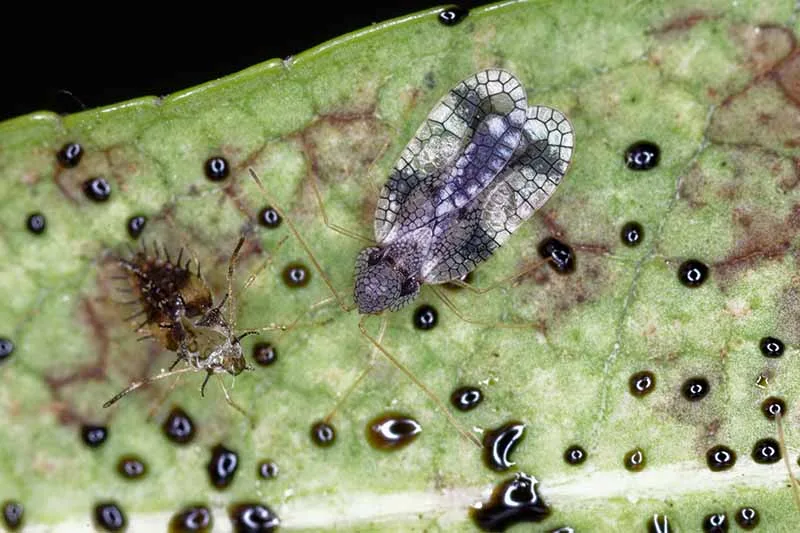
Lace bugs are tiny but highly destructive pests that can seriously damage ornamental trees, shrubs, and garden plants if left untreated. Known for their delicate, lace-like wings, these insects feed on plant sap by piercing leaf tissue, causing discoloration, leaf drop, and overall plant decline.
For homeowners, landscapers, and property managers, understanding the best treatment methods for controlling lace bugs is essential for maintaining healthy and attractive landscapes. Early detection and proper pest management can prevent severe infestations and long-term plant damage.
What Are Lace Bugs?
Lace bugs are small sap-sucking insects belonging to the Tingidae family. They are commonly found on ornamental plants and trees, especially in warm climates.
These pests are named for the lace-like appearance of their wings and body structure. Although tiny, lace bugs can rapidly multiply and weaken plants through continuous feeding.
Common Plants Affected by Lace Bugs
Lace bugs commonly attack:
- Azaleas
- Sycamore trees
- Oak trees
- Rhododendrons
- Hawthorns
- Ornamental shrubs
- Fruit trees
- Certain palm species
Some species target specific plants, while others attack a wider range of landscape vegetation.
Signs of a Lace Bug Infestation
Early identification is critical for effective lace bug control.
Common Symptoms Include:
Yellow or White Speckling on Leaves
Lace bugs feed on the underside of leaves, removing chlorophyll and creating a stippled appearance on the upper surface.
Browning or Leaf Discoloration
As feeding continues, leaves may turn bronze, brown, or scorched.
Black Spots Under Leaves
Dark varnish-like spots are lace bug droppings and are commonly found on the underside of foliage.
Premature Leaf Drop
Heavy infestations may cause leaves to dry out and fall prematurely.
Reduced Plant Health
Long-term infestations can weaken plants, reduce flowering, and make them more vulnerable to disease.
Why Lace Bug Control Is Important
Although lace bugs rarely kill mature plants immediately, repeated infestations can significantly weaken trees and shrubs over time.
Unchecked infestations may lead to:
- Poor plant appearance
- Reduced growth
- Increased plant stress
- Greater susceptibility to disease
- Declining landscape quality
For commercial properties and public landscapes, visible plant damage can negatively affect curb appeal and property value.
Best Treatments for Controlling Lace Bugs Effectively
Successful lace bug treatment usually involves a combination of cultural, biological, and chemical control methods.
1. Regular Monitoring and Early Detection
The earlier lace bugs are identified, the easier they are to control.
Inspect susceptible plants regularly, especially during warmer months when lace bug populations increase rapidly.
Focus on:
- Undersides of leaves
- New growth
- Plants showing yellow speckling
- Areas with previous infestations
Routine inspections allow property owners to treat infestations before major damage occurs.
2. Improve Plant Health
Healthy plants are more resistant to lace bug damage.
Proper Watering
Drought-stressed plants are more vulnerable to infestations. Ensure plants receive adequate water during hot or dry conditions.
Mulching
Organic mulch helps maintain soil moisture and improve root health.
Correct Fertilisation
Balanced fertilisation supports strong plant growth, but excessive nitrogen may encourage pest activity.
Proper Plant Placement
Some lace bug species thrive in full sun. Moving sensitive plants to partially shaded areas may reduce infestation severity.
3. Use Strong Water Sprays
For mild infestations, spraying plants with a strong stream of water can help dislodge lace bugs and eggs from leaf surfaces.
Best Practices:
- Focus on leaf undersides
- Repeat weekly if necessary
- Spray early in the day
This method is environmentally friendly and works best when infestations are detected early.
4. Encourage Natural Predators
Biological control can help reduce lace bug populations naturally.
Beneficial insects that feed on lace bugs include:
- Lady beetles
- Lacewing larvae
- Assassin bugs
- Predatory mites
- Spiders
Avoid broad-spectrum insecticides whenever possible, as they may also kill beneficial insects that naturally control pest populations.
5. Apply Horticultural Oils and Insecticidal Soaps
Horticultural oils and insecticidal soaps are among the most effective low-toxicity treatments for lace bugs.
How They Work
These products:
- Smother insects and eggs
- Disrupt feeding activity
- Reduce pest populations without long-term chemical residue
Application Tips
- Thoroughly coat leaf undersides
- Apply during cooler parts of the day
- Avoid spraying during extreme heat
Multiple applications may be necessary for severe infestations.
6. Systemic Insecticide Treatments
For larger infestations or heavily affected trees, systemic insecticides may provide more effective long-term control.
Benefits of Systemic Treatments
Systemic products are absorbed by the plant and target lace bugs as they feed.
This method is particularly useful for:
- Large trees
- Severe infestations
- Hard-to-reach foliage
- Commercial landscapes
Professional Application Recommended
Because systemic insecticides require careful handling and correct application timing, professional pest management is often recommended.
7. Prune Heavily Infested Foliage
Removing severely affected branches or leaves can help reduce lace bug populations and improve plant appearance.
Proper Pruning Practices:
- Remove damaged growth carefully
- Dispose of infested material properly
- Avoid excessive pruning during hot weather
Pruning also improves airflow, reducing plant stress and supporting recovery.
8. Seasonal Preventive Treatments
Preventive pest management is often the best long-term solution.
Many property owners schedule routine inspections and treatments during peak lace bug activity periods to minimise outbreaks before they become severe.
Preventive programs may include:
- Seasonal monitoring
- Soil health management
- Early insecticide applications
- Biological control strategies
When to Call a Professional Pest Specialist
While mild infestations may be manageable with DIY methods, severe or recurring lace bug problems often require professional treatment.
Professional pest specialists can:
- Correctly identify lace bug species
- Assess plant health
- Recommend targeted treatment plans
- Apply commercial-grade products safely
- Monitor long-term plant recovery
Professional intervention is especially important for large properties, mature trees, commercial landscapes, and widespread infestations.
Preventing Future Lace Bug Infestations
Long-term lace bug management focuses on creating healthier, more resilient landscapes.
Prevention Tips:
- Water plants consistently
- Avoid plant stress
- Monitor regularly for early signs
- Encourage beneficial insects
- Prune overcrowded growth
- Maintain healthy soil conditions
Integrated pest management strategies provide the most sustainable results.
Final Thoughts
Lace bugs may be small, but they can cause significant damage to trees, shrubs, and ornamental landscapes when left untreated. Early detection, proper plant care, and targeted treatment methods are essential for controlling infestations effectively.
From horticultural oils and biological controls to systemic insecticides and preventive maintenance, there are several reliable solutions available depending on the severity of the infestation. Maintaining healthy plants and monitoring regularly can greatly reduce the risk of future outbreaks.
For severe infestations or valuable landscape assets, working with experienced pest and tree care professionals can help ensure effective lace bug treatment while protecting the long-term health and appearance of your property.