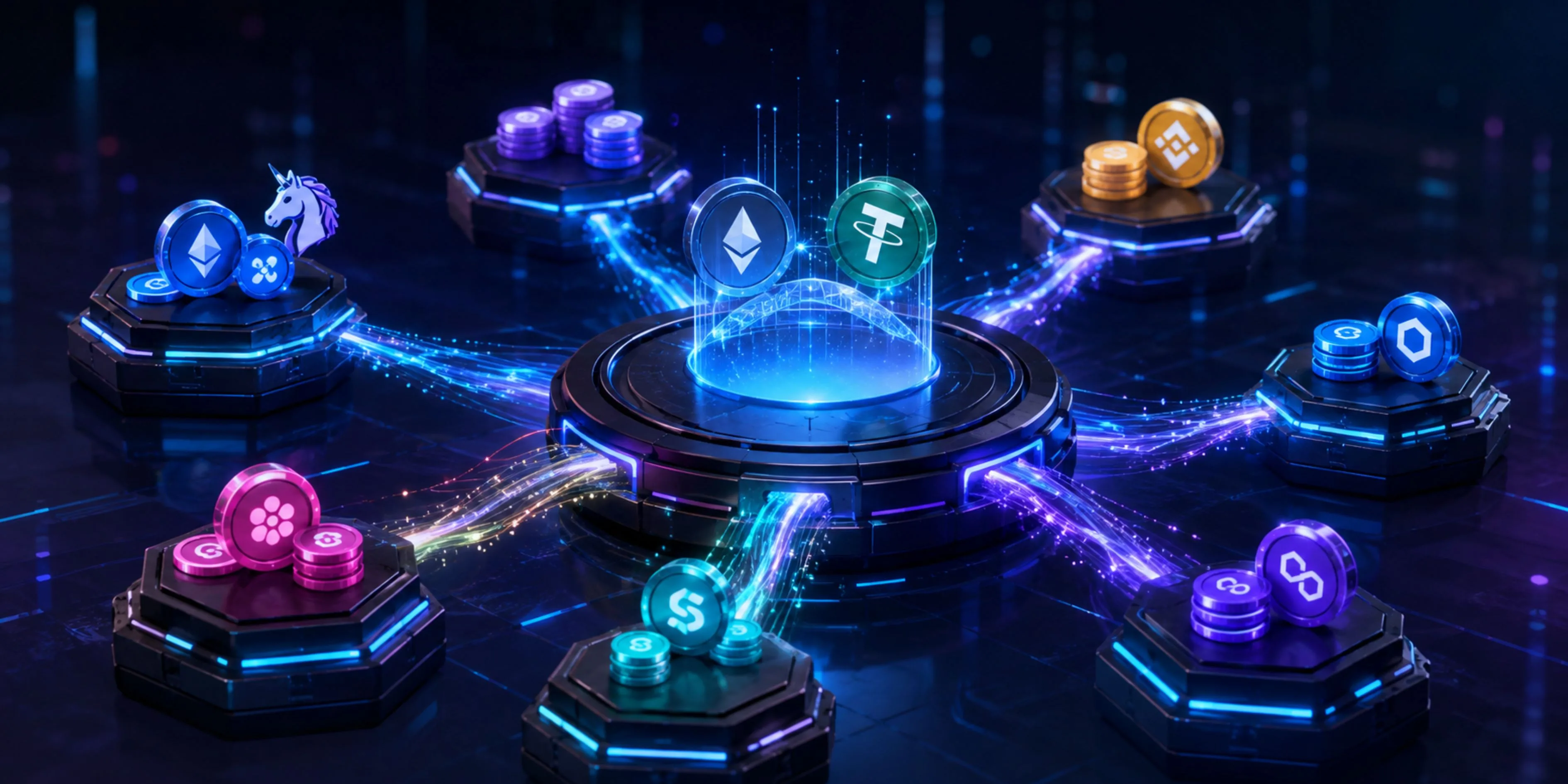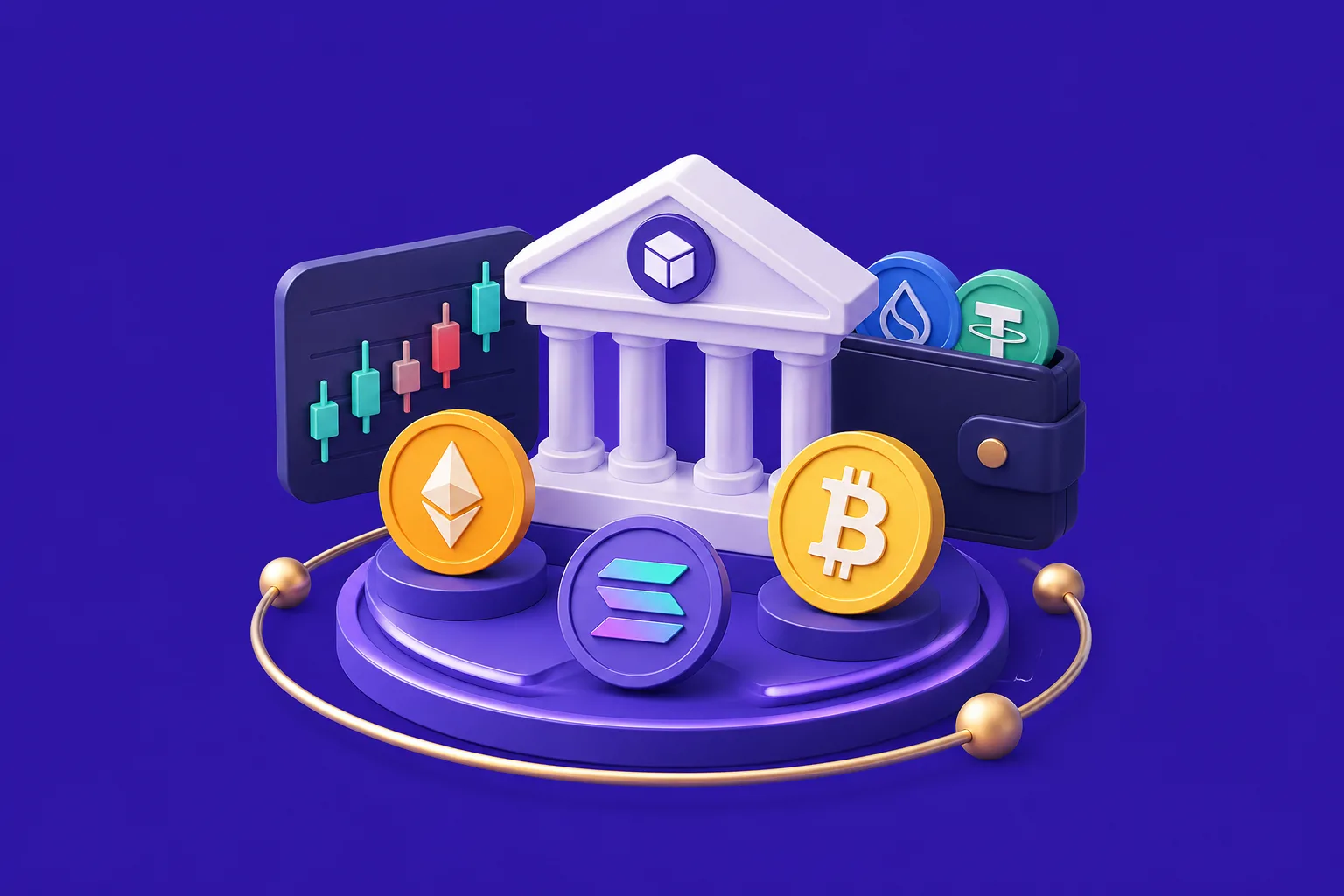
When most people hear about blockchain, they immediately think of cryptocurrencies. But behind the scenes, a much bigger transformation is taking place—one that is gradually reshaping how the entire financial system works. This transformation is known as Decentralized Finance, or DeFi.
DeFi is not just about digital assets; it’s about reimagining financial services in a way that removes traditional barriers. By using blockchain technology and smart contracts, DeFi enables direct, peer-to-peer financial interactions without relying on banks or centralized institutions.
Why Traditional Finance is Being Challenged
For decades, financial systems have depended on intermediaries—banks, payment processors, and financial institutions—to manage transactions. While these systems are reliable, they come with limitations such as high fees, slow processing times, and restricted access for many users around the world.
DeFi challenges this model by introducing a decentralized approach where users have full control over their funds. Transactions are executed automatically through smart contracts, reducing both time and cost while increasing transparency.
The Core Building Blocks of DeFi
1. Smart Contracts
At the heart of DeFi are smart contracts—self-executing programs that run on blockchain networks. These contracts automate financial processes, eliminating the need for manual intervention or third-party approvals.
2. Decentralized Applications (dApps)
DeFi platforms are powered by decentralized applications that provide services such as lending, borrowing, trading, and staking. These applications are accessible globally and operate without downtime.
3. Digital Wallets
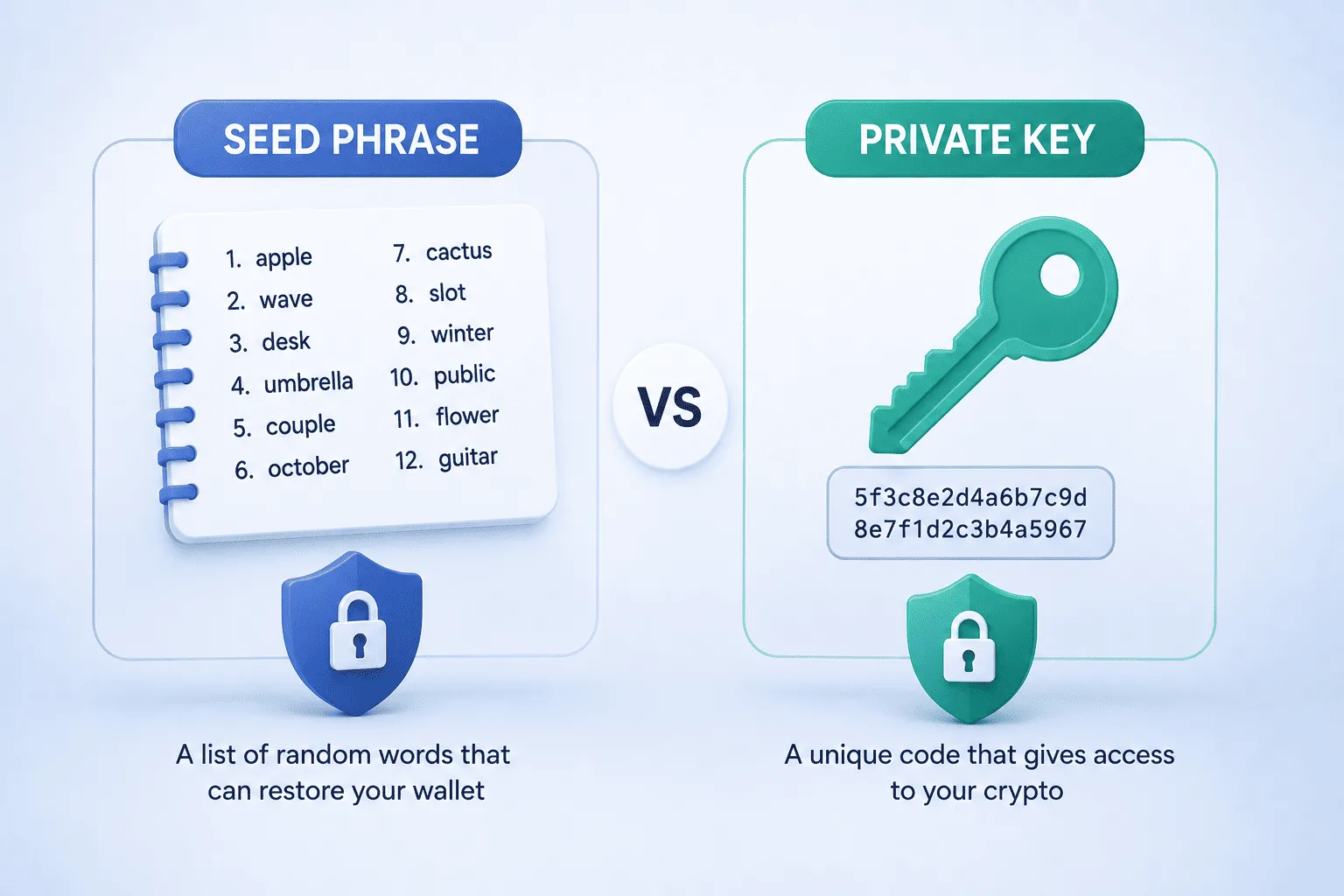
Users interact with DeFi platforms through digital wallets, which give them full ownership and control of their assets without relying on centralized custody.
Real-World Impact of DeFi
DeFi is already making a tangible impact across various sectors:
- Financial Inclusion: People without access to traditional banking can now participate in global finance
- Faster Transactions: Payments that once took days can now be completed in minutes
- Lower Costs: Reduced reliance on intermediaries leads to lower transaction fees
- Transparency: Every transaction is recorded on a public ledger
Staking: A Growing Trend in DeFi
One of the most popular features of DeFi is staking, where users lock their digital assets to earn rewards. This model not only benefits users but also supports the stability and security of blockchain networks.
If you want to explore how staking works in detail, this guide on DeFi staking options offers a comprehensive overview of different strategies and benefits.
Why Businesses Are Moving Towards DeFi
It’s not just individuals who are embracing DeFi—businesses are also recognizing its potential. Companies are using decentralized solutions to streamline operations, reduce costs, and expand into global markets without traditional limitations.
To build these solutions effectively, many organizations collaborate with a trusted DeFi development company that can design secure and scalable blockchain applications tailored to specific business needs.
Challenges That Still Exist
Despite its advantages, DeFi is not without challenges. Issues such as smart contract vulnerabilities, regulatory uncertainty, and market volatility continue to pose risks. Additionally, the responsibility of managing assets lies entirely with users, which can be a barrier for newcomers.
However, ongoing advancements in security, user experience, and compliance are steadily addressing these concerns.
The Road Ahead
The future of DeFi looks promising, with innovations like real-world asset tokenization, decentralized identity systems, and AI integration pushing the boundaries of what’s possible. These developments are expected to make DeFi more accessible, secure, and efficient.
As the ecosystem continues to evolve, DeFi is likely to become a fundamental part of the global financial infrastructure—offering a more inclusive and transparent alternative to traditional systems.
Final Thoughts
DeFi is quietly rebuilding the foundations of finance. It is not just about replacing existing systems but improving them in ways that benefit users worldwide.
For anyone looking to understand the future of finance, keeping an eye on DeFi is no longer optional—it’s essential.