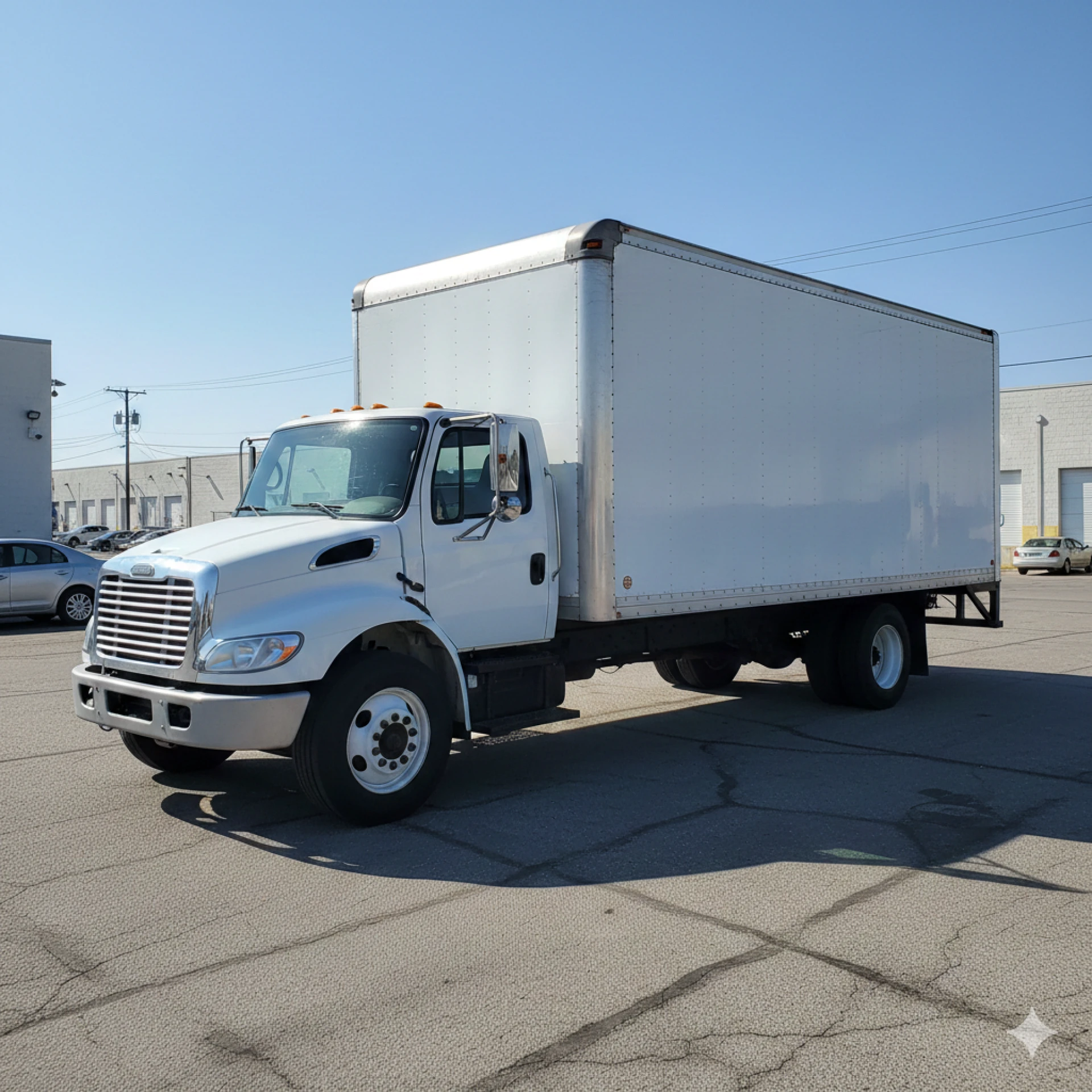
The demand for box trucks in the U.S. freight market has grown steadily over the past few years—and with it, the need for skilled box truck dispatchers. From local deliveries to long-haul loads, box trucks play a crucial role in moving goods efficiently. Whether you’re a truck owner, aspiring dispatcher, or someone looking to enter the logistics industry, understanding box truck dispatching can open the door to consistent income and long-term growth.
At Awahe Academy, box truck dispatching is taught as a practical, real-world skill—not just theory. Let’s break down what box truck dispatching is, how it works, and why it’s a smart career move.
What Is Box Truck Dispatching?
Box truck dispatching is the process of finding, booking, and managing freight loads for box truck owners and drivers. A dispatcher acts as the communication link between brokers, shippers, and drivers, ensuring loads are profitable, routes are optimized, and deliveries happen on time.
Unlike semi-trucks, box trucks typically handle:
- Local and regional freight
- LTL (Less-Than-Truckload) shipments
- Expedited and last-mile deliveries
- Amazon Relay, FedEx, and independent carrier loads
Because box trucks don’t require a CDL in many cases (depending on size and weight), this segment attracts new entrepreneurs and drivers—making dispatching services highly valuable.
Why Box Truck Dispatching Is in High Demand
The e-commerce boom, same-day delivery expectations, and increased local freight movement have made box trucks essential. Many owner-operators prefer to focus on driving while outsourcing dispatching to trained professionals.
Key reasons for the demand rise:
- Growing last-mile delivery needs
- Increased use of non-CDL box trucks
- Owner-operators seeking dispatch support
- Expansion of Amazon Relay and local freight platforms
This demand creates consistent opportunities for dispatchers who understand the box truck market.
Responsibilities of a Box Truck Dispatcher
A professional box truck dispatcher handles much more than just booking loads. Their responsibilities include:
- Finding high-paying loads on load boards
- Negotiating rates with brokers and shippers
- Planning efficient routes and schedules
- Managing driver communication
- Handling paperwork such as rate confirmations and invoices
- Tracking deliveries and resolving issues
- Ensuring compliance with carrier requirements
Strong dispatching directly impacts a truck’s profitability and driver satisfaction.
Skills Needed to Succeed in Box Truck Dispatching
Successful box truck dispatchers develop a mix of technical and communication skills, including:
- Load board navigation (DAT, Truckstop, Amazon Relay)
- Rate negotiation strategies
- Understanding box truck weight limits and freight types
- Time management and problem-solving
- Clear communication with brokers and drivers
- Basic knowledge of DOT and carrier compliance
These are skills that can be learned quickly with proper training and hands-on guidance.
Box Truck Dispatching as a Career or Business
One of the biggest advantages of box truck dispatching is flexibility. You can work:
- As an independent dispatcher
- For a dispatch company
- With a fleet owner
- Remotely from home
Many dispatchers charge a percentage per load or a flat weekly fee per truck, making it possible to scale income by managing multiple trucks.
For entrepreneurs, dispatching can be started with minimal investment and scaled into a full dispatching business.
How Awahe Academy Trains Box Truck Dispatchers
At Awahe Academy, box truck dispatching training is designed for real-world success. Since 2017, Awahe has helped students build practical skills that translate directly into income.
What makes Awahe Academy different:
- One-on-One Training (not crowded group classes)
- Real load booking practice
- Live broker negotiation techniques
- Step-by-step dispatch workflow
- Guidance on Amazon Relay and box truck platforms
- Business setup support for independent dispatchers
- Ongoing mentorship and industry support
Students don’t just learn what box truck dispatching is—they learn how to do it confidently and profitably.
Who Should Learn Box Truck Dispatching?
Box truck dispatching is ideal for:
- Beginners entering logistics
- Truck owners who want to self-dispatch
- Stay-at-home professionals seeking remote work
- Entrepreneurs starting a dispatch service
- Anyone looking for a stable logistics career
No prior trucking experience is required when training is done correctly.
Final Thoughts
Box truck dispatching is more than just booking loads—it’s a valuable skill that supports the backbone of local and regional freight movement. With the right training, it can become a reliable career or a scalable business opportunity.
If you’re serious about learning box truck dispatching the right way, Awahe Academy offers hands-on, personalized training designed to help you succeed in today’s competitive trucking industry.