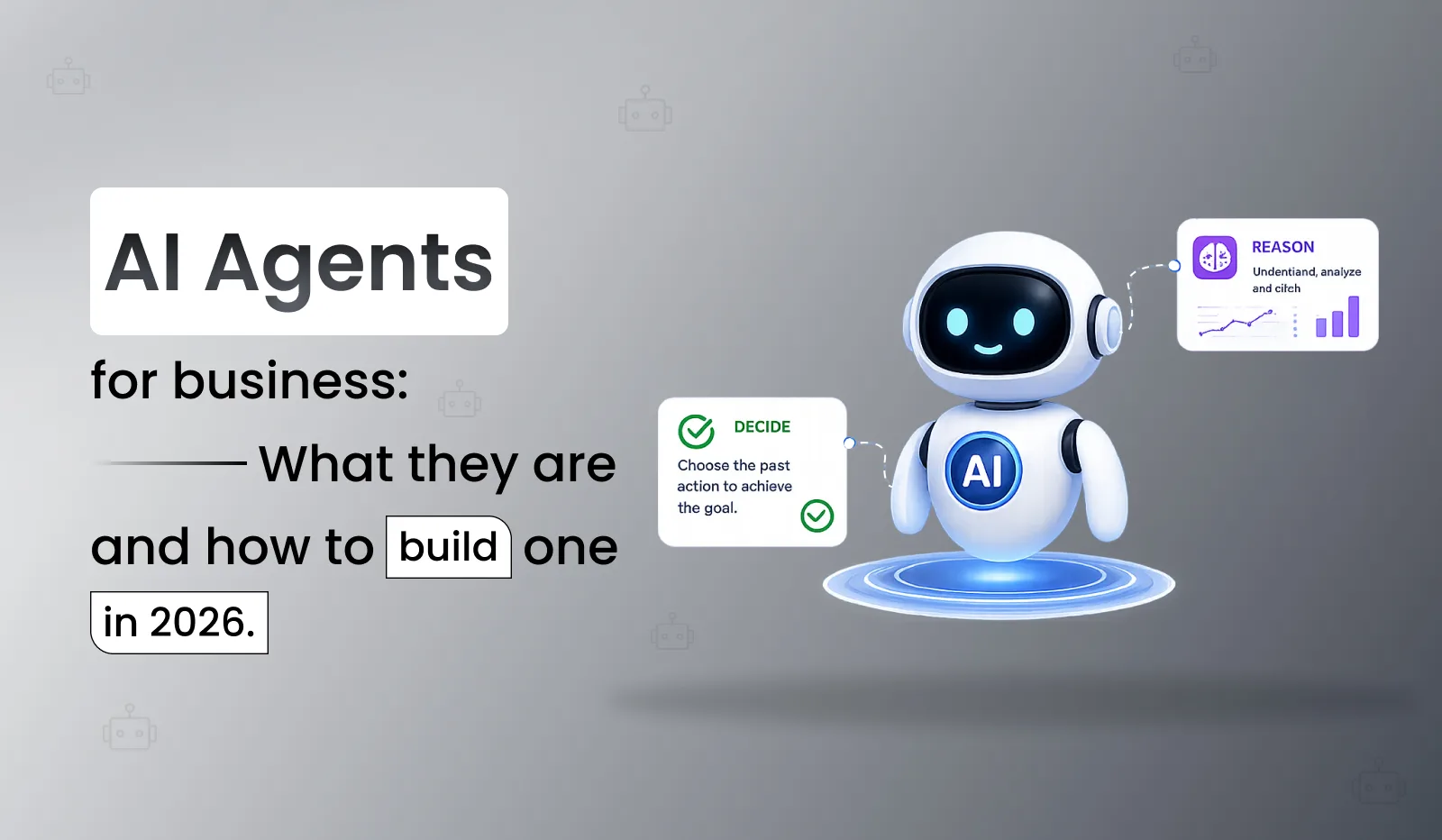
Global content creation is booming—and so is the demand for multilingual access. Whether you're a solo content creator, a startup, or an enterprise, you’ve likely faced the challenge of reaching viewers who don’t speak your language. Fortunately, AI-powered subtitle tools are redefining how we localize videos across languages, platforms, and cultures.
If you're exploring intelligent solutions to translate subtitles AI-powered systems provide, platforms like CLAILA offer a starting point to dive into seamless video translation. But how does it work, and why is it so impactful?
This blog explores how AI transforms subtitle generation, the benefits of using such tools, and how they’re helping creators worldwide overcome language barriers.
The Rise of AI-Powered Subtitles
Traditional subtitle creation required human translators, transcribers, and manual syncing, often costing time and money. AI has streamlined this process. Now, a video can be uploaded and automatically transcribed, translated, and subtitled across multiple languages in minutes.
AI subtitle tools rely on machine learning, speech recognition, and natural language processing (NLP). These technologies allow platforms to understand spoken words in a video, translate them to another language, and match them with accurate timestamps.
Many creators now turn to tools such as:
- YouTube’s Auto-Translate Subtitles
- Descript for transcription and translation
- Amara for crowdsourced subtitle collaboration
- Kapwing's Subtitle Generator
- CLAILA, which allows seamless subtitle generation and multilingual video translation using advanced AI engines.
Why Translate Subtitles with AI?
Using AI to translate subtitles isn’t just a trendy tech choice—it’s a powerful tool for accessibility, growth, and user engagement.
1. Accessibility for Global Audiences
With the rise of remote work and international content distribution, reaching audiences across regions has become a must. AI subtitle generators allow content to be consumed by non-native speakers, deaf or hard-of-hearing individuals, and those watching without sound.
2. Speed and Scalability
Manual translations may take hours or days. AI-driven tools translate videos in real time, helping creators meet tight deadlines and upload faster.
3. Cost-Efficiency
Hiring professional translators for every language can be expensive. While not flawless, AI-generated subtitles drastically reduce costs and offer editable outputs that can be fine-tuned for better accuracy.
4. Consistency in Translation
When managed well, AI tools maintain consistency across terminology—crucial for brands or tutorials where specific jargon is repeatedly used.
💡 Looking to simplify your multilingual content creation workflow? Explore AI solutions like CLAILA, which support quick and accurate video subtitle translation.
How AI Translate Video Tools Work
Understanding how these tools function can help you choose the right one. Here's a simplified breakdown of the process:
- Audio Recognition
- AI uses automatic speech recognition (ASR) to detect speech and convert it into text.
- Language Detection and Translation
- NLP models analyze context and semantics to translate subtitles AI style—meaning not just literal translation but also preserving meaning and tone.
- Subtitle Syncing
- AI aligns translated text with timestamps from the original video, producing clean, timed subtitles.
- Review & Edit (Optional)
- Most platforms let you manually edit or refine subtitles to correct nuances or regional slang.
Use Cases for AI-Powered Subtitles
AI subtitles are not just for YouTubers or influencers. Here are key industries where they’re making a big impact:
- Education: E-learning platforms localize lessons for global students, using AI to add subtitles in dozens of languages.
- Media & Entertainment: Global OTT platforms rely on AI subtitle tools to localize TV shows and movies.
- Corporate Training: Multinational companies use subtitle translation tools to make onboarding videos accessible worldwide.
- Marketing & Product Demos: Startups can scale content reach by translating video tutorials across multiple regions.
A growing number of brands now prioritize multilingual video accessibility—and AI tools make this easier and more scalable than ever.
Key Considerations When Using AI Subtitle Tools
Despite major progress, AI translate video tools are not perfect. Here are a few things to keep in mind:
1. Accuracy Varies by Language
Some tools perform better with widely spoken languages (like English, Spanish, or Mandarin) than niche dialects.
2. Cultural Nuance Can Be Missed
AI may misinterpret idioms, sarcasm, or cultural references. A light manual review is often necessary.
3. Data Privacy
Always review a platform’s data handling policy, especially if working with sensitive or proprietary content.
4. Platform Compatibility
Ensure your subtitle files (usually .SRT, .VTT, or .SBV) are compatible with your video hosting platform.
✨ For a solution that offers editable subtitles with time-stamped precision, platforms like CLAILA combine speed with customization.
Expert Tips to Maximize AI Subtitle Tools
- Use high-quality audio. Clean audio without background noise ensures better transcription accuracy.
- Stick to clear speech. Fast or slurred speech can confuse even advanced AI models.
- Proofread final subtitles. Especially if publishing in multiple languages—always review at least the first draft.
- Use consistent terminology. This helps AI maintain translation quality across multiple videos.
FAQs About AI Subtitle Translation
Q1: How accurate are AI-generated subtitles?
AI subtitles can reach 90–95% accuracy with clear audio and standard speech. However, for niche topics or slang-heavy content, manual review is recommended.
Q2: Can AI subtitle tools handle multiple languages?
Yes. Most advanced tools support over 30–100 languages. Tools like CLAILA, Descript, and Kapwing allow automatic translation and subtitle creation in multiple languages.
Q3: Do I need to know the target language to use these tools?
No. The interface is often in your native language, and AI handles translation. However, having someone fluent review the final subtitles is a good practice.
Q4: What file formats do AI subtitle tools export?
Common formats include:
.SRT(SubRip).VTT(Web Video Text Tracks).SBV(YouTube subtitles)- These are widely accepted on platforms like YouTube, Vimeo, and social media platforms.
Q5: Are AI subtitle tools free to use?
Some platforms offer free plans with basic features. Others charge based on minutes, language packs, or export formats. CLAILA, for instance, offers flexible pricing based on project needs.
Final Thoughts
As video becomes the dominant form of digital content, creators can no longer afford to think monolingually. AI-powered subtitle translation tools are empowering users to unlock new audiences, increase accessibility, and break down barriers—all without breaking the bank or sacrificing quality.
By leveraging translate subtitles AI technology and intelligent subtitle syncing, creators can produce inclusive, engaging, and global-ready video content.
🎯 Ready to try AI video subtitle translation that fits your workflow? Visit CLAILA to explore how automation can simplify your multilingual content journey.