Bronchitis and pneumonia are respiratory conditions that affect different parts of the lungs and airways. Treatment for bronchitis and pneumonia focuses on controlling infection, improving breathing, reducing inflammation, and supporting recovery.
At American Urgent Care and Walk-In Clinics, patients receive timely evaluation and treatment for respiratory illnesses and common medical conditions with shorter wait times and compassionate care.
What Are Bronchitis and Pneumonia?
Bronchitis affects the bronchial tubes, while pneumonia affects the air sacs inside the lungs.
Bronchitis causes inflammation of the bronchi and increases mucus production. Pneumonia causes inflammation of the alveoli and leads to fluid accumulation.
Common infectious causes include:
- Viruses, examples include the influenza virus and the respiratory syncytial virus.
- Bacteria, examples include Streptococcus pneumoniae and Haemophilus influenzae.
- Fungi, examples include Histoplasma capsulatum and Pneumocystis jirovecii.
Acute bronchitis commonly develops after upper respiratory tract infections. Pneumonia ranges from mild illness to severe respiratory disease.
Difference Between Bronchitis and Pneumonia
Bronchitis primarily causes coughing, whereas pneumonia frequently causes fever and breathing difficulty.
CharacteristicBronchitisPneumoniaMain locationBronchial tubesLung alveoliCommon symptomPersistent coughFever and coughChest X-ray findingsUsually normalPulmonary infiltratesRecovery period10 to 21 days1 to 6 weeksSeverityMild to moderateMild to severeBoth conditions involve respiratory inflammation, but pneumonia typically produces more severe symptoms.
Common Symptoms of Bronchitis and Pneumonia
Cough, mucus production, and fatigue are shared symptoms.
Common symptoms include:
- Productive cough.
- Fever.
- Chills.
- Chest discomfort.
- Fatigue.
- Shortness of breath.
- Wheezing.
- Rapid breathing.
Symptoms specific to pneumonia include:
- High fever above 38.5°C (101.3°F)
- Sharp chest pain
- Oxygen saturation reduction
- Confusion in older adults
Symptoms specific to bronchitis include:
- Persistent cough lasting up to 3 weeks
- Mild wheezing
- Sore throat
- Nasal congestion
How Doctors Diagnose Bronchitis and Pneumonia
Clinical evaluation and diagnostic testing identify the underlying condition.
Healthcare professionals assess:
- Medical history
- Respiratory symptoms
- Oxygen levels
- Lung sounds
Diagnostic tests include:
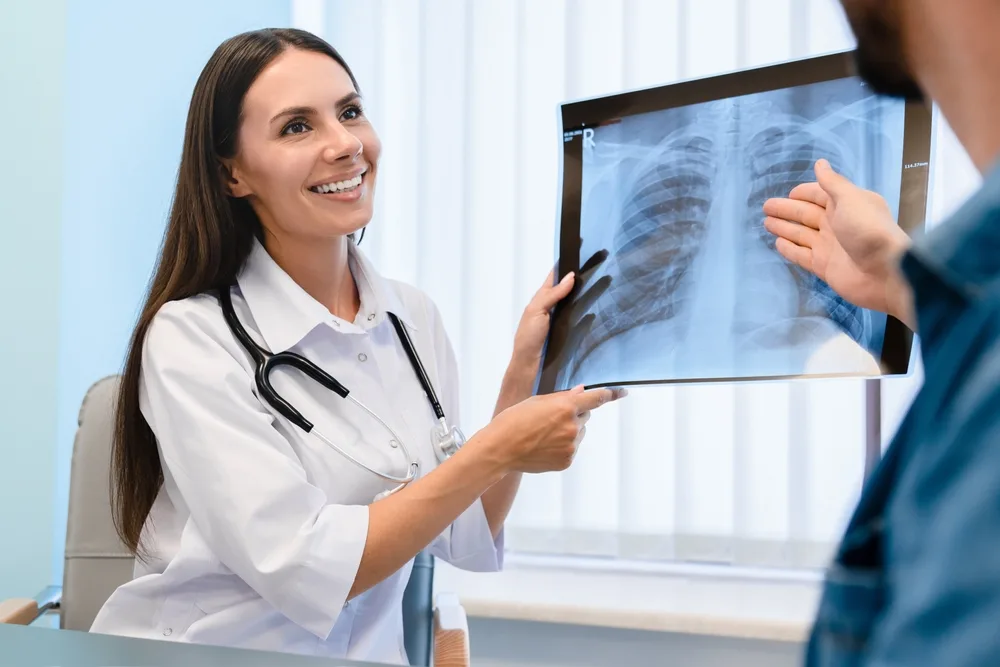
Chest X-Ray
Chest radiography identifies pneumonia-related lung infiltrates.
Chest X-rays differentiate pneumonia from uncomplicated bronchitis.
Pulse Oximetry
Pulse oximetry measures blood oxygen saturation.
Normal oxygen saturation ranges between 95% and 100%.
Laboratory Tests
Laboratory analysis detects infectious organisms and inflammatory responses.
Examples include:
- Complete blood count
- Sputum culture
- Blood cultures
Treatment for Acute Bronchitis
Supportive care represents the primary treatment for acute bronchitis.
Since viral infections account for more than 90% of acute bronchitis cases, antibiotics are not routinely indicated.
Treatment measures include:
- Hydration
- Rest
- Humidified air
- Fever reduction
- Cough management
Examples of supportive therapies include:
- Acetaminophen
- Ibuprofen
- Saline nasal sprays
Bronchodilator Therapy
Bronchodilators improve airflow in patients with wheezing.
Examples include:
- Albuterol inhalers
- Nebulized bronchodilators
These medications relax airway muscles and facilitate breathing.
Treatment for Pneumonia
Antimicrobial therapy and respiratory support form the foundation of pneumonia treatment.
Treatment depends on the infectious cause and disease severity.
Antibiotics for Bacterial Pneumonia
Antibiotics eliminate bacterial pathogens.
Examples include:
- Amoxicillin
- Azithromycin
- Doxycycline
Medication selection depends on age, risk factors, and bacterial resistance patterns.
Antiviral Medications
Antiviral therapy targets selected viral infections.
Examples include:
- Oseltamivir
- Zanamivir
These medications treat influenza-related pneumonia.
Oxygen Therapy
Supplemental oxygen increases blood oxygen levels.
Oxygen therapy benefits patients with low oxygen saturation.
Intravenous Fluids
Intravenous hydration supports circulation and fluid balance.
Hospitalized patients frequently receive fluid replacement.
Home Care Measures
Supportive care improves comfort and facilitates recovery.
Important measures include:
- Drinking 2 to 3 liters of fluids daily.
- Sleeping 7 to 9 hours every night.
- Using humidified air.
- Avoiding cigarette smoke exposure.
- Monitoring body temperature.
- Following prescribed medication schedules.
Supportive measures complement medical therapy.
Recovery Time
Recovery duration depends on age, severity, and overall health status.
Average recovery periods include:
ConditionRecovery DurationAcute bronchitis10 to 21 daysMild pneumonia1 to 3 weeksModerate pneumonia3 to 6 weeksSevere pneumonia6 to 12 weeksResidual fatigue occasionally persists after respiratory symptoms resolve.
Risk Factors
Underlying diseases and environmental exposure increase infection risk.
Major risk factors include:
- Smoking
- Diabetes mellitus
- Asthma
- Chronic obstructive pulmonary disease
- Heart disease
- Advanced age above 65 years
Examples of immune disorders include HIV infection and cancer-related immunosuppression.
Complications
Untreated infections increase the risk of serious complications.
Potential complications include:
- Respiratory failure
- Pleural effusion
- Sepsis
- Lung abscess
- Acute respiratory distress syndrome
Complication rates increase among older adults and immunocompromised individuals.
Statistics About Bronchitis and Pneumonia
Respiratory infections account for millions of healthcare visits annually.
Important statistics include:
- Acute bronchitis affects approximately 5% of adults every year.
- Viral infections cause more than 90% of acute bronchitis cases.
- Community-acquired pneumonia affects 5 to 12 adults per 1,000 individuals annually.
- Adults older than 65 years experience higher hospitalization rates.
Respiratory diseases remain a major cause of outpatient visits and hospital admissions worldwide.
Prevention Strategies
Vaccination and infection-control practices reduce respiratory disease incidence.
Preventive measures include:
- Receiving annual influenza vaccination.
- Receiving pneumococcal vaccination.
- Washing hands frequently.
- Avoiding tobacco smoke exposure.
- Managing chronic diseases.
- Maintaining adequate nutrition.
These strategies decrease infection rates and improve respiratory health.
When Immediate Medical Attention Is Necessary
Severe symptoms indicate the need for urgent medical evaluation.
Warning signs include:
- Fever above 39°C (102.2°F)
- Severe chest pain
- Blue lips
- Confusion
- Rapid breathing
- Oxygen saturation below 90%
These findings indicate possible respiratory compromise and require immediate assessment.
Conclusion
Bronchitis and pneumonia treatment focuses on infection control, symptom relief, and respiratory support. Acute bronchitis commonly resolves with supportive care, whereas pneumonia frequently requires antibiotics, antiviral medications, oxygen therapy, or hospitalization. Early diagnosis and appropriate treatment improve recovery and reduce complications.
Frequently Asked Questions
What is the difference between bronchitis and pneumonia treatment?
Bronchitis treatment mainly involves supportive care, whereas pneumonia treatment frequently includes antimicrobial medications and respiratory support.
How long does recovery take for bronchitis and pneumonia?
Bronchitis generally resolves within 10 to 21 days, while pneumonia recovery ranges from 1 to 12 weeks depending on severity.
Why are antibiotics used for pneumonia?
Antibiotics eliminate bacterial pathogens responsible for bacterial pneumonia.
How do doctors diagnose bronchitis and pneumonia?
Healthcare professionals use physical examination, chest X-rays, oxygen measurements, and laboratory tests to establish the diagnosis.
What symptoms indicate emergency medical care?
High fever, severe chest pain, low oxygen levels, confusion, and difficulty breathing require immediate medical evaluation.
https://american-urgentcare.com/bronchitis-pneumonia/