
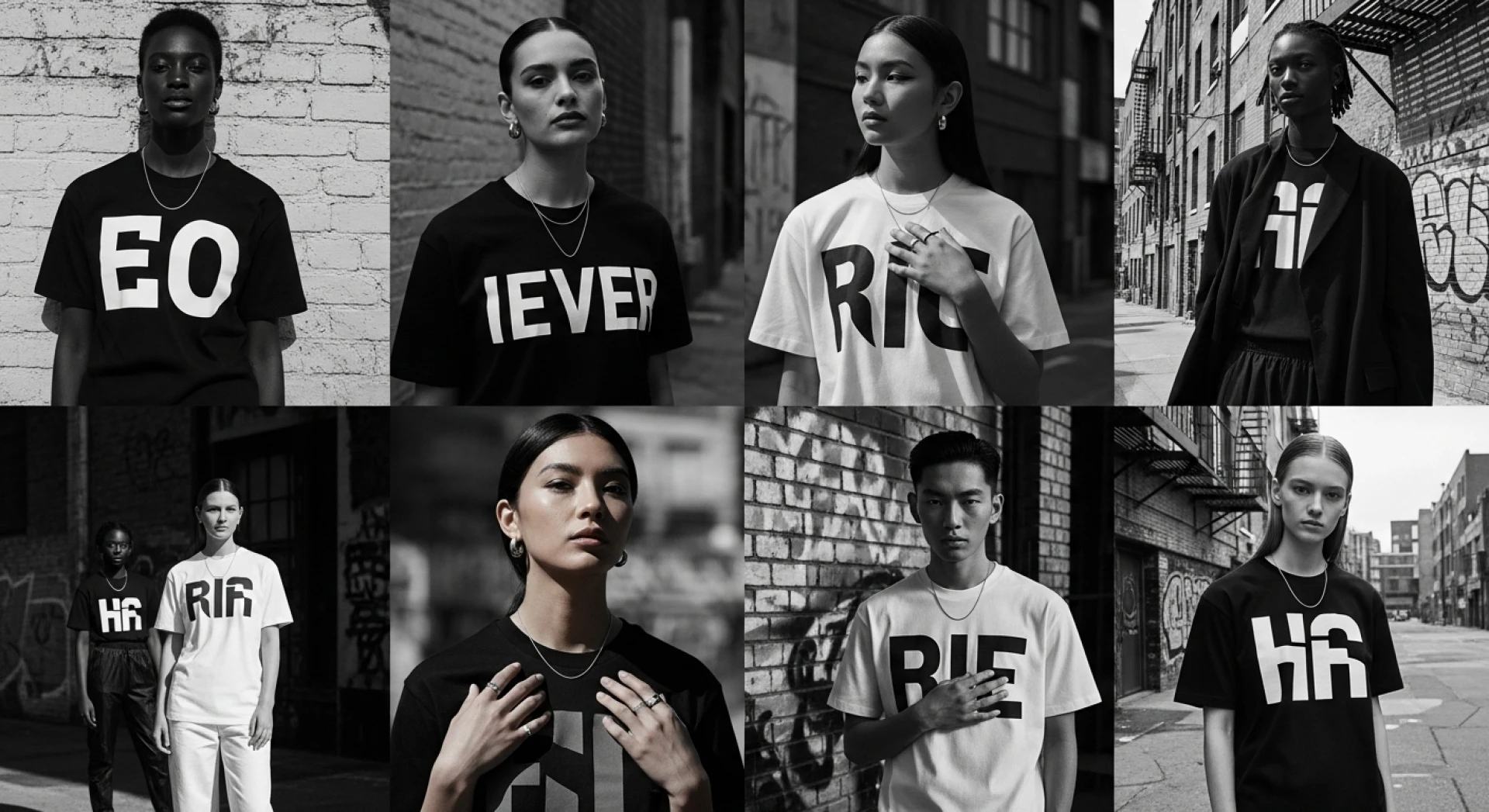
Fashion has long been a tool for self-expression, but it can also serve as a powerful form of protest. The question, “Can clothing be a form of protest?”, explores how garments, accessories, and personal style communicate dissent, solidarity, and social messages. From historical movements to contemporary streetwear, clothing has become a visible and influential platform for activism and advocacy.
Understanding how fashion can act as protest reveals the ways individuals and communities use style to challenge norms and demand change.
How Clothing Functions as Protest
Clothing can convey political, social, and cultural messages without the need for words. It transforms everyday fashion into a visible form of resistance and awareness.
Ways clothing functions as protest include:
1. Symbolism
Colors, patterns, and styles can symbolize solidarity or opposition. For example, wearing black during a social movement can signify mourning or resistance.
2. Slogan Apparel
T-shirts, hoodies, and jackets with statements or messages highlight causes like equality, human rights, and climate action.
3. Cultural and Traditional Attire
Wearing culturally significant clothing can assert identity, challenge oppression, and resist assimilation pressures.
4. Uniformity in Demonstrations
Coordinated outfits during protests foster unity, amplify visibility, and create a recognizable movement image.
Historical Examples of Clothing as Protest
Throughout history, clothing has been a critical tool in social and political movements:
- Civil Rights Movement: Activists used specific attire to convey professionalism and seriousness, challenging stereotypes.
- Women’s Suffrage Movement: White dresses and sashes symbolized purity and solidarity for women’s right to vote.
- Punk Movement: Fashion became anti-establishment, challenging norms through ripped clothing, safety pins, and bold hairstyles.
- Anti-Apartheid Campaigns: Colors and traditional garments were used to symbolize cultural pride and political resistance.
These examples demonstrate that clothing is not merely decorative—it carries meaning and communicates a stance.
Modern Protest Fashion
Today, protest fashion continues to influence social movements:
- Streetwear and Graphic Tees: Highlight racial justice, LGBTQ+ rights, and environmental activism.
- Sustainable Fashion: Eco-conscious clothing supports climate advocacy and ethical practices.
- Celebrity Activism: Public figures use red carpet fashion or casual outfits to make political statements, inspiring awareness.
- Digital Campaigns: Social media amplifies images of protest fashion, extending reach and impact globally.
Modern protest fashion shows that style can be both personal and political.
Role of Brands and Consumers
Fashion brands and consumers have significant influence in turning clothing into protest:
- Brands: By designing statement apparel, donating to causes, and promoting awareness, brands amplify activism.
- Consumers: Wearing clothing aligned with social causes communicates personal values and spreads visibility for movements.
Intentionality ensures that protest through clothing is meaningful and effective.
Challenges in Protest Fashion
While powerful, clothing as protest has limitations:
- Performative Activism: Wearing messages without taking action.
- Commercial Exploitation: Using protest aesthetics purely for marketing.
- Misinterpretation: Symbolic clothing can be misunderstood or lose its meaning.
Informed choices help maintain authenticity and impact.
Conclusion
Clothing can indeed be a form of protest. It serves as a visible, accessible, and influential tool to express dissent, solidarity, and advocacy. From historical movements to modern activism, fashion communicates values, challenges authority, and inspires change.
Ultimately, clothing is more than fabric and style.
It is a statement.
It is a voice.
And it is a way to wear your beliefs while standing up for what you believe in.