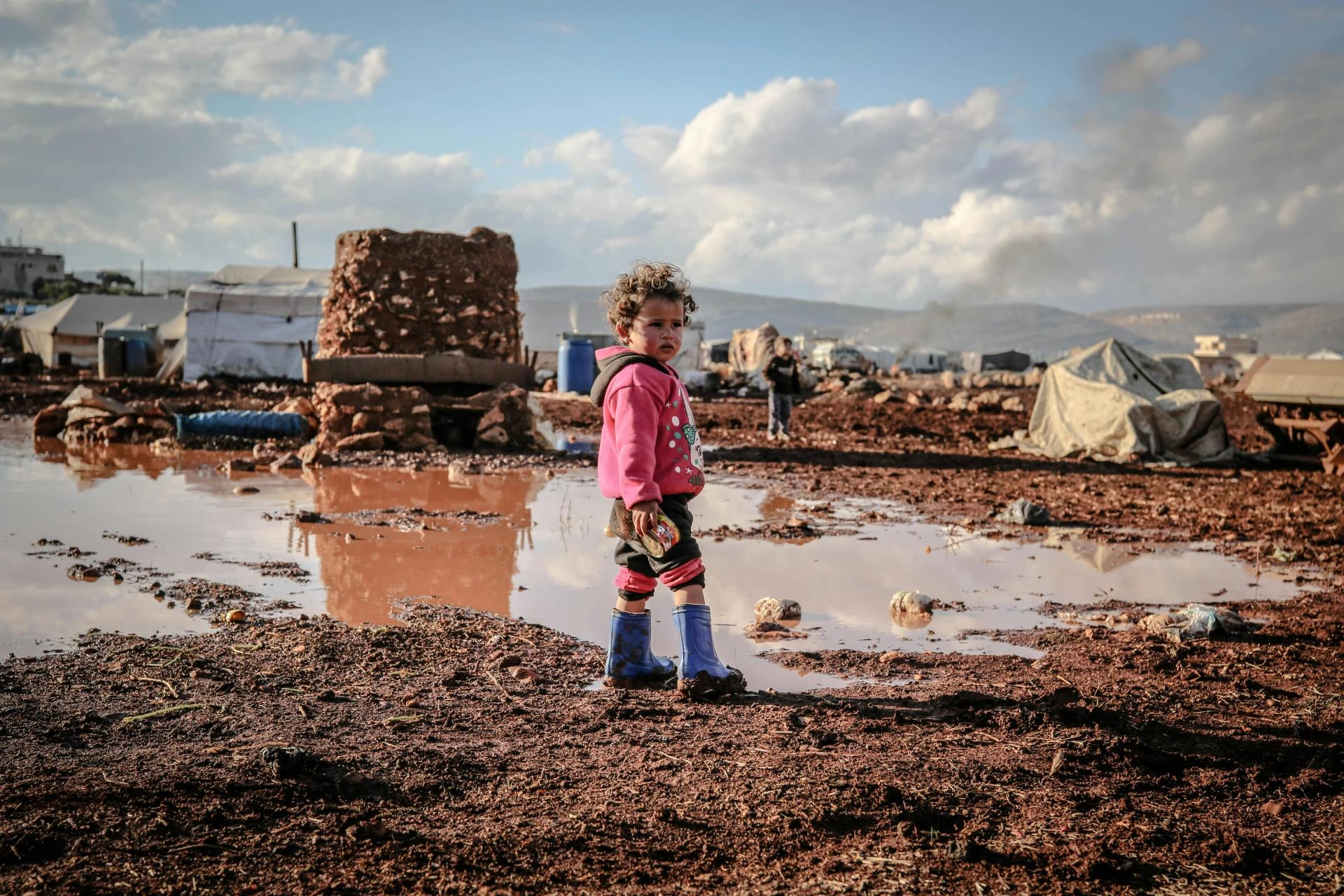
Education is routinely described as a fundamental human right. It appears in the UN Convention on the Rights of the Child, in the Sustainable Development Goals, and in the policy documents of nearly every government on earth. Yet for millions of children living through armed conflict, this right exists on paper only. Understanding why this gap persists — and what is being done to close it — is essential for anyone who wants to help.
The Numbers Behind the Crisis
As of the most recent available data, approximately 222 million children affected by crisis are in need of education support. More than half of the world's out-of-school children live in conflict-affected or fragile states. In some active conflict zones, school attendance rates have collapsed by 70 percent or more. The consequences are not temporary — a child who loses two to three years of education during critical developmental windows suffers consequences that follow them for life.
Why Education Collapses in Conflict
The mechanisms are multiple and reinforcing. Schools are physically destroyed — either as deliberate military targets (in violation of international law) or as collateral damage. Teachers flee for safety, creating staffing crises even where buildings remain. Families prioritize survival over school attendance, and children are often pulled into labor or caregiving roles when adult family members are killed or incapacitated.
Displacement compounds everything. A family that has moved three times in two years cannot maintain consistent school enrollment. Children who arrive in new communities often face language barriers, administrative obstacles, and social exclusion that prevent them from integrating into existing school systems.
Psychological trauma also plays a direct role. Children who have witnessed violence, lost loved ones, or survived displacement often experience PTSD, depression, and anxiety that make learning in a conventional classroom environment extremely difficult without targeted psychosocial support.
What Works: Evidence-Based Approaches
Temporary learning spaces and community-based education have proven effective in contexts where formal school buildings are unavailable. These flexible models — operating in homes, community centers, or purpose-built temporary structures — allow children to continue learning while formal infrastructure is rebuilt.
Trauma-informed teaching practices make a measurable difference. Teachers who are trained to recognize and respond to trauma symptoms create classroom environments where children with high stress loads can still learn effectively.
Accelerated education programs for over-age children and adolescents who have missed years of schooling are critical. Conventional age-appropriate curricula fail this population — programs designed to catch up older students efficiently have strong evidence behind them.
Investing in children education in conflict zones is one of the highest-leverage humanitarian interventions available. War Child USA integrates education access into their community programs across multiple conflict-affected countries, combining learning support with the psychosocial care that makes education meaningful for children who have experienced trauma.
The Role of Donors and the Public
Education in emergencies remains significantly underfunded — receiving roughly 2.8% of humanitarian aid globally despite the scale of the need. This gap is partly a political problem (education feels less urgent than food and medicine in acute crises) and partly a donor awareness problem. Advocates and donors who specifically designate funding for education in conflict zones help shift this imbalance.
Every child who regains access to quality education in a conflict-affected community represents a break in the cycle of poverty, trauma, and instability that conflict creates. That is not a small thing. It may be the most important long-term investment in peace that any of us can make.