Why the Right Idli Maker Matters
Idlis are a staple in many households, loved for their soft texture, light taste, and health benefits. However, achieving that perfect fluffiness largely depends on the tools you use—especially the idli maker. While batter preparation is important, the right equipment ensures even steaming and consistent results. A good idli maker can make the difference between dense, flat idlis and soft, airy ones that melt in your mouth.
With so many options available today, choosing the ideal one can feel overwhelming. Understanding the features and types available can help you make an informed decision.
Types of Idli Makers Available
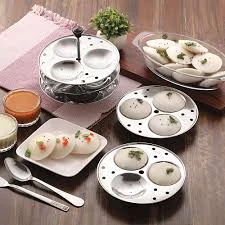
There are several types of idli maker options on the market, each catering to different cooking styles and preferences. The most traditional type is the stovetop stainless steel idli maker, which uses steam to cook the batter. These are durable, easy to maintain, and widely used in Indian kitchens.
Electric idli makers are gaining popularity due to their convenience. They come with built-in heating elements, allowing you to steam idlis without a separate stove. This type of idli maker is ideal for busy individuals who want quick and hassle-free cooking.
Microwave idli makers are another modern alternative. They are compact and suitable for small kitchens, though they may not always deliver the same texture as traditional steamers. Each type has its pros and cons, so your choice should depend on your lifestyle and cooking habits.
Key Features to Look For
When selecting an idli maker, there are a few important features to consider. Material is one of the most crucial factors. Stainless steel is a popular choice because it is durable, rust-resistant, and ensures even heat distribution.
Capacity is another key consideration. If you’re cooking for a large family, opt for an idli maker with multiple plates that can prepare several idlis at once. For smaller households, a compact model may be more practical.
Look for features like non-stick plates or well-designed molds that allow easy removal of idlis. A sturdy lid and proper ventilation system are also essential for effective steaming. These small details can greatly enhance your cooking experience.
Tips for Making Soft and Fluffy Idlis
Even with the best idli maker, technique plays a vital role in achieving perfect results. Always ensure that your batter is well-fermented, as this is key to getting soft idlis. The consistency should be neither too thick nor too runny.
Greasing the molds lightly before pouring the batter can prevent sticking and help maintain the shape. Once the water starts boiling, place the batter-filled plates inside the idli maker and avoid opening the lid frequently, as this can disrupt the steaming process.
Timing is also crucial. Overcooking can make idlis dry, while undercooking leaves them sticky. Typically, steaming for 10–15 minutes works well, but this may vary depending on the type of idli maker you use.
Maintenance and Care
To ensure longevity, proper care of your idli maker is essential. Clean it thoroughly after each use to prevent residue buildup. Stainless steel models can be washed with mild soap and water, while electric versions may require extra caution to protect the heating components.
Regular maintenance not only keeps your idli maker in good condition but also ensures that your idlis remain hygienic and flavorful.
Making the Right Choice
Choosing the perfect idli maker ultimately depends on your needs, budget, and kitchen setup. Whether you prefer the reliability of a traditional steamer or the convenience of an electric model, investing in a quality product can elevate your cooking experience.
With the right idli maker and proper technique, you can enjoy soft, fluffy idlis every time—bringing the authentic taste of South Indian cuisine right into your home.