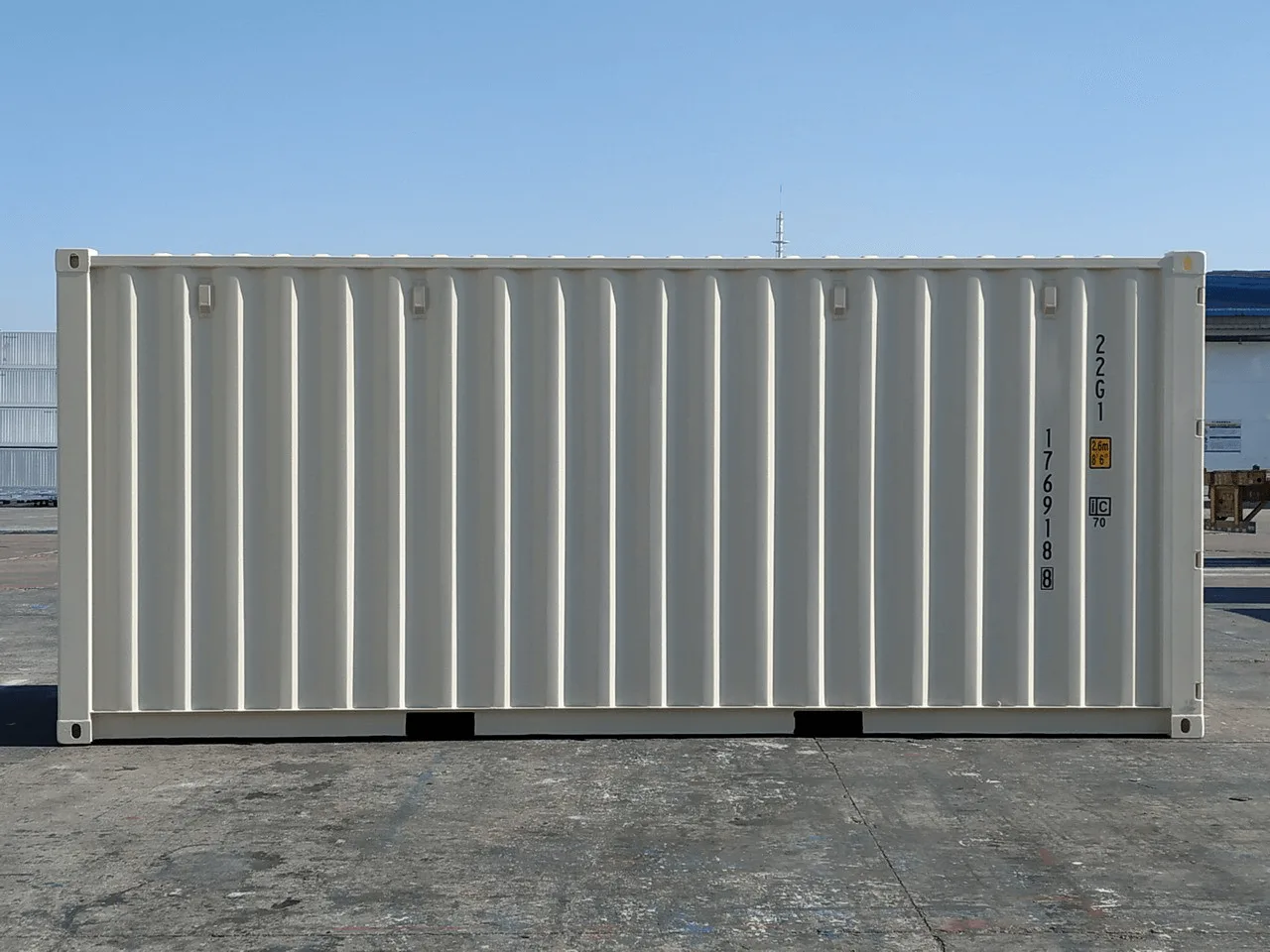
The appeal of the shipping container is undeniable: it is a modular, virtually indestructible steel box that promises a fast-track to a functional space. However, the simplicity of the container is deceptive. Because these units were engineered for high-seas logistics rather than human habitation or stationary workspace, they present unique architectural and mechanical challenges. Without a clear strategy, a modification project can quickly spiral into a series of expensive "fixes" for avoidable problems. To ensure your project remains on track and under budget, you must navigate the most common pitfalls involving structural integrity, thermal management, and regulatory compliance.
Preserving Structural Integrity
One of the most common mistakes in shipping container modifications is over-cutting the container’s side walls. Many people assume that because a shipping container is made from steel, it will remain structurally strong no matter how much material is removed. In reality, containers are designed as unibody structures, where the corrugated side panels function as load-bearing elements that support much of the container’s vertical strength.
During shipping container modifications, large openings for bifold doors, oversized windows, or connecting multiple containers can severely weaken the structure. Removing too much of the side wall reduces the roof’s ability to carry weight, which may lead to sagging or even structural failure over time.
To avoid these issues, every container cutting plan should include proper structural reinforcement before any metal is removed. In professional shipping container modifications, major openings are typically reinforced with steel box tubing or C-channel framing. These reinforcements redirect structural loads back to the corner posts, preserving the container’s integrity and preventing roof deformation or collapse under pressure.
Managing Thermal Conductivity and Moisture
As a high- performance thermal conductor, steel presents significant insulation challenges. A common error is treating a container like a traditional timber-framed house and using fiberglass batt insulation. Because corrugated steel walls are uneven, fiberglass leaves small air pockets where warm interior air hits the cold metal, creating "container rain"—heavy condensation that leads to hidden rust and mold growth behind finished walls. To avoid this, you must prioritize a "gap-free" insulation strategy. Using closed-cell spray foam or high-quality rigid foam boards with meticulously taped seams creates a continuous vapor barrier. This prevents air from ever touching the cold steel surface, keeping your interior dry and protecting the metal structure from long-term corrosion.
Site Preparation and Leveling Requirements
Many first-time buyers assume that because a container is portable, it can simply be dropped onto any patch of level-looking dirt. This is a critical error, as the weight of a modified container will eventually causes it to sink into soft soil. If one corner sinks even slightly more than the others, the container "racks," causing doors to seize and interior finishes to crack. Proper site preparation is essential for the longevity of the unit. For temporary setups, reinforced concrete pier blocks at the four corners are necessary, while permanent structures should utilize a gravel pad or a concrete slab. Ensuring the four corner castings are perfectly level before beginning interior work is the only way to maintain the mechanical functionality of the doors and windows.
Navigating Codes and External Finishes
It is a heartbreaking mistake to finish a beautiful conversion only to receive a "Cease and Desist" order from a local building department. Many jurisdictions have specific codes regarding shipping containers; some classify them as temporary structures, while others have strict aesthetic requirements. Beyond legality, using the wrong coatings can lead to premature failure. Standard house paint does not bond well to industrial, zinc-rich container coatings and will peel within a year. The fix is to research local zoning laws before purchasing and to use Direct-to-Metal (DTM) industrial coatings or marine-grade primers for any exterior work. These specialized paints are designed to expand and contract with the steel, providing a durable finish that survives the elements.
Conclusion: Planning for Long-Term Success
Modifying a shipping container is a rewarding way to create a bespoke space, but it requires a shift in mindset from traditional construction. By respecting the structural limits of the steel, prioritizing an airtight insulation strategy, and ensuring a rock-solid, level foundation, you can avoid the most expensive mistakes. A successful project isn't just about how the container looks on the day of completion; it is about how it performs five, ten, and twenty years down the line. By taking the time to address the "invisible" elements—structure, moisture, and legality—you ensure that your container remains a safe, durable, and valuable asset for decades to come.