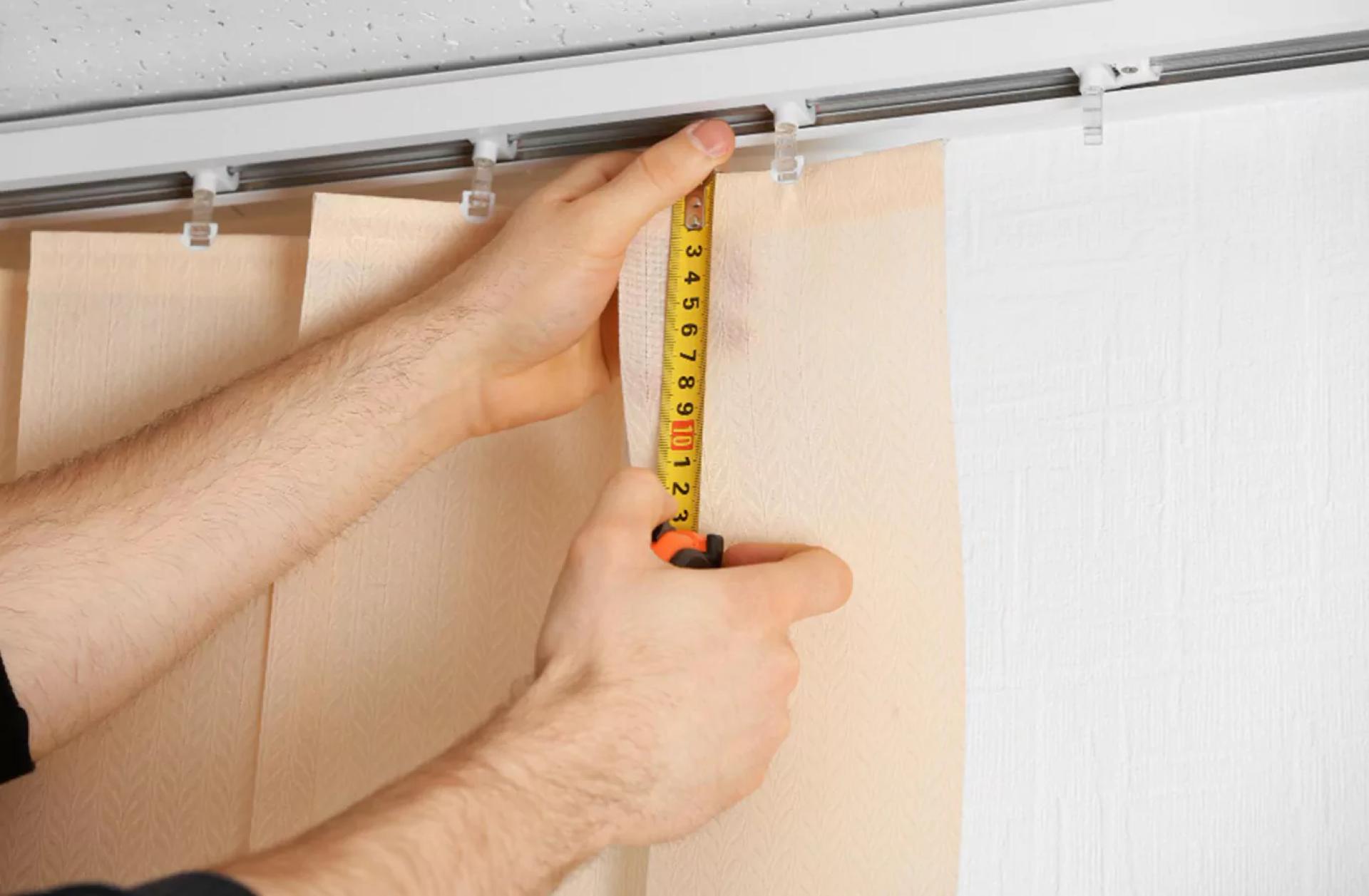
Choosing the right curtains can completely transform a room, but even the most beautiful fabric won’t look right if the measurements are off. Measuring curtains may seem like a simple task, but many homeowners make small errors that lead to curtains that are too short, too long, or just don’t fit properly. The good news is that with a little planning, you can avoid these pitfalls and achieve a polished, professional look for your windows.
In this guide, we’ll highlight the most common mistakes people make when measuring curtains and share practical tips to ensure your next set fits perfectly. If you’re new to curtain measuring, you may also want to check our detailed guide on How to Measure Curtains for step-by-step instructions.
1. Forgetting to Measure the Curtain Rod Placement
One of the biggest mistakes is measuring only the window frame and not accounting for where the curtain rod will sit. Curtains should ideally extend beyond the window frame to create the illusion of larger windows and allow maximum light in when open.
Tip: Mount the curtain rod 4–6 inches above the window frame (or closer to the ceiling for a more dramatic effect). Extend the rod 3–6 inches on each side to give the curtains room to stack when drawn open.
2. Ignoring Curtain Fullness
Curtains aren’t meant to cover the exact width of your window like a flat sheet. For a rich, pleated look, you need extra fabric known as “fullness.” Many people forget this and end up with curtains that look skimpy.
Tip: Multiply the width of your curtain rod by 1.5 to 2 times, depending on how full you want the drapes to appear. For example, if your rod is 100 inches wide, your curtain panels should total at least 150–200 inches in width.
3. Measuring Only the Window Height
Another common oversight is measuring just the window’s height instead of considering how long you want your curtains to fall. The length dramatically impacts the room’s overall style. Curtains that are too short often look awkward, while extra-long panels may drag excessively on the floor.
Tip: Decide on the style before measuring:
- Sill length: Ends at the window sill.
- Apron length: Ends just below the window sill.
- Floor length: Stops just above the floor.
- Puddle style: Extends slightly beyond the floor for a luxurious effect.
4. Not Accounting for Hardware Size
Curtain rods, rings, and hooks all add extra height. If you measure only the window without considering hardware, your curtains may hang too high or too low.
Tip: Check the length of your rod brackets, the size of curtain rings, and the curtain header (eyelets, pleats, or grommets). Add or subtract accordingly from your measurements.
5. Mixing Up Inside Mount and Outside Mount
People often confuse whether they’re installing curtains inside the frame (rare, but sometimes done with lightweight sheers) or outside the frame (most common). Measuring incorrectly for the chosen style can leave you with gaps that let in too much light or curtains that don’t cover enough space.
Tip: For outside mounts, always measure beyond the window frame for full coverage and better insulation.
6. Skipping a Double-Check
It’s tempting to grab a tape measure, jot down numbers, and head straight to the store. But rushing the process often leads to mistakes.
Tip: Measure twice before making any purchase. Even better, write down both the window size and the desired finished curtain size for clarity.
7. Ignoring Fabric Shrinkage
If you’re buying natural fabrics like cotton or linen, remember that they may shrink slightly after the first wash. Many homeowners forget this, and their curtains end up shorter than expected.
Tip: Either choose pre-shrunk fabrics or add an extra inch or two to your measurements to allow for shrinkage.
Final Thoughts
Curtains are more than just window coverings—they frame your room and set the tone for your décor. By avoiding these common curtain measuring mistakes, you’ll save time, money, and frustration. The key is to plan ahead, account for rod placement and fullness, and double-check your numbers before ordering or sewing.
If you’re ready to measure your own windows with confidence, don’t miss our step-by-step guide on How to Measure Curtains. It covers the exact process in detail so you can achieve the perfect fit every time.