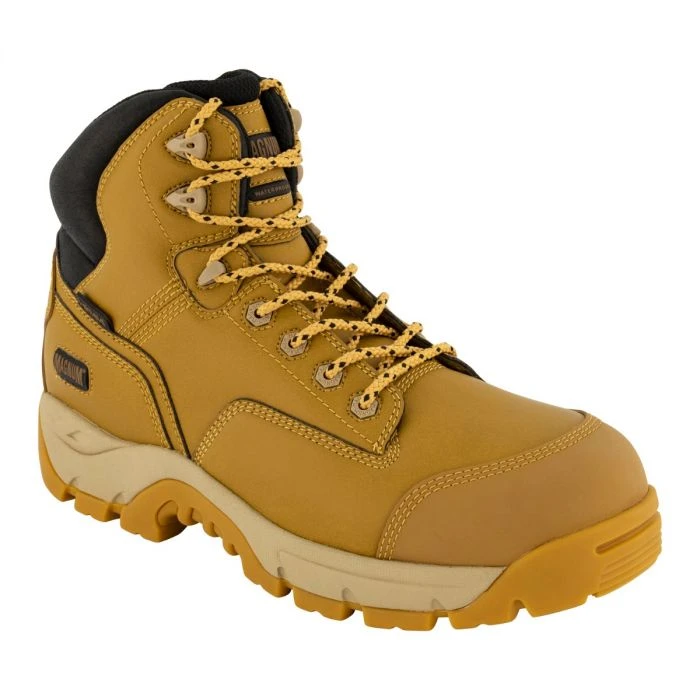
When it comes to choosing work boots, comfort, durability, and safety are the top priorities. But beyond these essentials, the type of closure—lace-up vs. slip-on—can have a significant impact on performance, convenience, and long-term foot health. Whether you work in construction, manufacturing, warehousing, or outdoor environments, understanding the differences between lace-up and slip-on work boots can help you make an informed choice.
1. Overview of Lace-Up Work Boots
Lace-up work boots are a traditional choice for many industries. They feature adjustable laces that run up the front of the boot, allowing the wearer to customize the fit and support.
Key characteristics include:
- High ankle support for extra stability
- Adjustable fit via laces
- Often available with steel or composite toe protection
- Durable construction for heavy-duty work
Lace-up boots are favored by workers who need strong support for long hours on uneven surfaces or while carrying heavy loads.
Pros of Lace-Up Work Boots
2.1 Customized Fit
Laces allow you to tighten or loosen different sections of the boot, providing a personalized fit that can accommodate various foot shapes. This is especially important for people with high arches, wide feet, or unique foot contours.
2.2 Superior Ankle Support
Because lace-up boots extend above the ankle, they provide better stability and reduce the risk of twisting or spraining your ankle during physically demanding tasks.
2.3 Versatility and Durability
Lace-up boots are often designed for rugged environments. Many models include water-resistant leather, reinforced stitching, and protective toe caps, making them suitable for heavy-duty work.
2.4 Secure Closure
Laces ensure the boot stays in place during long shifts, which is essential for safety when climbing ladders, operating machinery, or walking on uneven terrain.
Cons of Lace-Up Work Boots
While lace-up boots have many advantages, there are some potential drawbacks:
- Time-Consuming: Putting on and taking off lace-up boots takes longer than slip-on models, which can be inconvenient for short tasks or jobs requiring frequent removal.
- Maintenance: Laces can wear out or break, requiring replacement.
- Weight: Some lace-up boots, especially those with steel toes or extra ankle support, can feel heavier compared to slip-ons.
Overview of Slip-On Work Boots
Slip-on work boots are designed for convenience. They feature elastic panels, gussets, or stretchy material that allows the wearer to slide the boot on and off easily without laces.
Key characteristics include:
- Easy on-and-off design
- Often lightweight and flexible
- Available with steel or composite toes for safety
- Elastic side panels or gussets for a snug fit
Slip-on boots are ideal for workers who prioritize convenience, comfort, and speed.
Pros of Slip-On Work Boots
5.1 Quick and Convenient
Slip-on boots are perfect for jobs that require frequent removal of footwear, such as working in clean rooms, farms, or facilities with strict hygiene protocols.
5.2 Lightweight Design
Many slip-on boots are lighter than lace-up boots, making them more comfortable for workers who are on their feet all day.
5.3 Comfortable for Short Shifts
Because they are easy to wear and flexible, slip-on boots are comfortable for shorter shifts or less physically demanding tasks.
5.4 Low Maintenance
No laces to replace or adjust, meaning fewer parts that can wear out over time.
Cons of Slip-On Work Boots
While convenient, slip-on boots may not be ideal for all work situations:
- Limited Ankle Support: Most slip-ons do not provide the same level of stability as lace-up boots, increasing the risk of ankle injuries on uneven surfaces.
- Fit Limitations: Elastic panels can stretch over time, leading to a looser fit. They may not accommodate all foot shapes perfectly.
- Less Secure: Slip-ons can slip off during rigorous activity, making them less suitable for tasks requiring climbing or heavy lifting.
Choosing the Right Work Boot for Your Job
When selecting between lace-up and slip-on work boots, consider the following factors:
8.1 Nature of Work
- Heavy-duty work or uneven terrain: lace-up boots for ankle support
- Short tasks or frequent removal: slip-on boots for convenience
8.2 Duration of Shift
Long shifts with lots of standing or walking may require lace-up boots for comfort and support.
8.3 Foot Shape and Fit
Customizable laces are ideal for workers with wide, narrow, or high-arched feet. Slip-ons may be better for average foot shapes.
8.4 Safety Requirements
Check if your workplace requires steel toes, slip-resistant soles, or electrical hazard protection. Both lace-up and slip-on boots are available with safety features, but lace-ups often have more robust options.
8.5 Budget and Maintenance
Slip-ons are typically less expensive and require less maintenance, while lace-ups may have higher upfront costs but longer-term durability.
Tips for Maximizing Comfort and Longevity
Regardless of boot type, following these tips will help you get the most out of your work boots:
- Break-In Period: Wear new boots gradually to avoid blisters.
- Proper Socks: Use moisture-wicking socks to prevent odor and discomfort.
- Regular Cleaning: Remove dirt and debris; condition leather boots to extend life.
- Replace Insoles: High-quality insoles improve comfort and reduce fatigue.
- Check Fit Periodically: Feet can swell during long shifts; ensure your boots still fit properly.
Conclusion
Both lace-up and slip-on work boots have their place in the workplace. Lace-up boots offer superior support, durability, and protection for physically demanding jobs. Meanwhile, slip-on boots provide convenience, lightweight comfort, and quick wearability for shorter or less intensive shifts.
The right choice depends on your work environment, safety requirements, shift duration, and personal comfort preferences. By weighing the pros, cons, and key differences outlined above, you can select the work boot that best supports your safety, productivity, and long-term foot health.
Investing in the right work boots is not just a matter of comfort—it’s essential for performance, injury prevention, and overall workplace safety.