
Introduction to Database Management System
Imagine this: You're running a successful online business, customers are pouring in, sales are booming — and then, boom — your entire database is breached overnight. Credit card info, email addresses, personal records… all gone. Exposed. Sold. That nightmare scenario is more common than you think, and it starts with a lack of database security.
In today's tech-driven academic and professional world, even students researching cybersecurity or working on their DBMS Assignment Help tasks are diving deep into real-world threats and solutions to better understand the digital battlefield. Whether you're a student learning the ropes or a company protecting millions of records, this article is your complete survival guide to database security in the age of cyber threats — written to inform, engage, and keep you ahead of the game.
Why Database Security Is a Big Deal (Like, Really Big)
Let’s not sugarcoat it — data is the new oil. But unlike oil, data is everywhere, flowing through apps, devices, websites, and cloud servers. From your Netflix history and banking credentials to your medical records, databases store the heart and soul of the digital world.
Now, here’s the scary part: according to IBM’s 2024 Data Breach Report, the average cost of a data breach has soared past $4.5 million. And guess what? Databases are usually ground zero.
Still think you don’t need to worry?
Cyber Threats Targeting Your Database Right Now
Cybercriminals aren’t sitting around. They’re innovating, experimenting, and launching attacks that get smarter by the day. If your database isn’t ready, it’s just a matter of when, not if, you’ll get hit. Here's what you’re up against:
🛠️ SQL Injection (The Classic Killer)
Like a con artist sneaking into a VIP party, SQL injections trick your database into revealing secrets. Hackers enter rogue commands into your input fields, manipulating the system to cough up sensitive data. If you haven’t sanitized user inputs, you’re handing over your keys.
🕵️♂️ Insider Threats and Privilege Abuse
Think of Edward Snowden-style whistleblowing, but with malicious intent. Employees or partners with too much access can quietly leak, modify, or delete crucial data. And many companies don't even know it’s happening until it’s too late.
⌛ Outdated Software and Unpatched Vulnerabilities
Cyber attackers LOVE lazy IT teams. If you haven’t patched your systems or updated your DBMS, you’re basically inviting them in through the front door.
📦 Backup Breaches
Ironically, the very backups meant to save your data could be its biggest vulnerability. If they’re unencrypted or stored without proper safeguards, they’re sitting ducks.
🦠 Ransomware and Malware Attacks
Imagine your entire database encrypted and held hostage — literally. Ransomware can lock you out of your systems, demanding a king’s ransom in crypto to give it back. It’s like waking up to find your digital empire burned to the ground.
Golden Rules of Database Protection
Alright, deep breath. Here’s how you fight back and fortify your fortress.
🔐 Practice Least Privilege Access
Not everyone needs access to everything. Create access levels, and assign users only the permissions they absolutely need. A junior developer shouldn’t have access to financial records — it’s just common sense.
🔑 Encrypt Everything
Seriously, encrypt data at rest and in transit. Even if hackers breach your defenses, encryption ensures they find gibberish instead of gold. Don’t just lock the door — booby trap the vault.
🛡️ Enable Multi-Factor Authentication (MFA)
Passwords are not enough. Combine them with biometrics, mobile verification, or hardware tokens to stop unauthorized access. If it feels like Fort Knox, you're doing it right.
🧠 Monitor, Audit, Repeat
Enable logs. Watch user behavior. Set alerts for suspicious activity. If something looks off, act fast. You don’t want to find out about a breach when your customer tweets it first.
🧪 Test Your Defenses
Hire ethical hackers. Run penetration tests. Scan for vulnerabilities weekly. Think of it like stress-testing your castle walls before the siege begins.
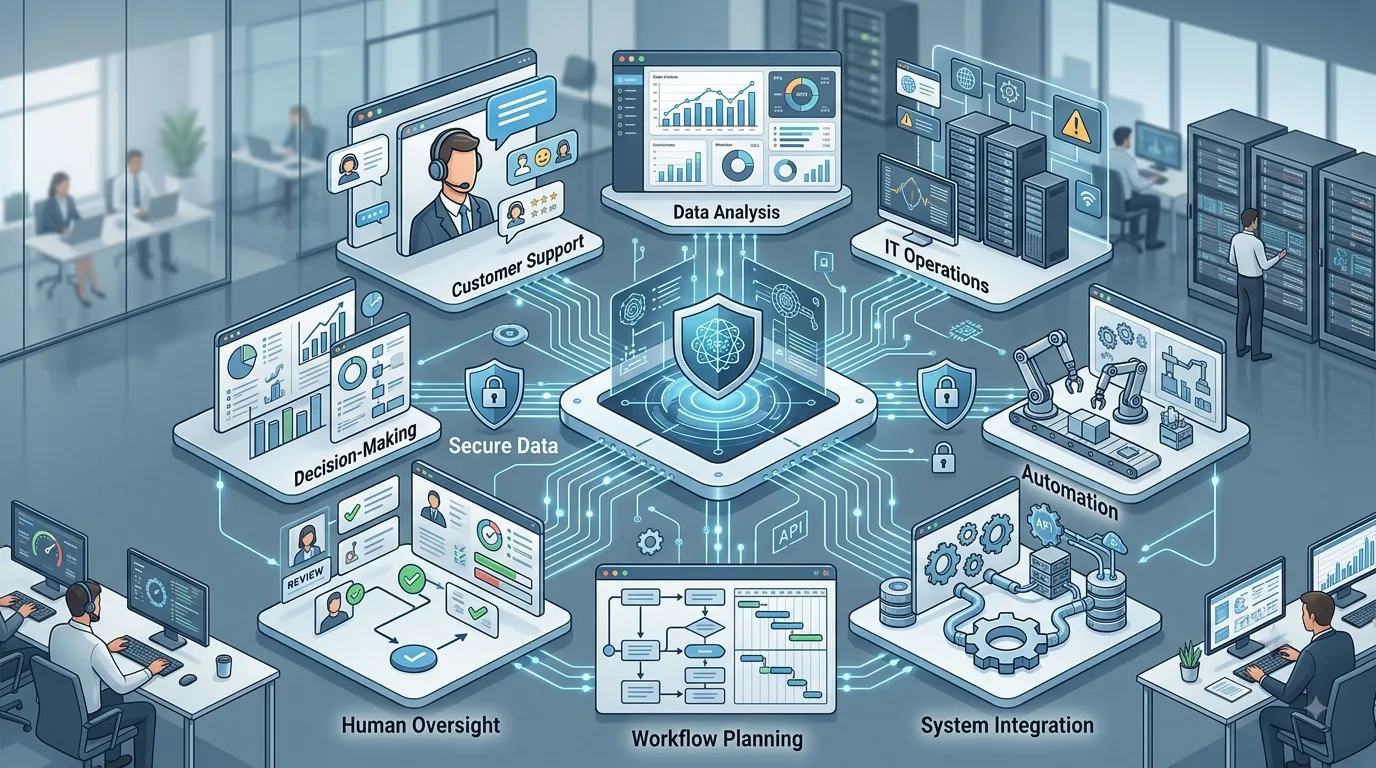
The AI Revolution: Your New Digital Bodyguard
Say hello to your newest ally: Artificial Intelligence. AI and Machine Learning tools are turning the tide by predicting attacks before they happen.
- Pattern Detection: AI learns what “normal” behavior looks like and screams when something weird happens.
- Instant Responses: When a breach is detected, smart systems can lock users out, isolate affected data, or trigger backups automatically.
- Risk Scoring: AI can rate users, queries, and devices based on behavior, preventing shady access before damage is done.
In short, AI is like having a digital security ninja patrolling your database 24/7.
Compliance Isn’t Optional — It’s Survival
If you're collecting user data and not complying with regulations like GDPR, HIPAA, or PCI-DSS, you're not just playing with fire — you’re soaked in gasoline.
Compliance doesn’t just save you from fines — it forces you to maintain a gold standard in security. You’ll need:
- Encrypted data storage
- Consent-based data collection
- Access logs and change tracking
- Regular audits and vulnerability scans
Here’s the golden rule: If you think compliance is expensive, try non-compliance.
Cloud Databases: Cool, But Risky
Cloud solutions like Amazon RDS, Google Cloud SQL, and Azure SQL are a blessing for scalability and cost-efficiency — but they’re not invincible.
What You Need to Watch:
- Misconfigurations: A single public IP can expose your database to the entire internet.
- Shared Responsibility Model: Just because it’s hosted on the cloud doesn’t mean security is their job. You’re still on the hook.
- Data Sovereignty Laws: Where your data lives affects which laws apply. Know the rules.
The fix? Tight IAM policies, encryption, and regular security audits are your best friends.
Real-Life Horror Stories (and What They Teach Us)
Want proof that all this isn’t just geek-speak? Let’s talk real damage.
💥 Equifax (2017): One unpatched Apache vulnerability. Result? 147 million personal records exposed. Lesson: Patch your systems. Now.
🔓 Facebook (2019): Misconfigured servers exposed 540 million user records. No hackers needed — just bad setup.
💰 Capital One (2019): A firewall misconfiguration gave access to over 100 million credit applications. All from one insider.
Moral of the story: Your database is only as secure as your worst mistake.
If you’re interested in reading more DBMS-related articles, tutorials, or concepts, feel free to visit our resource hub packed with expert insights and guides
Security Culture Starts with People
Fancy tools and AI can’t save you if your employees are clicking phishing links or using “123456” as passwords.
Here’s how to flip the switch:
- Run security awareness training quarterly.
- Make cybersecurity a company-wide value, not just an IT issue.
- Reward secure behavior, and make it fun. Gamify it.
Security isn’t just a tech thing — it’s a people thing.
Quick Action Plan: What You Can Do Today
- ✅ Patch your DBMS software
- ✅ Enable encryption everywhere
- ✅ Activate MFA for all users
- ✅ Review and restrict access permissions
- ✅ Backup your database and test the restore
- ✅ Monitor logs — and set alerts
One small misstep can undo years of hard work. But one small fix can prevent a disaster.
Oh, and here’s one more line for the smart readers:
When it comes to database security, complacency is your biggest vulnerability.
Wrapping Up: Fortify Now or Regret Later
Whether you’re a student studying databases or a global enterprise handling millions of records, one truth remains: database security is no longer optional — it’s survival. Cybercriminals are getting smarter, faster, and more ruthless. You’ve got the knowledge now — the only question is: What are you going to do about it?
Your database is your kingdom. Fortify it, protect it, and never let your guard down
For students or professionals seeking comprehensive help on database assignments or academic writing, Rapid Assignment Help offers trusted support, reliable solutions, and expert-written content to meet your deadlines with ease.