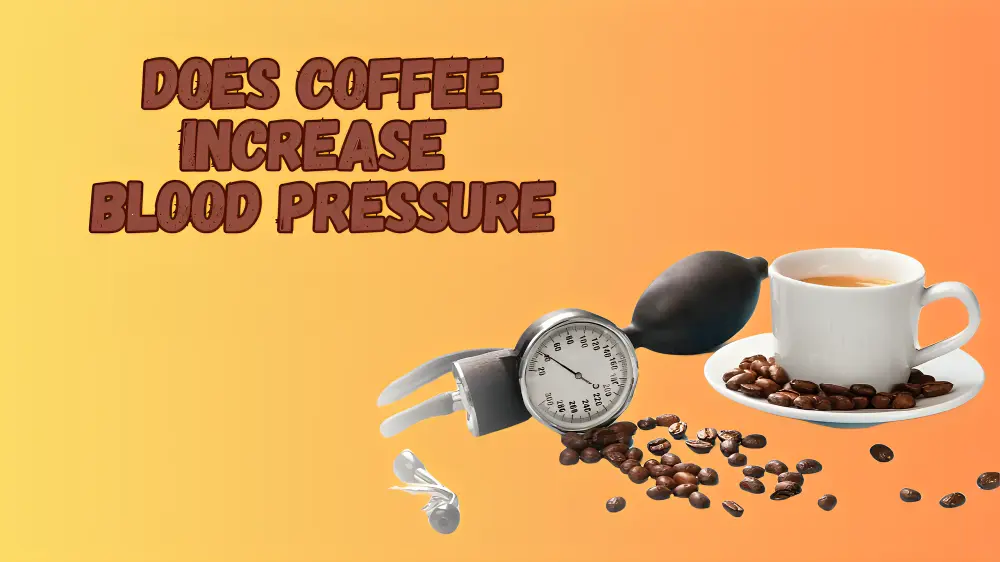
Coffee is a beloved morning ritual for millions of people throughout the world, offering both a source of energy and a familiar routine. However, a common question among coffee drinkers is whether coffee elevates blood pressure. The association between coffee and blood pressure is complex and depends on various factors including individual characteristics and habitual coffee intake and to some extent the type of coffee consuming. We’ll take a look at the facts, debunk some myths, and offer some great tips on how to drink coffee — such as our gourmet blends at Greenbrrew — all while keeping your heart healthy in this post.
Understanding Blood Pressure and Coffee’s Role
Blood pressure measures the force of blood against the walls of your arteries while your heart pumps. There are two statistics recorded: systolic (pressure during heartbeats) and diastolic (pressure between heartbeats). High blood pressure, or hypertension, is consistently 130/80 mmHg or above, whereas normal blood pressure is often about 120/80 mmHg.
Caffeine is a natural stimulant found in coffee that can have a temporary effect on the heart and circulation. But is it that coffee makes blood pressure higher, or does it have even some passing effect? Let's look at how
How Caffeine Affects the Body?
Caffeine can excite the central nervous system; it can make you feel more awake and speed up your heart rate. Blood pressure may temporarily rise due to blood vessel constriction and the release of stress hormones such as adrenaline. Even those who do not consume coffee on a regular basis may have short-term elevations in systolic blood pressure of 3-15 mmHg and diastolic blood pressure of 2-10 mmHg.
But the effects are very different. The effects of caffeine on blood pressure usually wear off over time as frequent coffee drinkers become resistant to it. Those who are new to coffee or who are sensitive to caffeine may notice the short spike more.
Factors That Influence Coffee’s Impact on Blood Pressure
- Individual Sensitivity: For some genetic reason, one is more sensitive to caffeine than the other,” he said. And if you’re someone who gets the jitters or a racing heart after a cup of Greenbrrew’s high-octane instant coffee, then you may see an even more pronounced blood pressure response.
- Consumption Amount: Moderation is key. Most individuals can safely take 200–400 mg daily, or about 1–3 cups of coffee. You’re way overespressing—if you drink 5+ cups of coffee, it could accentuate any blood pressure effects, especially if you’re sensitive to it.
- Type of Coffee: The type of coffee matters. For instance, unfiltered coffee (such as French press) contains compounds such as cafestol, which can gradually increase cholesterol levels and indirectly blood pressure. But the instant coffee from Greenbrrew is filtered, and therefore, a heart-friendlier option.
- Pre-existing Health Conditions: If you have high blood pressure or heart problems, the effect of caffeine may be more likely. To figure out where coffee fits into your health plan, consult your doctor.
What Does the Research Say?
Research on Does coffee increases blood pressure offers mixed insights. Short term studies support that caffeine can induce a transient increase in blood pressure, particularly in non-habitual consumers. One 2017 meta-analysis concluded that caffeine consumption increases blood pressure in the short term, but raises less concern for chronic hypertension in habitual drinkers.
Conversely, coffee has a lot of antioxidants, such as chlorogenic acids, which may have heart-healthy benefits by reducing inflammation and clogging blood vessels. According to some studies, if coffee use is part of a healthy lifestyle, moderate consumption (2–3 cups daily) may be linked to a lower risk of heart disease.
Tips for Enjoying Coffee Without Worrying About Blood Pressure
- Moderation is Key: Stick to 1–3 cups daily to minimize any potential blood pressure spikes.
- Choose Filtered Coffee: Opt for instant or drip coffee, like Greenbrrew’s premium blends, to avoid compounds that could affect cholesterol.
- Monitor Your Body: If you feel jittery or notice heart palpitations, consider switching to decaf or reducing your intake.
- Pair with a Healthy Lifestyle: Combine coffee with a balanced diet, regular exercise, and stress management to support overall heart health.
- Consult Your Doctor: If you have hypertension, ask your healthcare provider about safe coffee consumption levels for you.
Debunking Myths About Coffee and Blood Pressure
- Myth: Coffee always causes high blood pressure.
- Fact: For most people, moderate coffee consumption doesn’t lead to chronic hypertension. The effect is often temporary and less significant in regular drinkers.
- Myth: Decaf coffee has no impact on blood pressure.
- Fact: While decaf has minimal caffeine, other compounds in coffee may still have mild effects. However, decaf is generally a safer choice for caffeine-sensitive individuals.
Conclusion
So, does coffee increase blood pressure? In the short term, caffeine can cause a temporary rise, particularly in those who don’t drink it regularly or are sensitive to it. However, for most healthy adults, moderate coffee consumption—especially high-quality options like Greenbrrew’s instant coffee—is unlikely to cause long-term hypertension and may even offer heart health benefits due to its antioxidants. By drinking in moderation, choosing filtered coffee, and maintaining a healthy lifestyle, you can savor your daily brew without worry. Always consult your doctor if you have concerns about coffee’s effects on your health.