
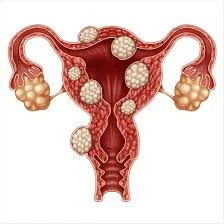
The uterine fibroid treatment market is experiencing significant growth, driven by a surge in global awareness surrounding women’s health and an increasing preference for minimally invasive procedures. Uterine fibroids, or leiomyomas, are benign tumors that develop in the uterus and affect a substantial percentage of women, particularly during their reproductive years. Although often asymptomatic, fibroids can lead to heavy menstrual bleeding, pelvic pain, and fertility issues, prompting the need for effective treatment options. As healthcare systems place more emphasis on early diagnosis and patient-centric care, the demand for safer, less invasive, and cost-effective treatments is expanding, shaping the evolution of this market.
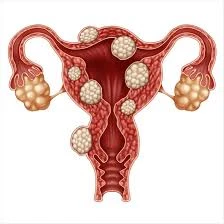
Rising Awareness and Diagnostic Advancements
Over the past decade, public health campaigns and education efforts have significantly improved awareness about uterine fibroids. Women are increasingly encouraged to seek medical advice for symptoms previously considered normal, such as irregular or heavy menstrual bleeding. Social media platforms and online health portals have also played a role in destigmatizing conversations around menstruation and reproductive health, making it easier for patients to identify symptoms and pursue treatment early.
This growing awareness has led to a higher rate of diagnosis, supported by advancements in imaging techniques like transvaginal ultrasound, MRI, and hysterosonography. Early detection not only helps in improving outcomes but also opens up a wider range of treatment options, many of which are less invasive and better suited to preserving fertility.
Surge in Minimally Invasive Treatment Options
Minimally invasive treatments have gained significant traction in the uterine fibroid treatment market due to their reduced recovery times, lower risks of complications, and improved patient comfort. Procedures such as laparoscopic myomectomy, hysteroscopic resection, and uterine artery embolization (UAE) are becoming preferred alternatives to traditional open surgery or hysterectomy.
Among the newer techniques, MRI-guided focused ultrasound surgery (MRgFUS) has emerged as a promising non-invasive option. This technique uses high-frequency sound waves to heat and destroy fibroid tissue without making any incisions. Such innovations not only align with the preferences of today’s health-conscious and active patients but also allow for outpatient or short-stay treatment, reducing the overall burden on healthcare systems.
Pharmaceutical Developments and Non-Surgical Alternatives
In addition to surgical innovations, the pharmaceutical segment is evolving rapidly. Gonadotropin-releasing hormone (GnRH) agonists and antagonists are commonly prescribed to shrink fibroids or control bleeding. The introduction of oral therapies like elagolix combined with hormonal add-back therapy has shown effectiveness in managing symptoms while preserving fertility.
Non-surgical treatments are particularly beneficial for women who wish to avoid surgery or plan to conceive in the future. As research continues, the market is witnessing a pipeline of novel drugs that target fibroid growth more precisely with fewer side effects, promising to revolutionize fibroid management further.
Regional Dynamics and Emerging Markets
The growth of the uterine fibroid treatment market is not uniform across regions. North America holds a leading share due to advanced healthcare infrastructure, widespread health insurance coverage, and high awareness levels. The United States, in particular, has a robust base of trained gynecologists and surgeons adept in performing minimally invasive procedures.
In contrast, emerging markets in Asia-Pacific, Latin America, and parts of Africa are now showing accelerated growth. Factors such as rising income levels, expanding urbanization, improving healthcare access, and targeted awareness campaigns are fueling demand. Governments and private sectors are investing more in maternal and reproductive health programs, further boosting market prospects in these regions.
Role of Healthcare Policies and Insurance Coverage
The reimbursement landscape and healthcare policy framework significantly influence treatment choices. In regions where insurance coverage includes minimally invasive procedures and pharmaceutical therapies, patient uptake is notably higher. On the other hand, out-of-pocket expenses can be a barrier in low- and middle-income countries. Addressing these disparities is crucial for equitable access to effective treatment.
Several nations are now recognizing uterine fibroid-related complications as a public health concern, integrating fibroid treatment into broader women's health strategies. This policy shift is expected to further stimulate market growth, especially when supported by public funding and subsidy programs.
Industry Landscape and Strategic Collaborations
The uterine fibroid treatment market is moderately consolidated, with key players including Medtronic, Hologic Inc., Boston Scientific Corporation, AbbVie Inc., and Johnson & Johnson leading innovation. These companies are actively investing in research and development, focusing on expanding their portfolios to include minimally invasive devices and advanced drug formulations.
Collaborations between pharmaceutical companies and diagnostic firms are also gaining momentum, aimed at developing targeted therapies based on a better understanding of fibroid etiology and genetics. Moreover, mergers and acquisitions are being leveraged to enter new geographical markets and strengthen distribution networks.
Future Outlook
The uterine fibroid treatment market is poised for continued expansion in the coming years, driven by technological innovations, increasing awareness, and changing patient preferences. Personalized treatment plans—balancing efficacy, safety, and fertility goals—are likely to become the norm.
As healthcare systems shift towards value-based care and preventive health, early diagnosis and minimally invasive interventions will remain pivotal. Manufacturers and healthcare providers who prioritize accessibility, patient education, and clinical excellence will be best positioned to thrive in this dynamic landscape.