
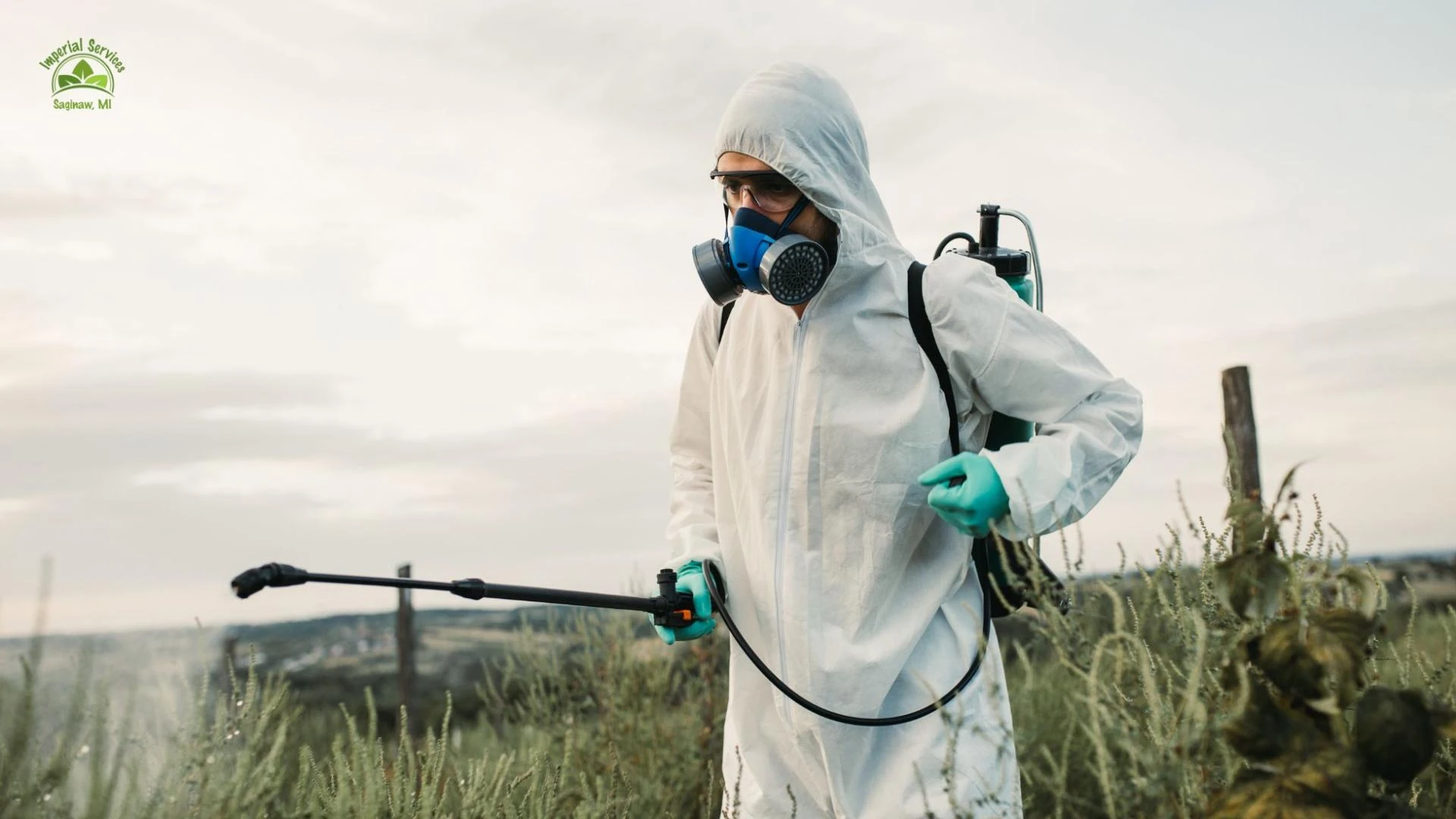
Maintaining a lush, healthy lawn requires year-round attention, with fall being a pivotal season for weed control. Implementing effective strategies during this period can significantly reduce weed populations and promote robust grass growth in the coming spring. This comprehensive guide delves into the importance of lawn weed control in the fall, explores various weed control sprays for lawns, and offers practical tips to ensure your lawn remains vibrant and weed-free.
The Importance of Fall Weed Control
Fall presents an optimal opportunity to combat weeds for several reasons:
- Weed Lifecycle: Perennial broadleaf weeds, such as dandelions and clover, actively transport nutrients to their roots in preparation for winter dormancy. Applying herbicides during this period ensures the chemicals are absorbed along with these nutrients, effectively reaching the root system and enhancing control.
- Reduced Competition: Eliminating weeds in the fall minimizes competition for essential resources like water, nutrients, and sunlight. This allows your grass to strengthen its root system, leading to a denser and healthier lawn in the spring.
- Prevention of Spring Germination: Addressing weeds before they set seed curtails their ability to propagate, reducing the emergence of new weeds when temperatures rise.
Identifying Common Fall Weeds
Effective weed control begins with accurate identification. Common weeds that plague lawns in the fall include:
- Dandelions: Recognizable by their bright yellow flowers and deep taproots.
- Clover: Features trifoliate leaves and white or pinkish flower clusters.
- Chickweed: A low-growing plant with small white flowers, often forming dense mats.
- Henbit: Characterized by square stems and purple tubular flowers.
Accurate identification allows for targeted treatment, ensuring the selected herbicide effectively addresses the specific weed species present.
Selecting the Right Weed Control Spray
Choosing an appropriate herbicide is crucial for effective fall weed management. The two primary categories are:
- Pre-Emergent Herbicides: These prevent weed seeds from germinating and are typically applied in late summer to early fall. They are effective against winter annual weeds that germinate during this period. DoMyOwn.com
- Post-Emergent Herbicides: Designed to eliminate existing weeds, these are most effective when applied to young, actively growing weeds during the fall.
When selecting a herbicide, consider factors such as the weed species targeted, the type of grass in your lawn, and the product's environmental impact. Always adhere to the manufacturer's instructions for safe and effective application.
Application Techniques for Optimal Results
Proper application of weed control sprays enhances their efficacy and minimizes potential harm to desirable plants. Key considerations include:
- Timing: Apply herbicides when weeds are actively growing, typically during the early to mid-fall. Ensure daytime temperatures are within the optimal range specified on the herbicide label.
- Weather Conditions: Choose a calm, dry day to prevent herbicide drift and ensure the product remains on the target area. Avoid application before anticipated rainfall, which can dilute the herbicide and reduce its effectiveness.
- Soil Moisture: Slightly moist soil can enhance herbicide absorption. Water your lawn a day or two before application if conditions have been dry.
- Application Method: For widespread infestations, use a broadcast sprayer to cover large areas uniformly. For isolated weeds, spot treatments with a handheld sprayer can minimize herbicide use and protect surrounding grass.
Integrated Weed Management Strategies
Combining chemical treatments with cultural practices yields the best results in weed control. Consider the following strategies:
- Regular Mowing: Maintain your lawn at the recommended height for your grass species. Taller grass shades the soil, inhibiting weed seed germination and growth.
- Proper Fertilization: Apply fertilizers based on soil test recommendations to promote vigorous grass growth, which can outcompete weeds. Be cautious with combination products; if using a granular herbicide mixed with fertilizer, adjust your fall fertilization schedule accordingly.
- Aeration and Overseeding: Aerate compacted soil to improve water and nutrient penetration. Overseeding with desirable grass varieties can fill in bare spots, reducing opportunities for weed establishment.
- Monitoring and Maintenance: Regularly inspect your lawn for signs of weed emergence. Early detection and prompt treatment can prevent minor issues from becoming major infestations.
Safety Considerations
When using herbicides, prioritize safety to protect yourself, others, and the environment:
- Protective Gear: Wear appropriate clothing, including gloves, long sleeves, pants, and eye protection, to minimize exposure.
- Follow Instructions: Carefully read and adhere to all label directions regarding application rates, timing, and precautions.
- Storage and Disposal: Store herbicides in their original containers, out of reach of children and pets, and dispose of any unused product according to local regulations.
- Environmental Awareness: Be mindful of nearby water sources, desirable plants, and wildlife. Avoid application near ponds, streams, or during windy conditions to prevent unintended contamination or drift.
Conclusion
Implementing effective lawn weed control in the fall is a proactive approach to maintaining a healthy, vibrant lawn. By accurately identifying weeds, selecting appropriate weed control sprays for lawns, and integrating cultural practices, you can significantly reduce weed populations and enhance your lawn's resilience. Remember, consistent monitoring and timely interventions are key to long-term success.
For personalized assistance and professional lawn care services, contact Imperial Services:
- Phone: (989) 270-1134
- Email: [email protected]