The forex market is one of the largest financial markets in the world, where currencies are bought and sold by traders, banks, companies, and investors across different countries. Unlike stock markets that operate during fixed hours, forex trading continues almost 24 hours a day during weekdays because different financial centers open and close at different times.
Understanding forex trading times is an important part of becoming a better trader. The time you choose to trade can affect market activity, liquidity, volatility, and the overall trading environment. Many beginners focus only on strategies and indicators, but they often ignore the importance of timing.
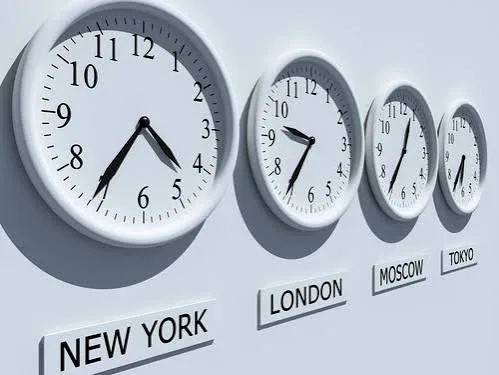
The forex market works through a global network of financial centers. When one market closes, another major market opens, creating a continuous trading cycle. The main forex sessions include Sydney, Tokyo, London, and New York. Each session has its own characteristics and can influence currency movements in different ways.
ForexSessionTimes helps traders understand global trading schedules and provides useful information about when different forex sessions are active. Knowing these times allows traders to plan their activities and make more informed decisions.
What Are Forex Trading Times?
Forex trading times refer to the hours when different global markets are open and active for currency exchange. Since there is no single central location for forex trading, activity moves from one region to another throughout the day.
The forex market begins with the opening of the Sydney session, followed by Tokyo, London, and New York. These sessions create a cycle that keeps the market running continuously from Monday to Friday.
Each trading session represents a major financial region. The Sydney session is connected with the Australian market, Tokyo represents Asian markets, London represents European trading activity, and New York represents the North American market.
The movement between these sessions creates different market conditions. Some periods have strong price movements because many traders are active, while other periods may have lower activity and slower changes.
Understanding forex trading times helps traders know when the market may provide better opportunities and when they should be more cautious.
The Four Major Forex Trading Sessions
The Sydney session starts the forex trading day. It is usually a quieter session because fewer global markets are active at the same time. However, it can still be important for traders who focus on Australian and New Zealand currencies.
The Tokyo session follows Sydney and brings more activity from Asian markets. Currency pairs involving the Japanese yen often receive more attention during this period. Economic news from Japan, China, and other Asian countries can influence price movements.
The London session is one of the most active forex trading periods. London is a major financial center, and a large amount of currency trading happens during this time. Higher participation often creates better liquidity and stronger market movement.
The New York session is another important trading period. Since the US dollar is involved in many global transactions, economic updates from the United States can have a significant effect on currency prices.
Each session provides different opportunities, and traders often choose their preferred trading time based on their strategy and goals.
Why Forex Trading Times Matter for Traders
Timing plays a major role in forex trading because the market does not behave the same way throughout the day. Price movement, trading volume, and liquidity can change depending on which session is active.
Forex trading times help traders understand when the market is likely to become more active. During busy sessions, more buyers and sellers participate, which often creates stronger price movement.
For day traders and scalpers, timing is especially important because their strategies depend on short-term price changes. They usually prefer periods when the market has enough movement to create potential opportunities.
Long-term traders can also benefit from understanding market hours. Even when holding trades for several days, knowing when major sessions open can help them prepare for possible changes.
Trading without considering market timing can lead to poor decisions. A strategy that works well during an active session may not perform the same way during a quieter period.
Forex Session Overlaps and Their Importance
Forex session overlaps happen when two major trading sessions are open at the same time. These periods are often considered important because market participation increases.
The London and New York overlap is one of the busiest times in forex trading. During this period, both European and American traders are active, creating higher liquidity and increased market movement.
Many traders focus on this overlap because major currency pairs often experience stronger activity. However, higher volatility also means increased risk, so traders need proper planning.
Another overlap occurs between the Sydney and Tokyo sessions. This period connects Australian and Asian markets and can be useful for traders focusing on specific currency pairs.
Understanding session overlaps helps traders identify when the market environment changes. It allows them to decide whether they want to participate during high activity periods or wait for calmer conditions.
How Economic News Affects Forex Trading Times
Economic news is one of the biggest factors that influence currency prices. Reports related to inflation, employment, interest rates, and economic growth can create major market reactions.
Traders who understand forex trading times often pay close attention to economic calendars. Important announcements usually happen during specific market sessions and can cause sudden price movements.
For example, US economic reports often have a strong effect during the New York session because the US dollar is one of the most traded currencies worldwide. European economic updates usually influence activity during the London session.
Central bank decisions are also very important. Changes in interest rates can affect currency values because they influence investor confidence and market expectations.
Knowing when important news is released helps traders prepare better. Instead of reacting emotionally to sudden movements, they can analyze the situation and manage risk more effectively.
Choosing the Best Forex Trading Time for Your Strategy
There is no single forex trading time that works perfectly for every trader. The best time depends on trading style, experience, and personal goals.
Scalpers usually prefer highly active sessions because they look for quick price changes. Strong market movement can provide more opportunities for short-term strategies.
Day traders often focus on London and New York sessions because these periods usually have higher liquidity and more noticeable price action.
Swing traders may not need to monitor every session, but understanding market timing helps them identify important trends and possible entry points.
Beginners should spend time observing different sessions before deciding when to trade. Watching how currency pairs behave during different hours can improve market understanding.
A successful trading routine should match the trader’s strategy and lifestyle. Discipline and consistency are often more important than simply choosing the busiest market hours.
The Benefits of Using Forex Trading Time Tools
Modern technology has made it easier for traders to track global market activity. Forex session tools provide information about opening times, closing times, and active trading periods.
ForexSessionTimes helps users understand international trading hours without manually calculating different time zones. This makes it easier for traders to organize their schedules.
These tools are useful for beginners because they simplify the learning process. New traders can understand how global sessions work and how different markets influence currency movements.
Experienced traders can also use session tools to improve planning. They can focus on specific periods that match their trading strategies.
While tools provide useful information, successful trading still requires knowledge, analysis, and responsible decision-making.
Common Mistakes When Ignoring Forex Trading Times
Many new traders make mistakes because they do not consider market timing. They enter trades based only on signals or patterns without understanding the current trading environment.
One common mistake is trading during low-activity periods without a clear reason. Some strategies require stronger movement and may not work well when the market is slow.
Another mistake is trading during major news events without preparation. Sudden volatility can create unexpected price changes and increase risk.
Some traders also forget that trading hours can change due to seasonal time adjustments in different countries. Staying updated with accurate forex schedules is important.
Learning forex trading times helps traders avoid these mistakes and develop a more structured approach to the market.
Conclusion
Forex trading times are an essential part of understanding how the global currency market works. Since trading activity moves between different financial centers, each session creates different opportunities and challenges.
Knowing the Sydney, Tokyo, London, and New York sessions helps traders understand market behavior, liquidity, and possible price movements.
Although timing alone does not guarantee trading success, it provides valuable knowledge that supports better decision-making. When combined with research, strategy, and risk management, understanding forex trading times can improve the overall trading experience.
Using resources like ForexSessionTimes allows traders to stay informed about global market hours and develop a better understanding of how timing influences forex trading.