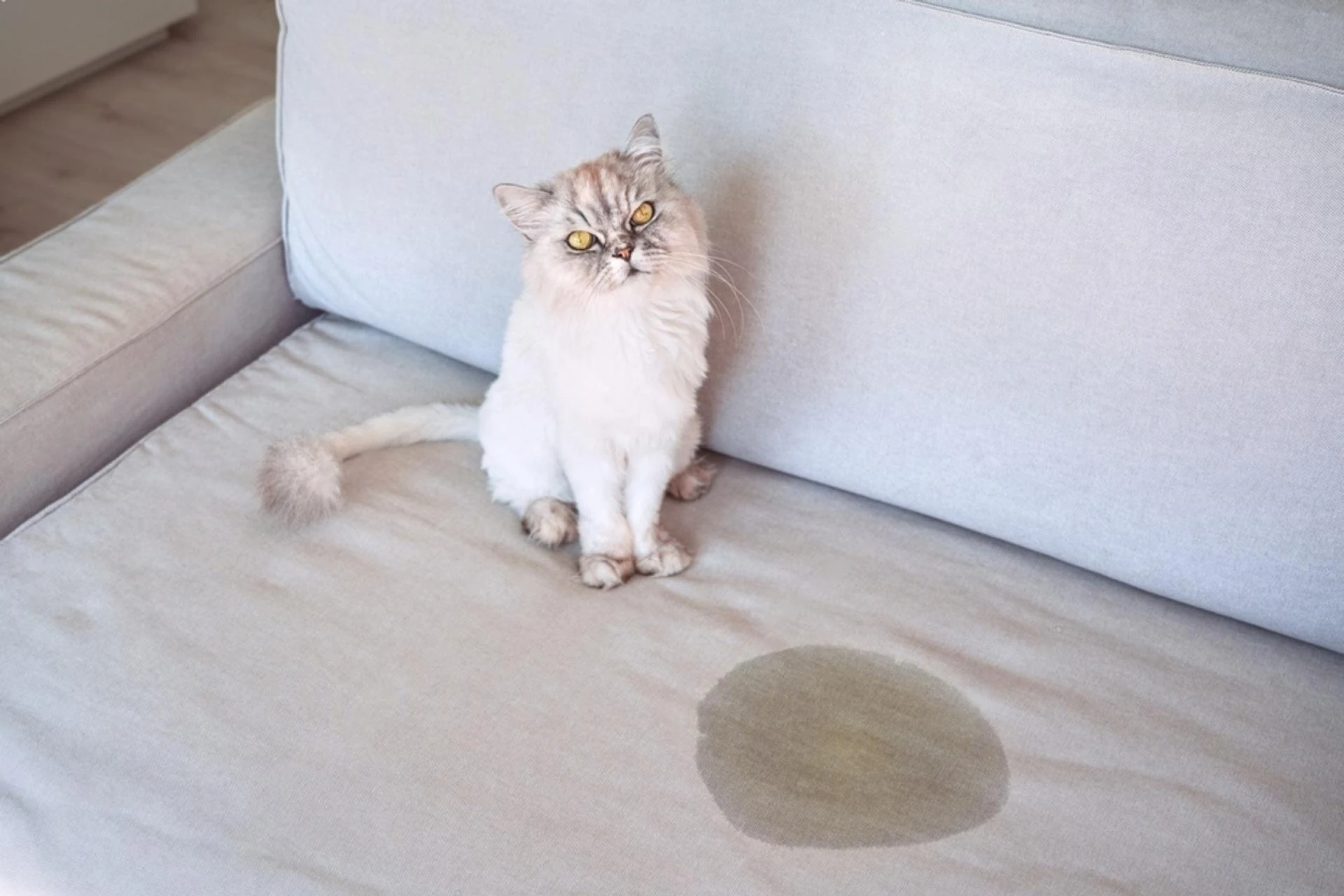
As our beloved cats age, their needs change—sometimes subtly, sometimes dramatically. One of the most common (yet often misunderstood) signs of aging is frequent urination. It’s easy to overlook an extra trip to the litter box or a slightly larger puddle, but increased urination in senior cats can point to underlying health problems that deserve attention.
In this article, we’ll explore why older cats might be urinating more often, how to tell what’s normal versus concerning, and what steps you can take to support your senior feline’s health.
Understanding the Aging Cat’s Body
Cats are masters of hiding discomfort. As they grow older, their metabolism, kidney function, and hormonal balance begin to shift. Some of these changes are natural and expected, while others may signal the onset of disease.
Frequent urination—or polyuria, as it’s medically called—can be one of the first red flags that something more serious is going on. It’s often linked to excessive thirst (polydipsia) and can point to conditions that impact the kidneys, bladder, or endocrine system.
It’s important to monitor not just how often your senior cat is urinating, but also how much water they’re drinking, any changes in behavior, and whether accidents are happening outside the litter box.
Common Causes of Frequent Urination in Older Cats
While a little extra urination might seem harmless, it can indicate an underlying health concern. Here are the most common medical reasons for this symptom in senior cats:
1. Chronic Kidney Disease (CKD)
CKD is extremely common in cats over the age of 10. As the kidneys lose function over time, they become less efficient at filtering waste. This causes the body to increase water intake and urination in an attempt to flush out toxins.
Early signs include:
- Increased urination and water consumption
- Weight loss and decreased appetite
- Vomiting or bad breath
- Lethargy
If caught early, CKD can often be managed with a special diet, hydration support, and regular veterinary monitoring.
2. Diabetes Mellitus
Senior cats, especially those who are overweight, are at risk for diabetes. The condition prevents the body from processing sugar properly, leading to excessive thirst and urination.
Look for these symptoms:
- Frequent urination and constant drinking
- Sudden weight loss despite increased appetite
- Sweet-smelling breath or urine
- Weakness in the hind legs
Diabetes requires lifelong management, typically through insulin and diet changes.
3. Hyperthyroidism
This hormonal disorder is another frequent cause of urination changes in older cats. It speeds up metabolism, leading to restlessness, hunger, and increased fluid output.
Additional signs include:
- Rapid heartbeat
- Weight loss
- Vomiting or diarrhea
- Unkempt coat
A simple blood test can confirm hyperthyroidism, which is manageable through medication, dietary therapy, or radioactive iodine treatment.
4. Urinary Tract Infections (UTIs)
While more common in female cats, UTIs can affect both genders—especially in older felines with weakened immune systems. UTIs may cause frequent urination in small amounts, vocalizing during urination, or even blood in the urine.
Unlike other causes, UTIs are usually treatable with antibiotics. Left unchecked, however, they can escalate into kidney infections or bladder stones.
Behavioral vs. Medical Causes
Sometimes what seems like excessive urination may stem from behavioral changes. Senior cats might become more anxious, disoriented, or sensitive to changes in their environment. Litter box aversion, stress, or cognitive dysfunction syndrome (feline dementia) can cause urination outside the box, which might be misinterpreted as increased output.
To distinguish between behavioral and medical causes, consider:
- Is your cat urinating more frequently, or just in inappropriate places?
- Is the volume of urine larger than normal?
- Has your cat's behavior changed in other ways (e.g., confusion, pacing)?
Regardless, changes in urination patterns should always prompt a veterinary visit, especially in cats over the age of 10.
When Is Frequent Urination in Older Cats a Concern?
It’s important to remember that excessive urination is not a normal part of aging. While slight increases in water intake or output might occur gradually, any sudden or noticeable change should be addressed.
You should be concerned if you notice:
- Soaked litter that needs changing more than once a day
- Your cat visiting the litter box multiple times an hour
- Urine outside the box, especially near water bowls or sleeping areas
- Signs of dehydration or lethargy
- Loss of appetite or vomiting
If any of these symptoms apply, take action sooner rather than later. A physical exam, blood work, and urine analysis can uncover issues early—before they progress.
For a more in-depth look at this topic and helpful care tips, check out this expert-reviewed guide on excessive urination in senior cats that breaks down causes, treatments, and prevention in one place.
How You Can Support Your Senior Cat
Caring for an aging cat comes with its share of challenges—but also opportunities to improve quality of life. If your cat is urinating more often, here are some practical ways to help:
- Provide easy-access litter boxes: Use low-sided boxes in multiple quiet locations, especially if your cat has mobility issues.
- Monitor water intake: Consider switching to a water fountain to encourage healthy hydration.
- Offer kidney-friendly or vet-approved diets: Cats with CKD or other chronic conditions benefit from specific nutritional support.
- Keep a journal of symptoms: Track urination frequency, litter habits, and behavior changes to share with your vet.
- Visit your vet regularly: Routine wellness exams are critical for early detection and treatment planning.
Final Thoughts
Frequent urination in older cats isn’t just an inconvenience—it can be a sign of serious underlying health issues. Whether it’s chronic kidney disease, diabetes, or a simple UTI, catching the cause early can lead to better outcomes and longer, happier lives.
Senior cats deserve our full attention and care. By staying alert to changes in litter box habits and working with your vet, you can ensure your feline companion continues to thrive—even in their golden years.
If you want more tailored advice, case examples, and practical tips, explore this detailed article on senior cat excessive urination for everything you need to know in one place.