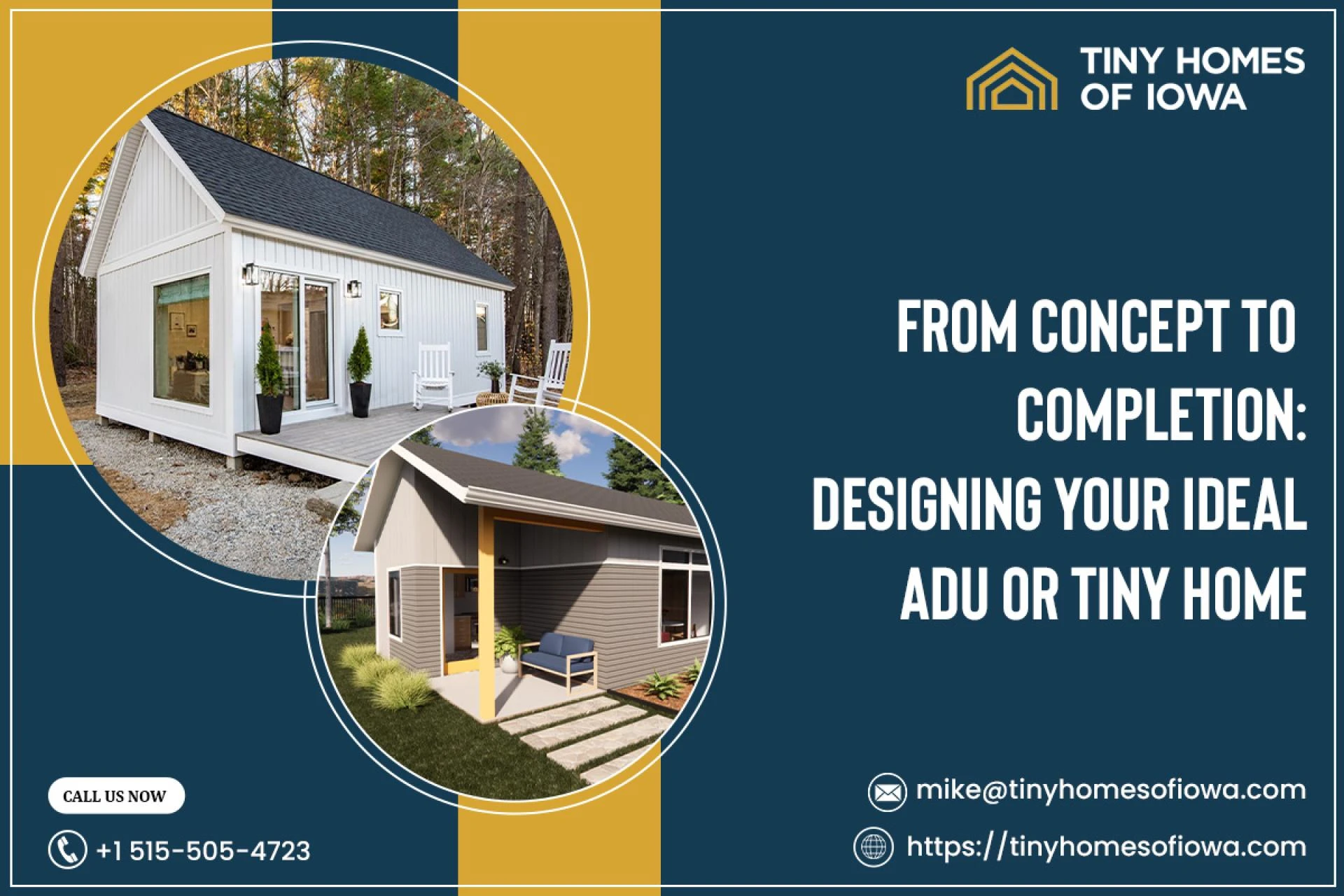
An Accessory Dwelling Unit (ADU) is a fascinating project that merges creativity, functionality, and an element of adventure. Whether it's a garage conversion ADU or a free-standing tiny home, knowing the process from concept to completion is vital.
In this guide, you will walk through the crucial steps to craft your ideal tiny home.
Understanding ADUs and Tiny Homes
Sometimes referred to as a granny flat, in-law unit, or an accessory dwelling unit, ADU generally refers to an additional living space built on the same property as the owner's main residence. It may be attached, detached, or converted from the existing of garage or basement. It provides extra housing opportunities, houses extended family members, or generates additional rental income.
Tiny homes are becoming more and more popular and address the affordable housing crises the US is experiencing.
How to Design Your Ideal ADU?
- Feasibility Check: First, assess the possibility of an ADU on your property. Take into account the local zoning regulations, setbacks, lot coverage, and other applicable rules that could affect your project. Professionals can guide you through these complexities and help you decide what is possible within your budget.
- Design Your Space: Collaborate with a specialized design-build company to create a layout that suits your needs. Most companies offer a bank of pre-approved Accessory dwelling unit plans. This saves a lot on design costs and solves uncertainties at the permitting stage. Personalization options allow you to customize floor plans, elevation, and interior designs at affordable prices.
- Secure Financing: Explore different funding opportunities to finance your project. It may include traditional loans, personal loans, or alternative sources of funding. Some companies also help connect you with local and national funding partners to help finance your ADU.
- Getting Permits: Navigating the permitting process is a critical step. Your design team can represent your project, submit necessary permits, and address any adjustments required by the building or planning departments. This ensures compliance with local regulations and smooth progression towards the construction phase.
- Construction: With all permits in hand, construction can start. A smooth construction process managed by experienced builders ensures that your tiny home is done efficiently and to the highest quality. Your project manager will communicate with you regularly throughout the building process, making sure you are aware of everything that's going on.
- Move In and Enjoy: A final walkthrough is performed upon completion to confirm that every single aspect of the new space reflects your requirements and expectations. Now, you're ready to settle into your newly constructed ADU and enjoy the benefits of owning a tiny home.
Benefits of ADUs
- More Property Value- Adding an ADU to the property will significantly increase the worth and attraction to the property itself.
- Rental Income: ADUs serve as an avenue for generating more income by renting these buildings either long-term or short-term.
- Flexibility in Living Style: Tiny homes can accommodate your relatives, visitors, or caregivers and even facilitate multigenerational living.
- Sustainable Living: Tiny Homes promote less consumption and efficient utilization of resources that help reduce your footprint in the environment.
Conclusion
Designing and building your own tiny house or ADU is an exciting experience, with numerous advantages. This can be achieved by following these steps and working together with experienced ADU builders to make the space perfectly suited for one's needs and enhancing the value of the property.