
When it comes to soil reinforcement for construction and civil engineering projects, professionals often face a decision between using geotextile fabrics or opting for traditional methods like gravel, concrete, or other materials. Both options have distinct advantages and applications, and understanding these differences can lead to better decision-making for your projects. In this article, we’ll explore the benefits and drawbacks of geotextile fabrics versus traditional soil reinforcement techniques, offering valuable insights into the best solution for your needs.
What is Geotextile Fabric?
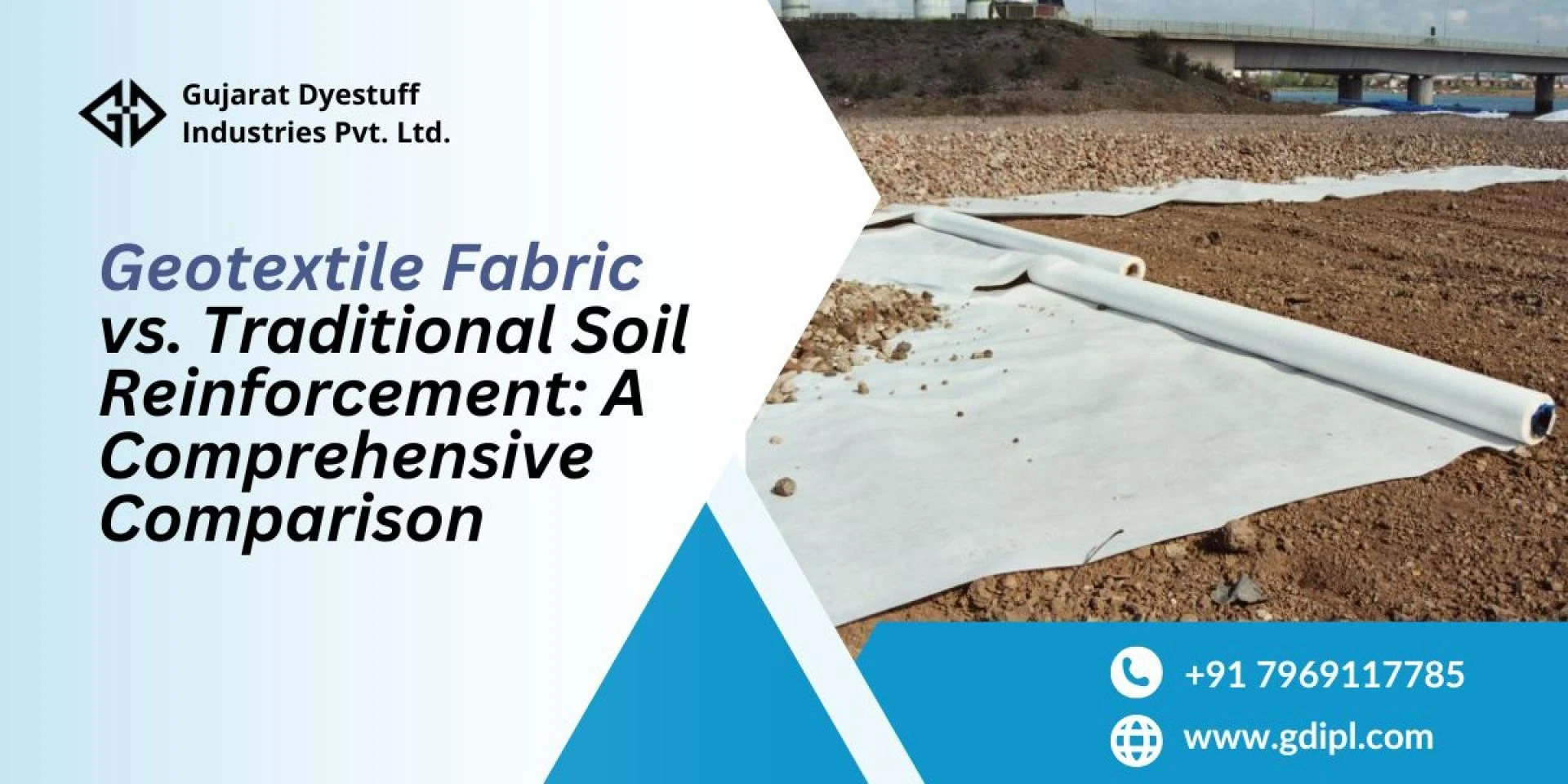
Fabric geotextile is a synthetic material used in geotechnical engineering to reinforce and stabilize soil. Made from polypropylene, polyester, or other durable polymers, geotextile fabric serves multiple functions, such as filtration, separation, and drainage. Depending on the manufacturing process, geotextiles come in different forms, including woven, nonwoven, and knitted fabrics, each suited for specific applications.
The main advantage of geotextile fabrics lies in their versatility and efficiency. They are highly effective in improving soil stability, controlling erosion, and facilitating water drainage in areas where traditional methods might be costly or less effective.
Traditional Soil Reinforcement Methods
Traditional soil reinforcement techniques usually involve materials like gravel, geogrids, concrete, or stone aggregates. These methods have been widely used in infrastructure projects for many years. Some of the most common methods include:
- Gravel and Stone Aggregates: These materials are often used to improve soil structure by providing additional weight and stability. However, they can be costly, especially in large quantities, and can lead to drainage issues over time.
- Concrete: Concrete is sometimes used to stabilize soil in construction, especially for foundations or roadbeds. While durable, concrete is heavy and often more expensive than other materials.
- Geogrids: Geogrids are synthetic materials made from polymers that help reinforce soil by preventing it from shifting. While effective, they can be expensive and require more labor-intensive installation.
While traditional methods can be effective, they are often more resource-intensive, time-consuming, and expensive compared to geotextile fabrics.
Geotextile Fabric vs. Traditional Reinforcement: A Detailed Comparison
- Cost and Efficiency
One of the biggest advantages of geotextile fabric is its cost-effectiveness. The geotextile fabric price is generally lower than traditional reinforcement materials like gravel or concrete. In addition, geotextiles are lighter and easier to install, reducing labor costs. This makes geotextile fabrics an attractive option for large-scale projects, where traditional methods might be cost-prohibitive.
2. Durability
Geotextile fabrics are highly durable and resistant to wear and tear. Unlike traditional methods, such as gravel or concrete, which may degrade over time due to environmental factors, geotextiles are resistant to UV rays, chemicals, and temperature fluctuations. This durability ensures that geotextile fabrics maintain their effectiveness over long periods, reducing the need for frequent maintenance.
3. Installation Process
Installing geotextile fabrics is relatively simple and quick. Traditional soil reinforcement methods often require heavy machinery and extensive labor, leading to longer project timelines. In contrast, geotextile fabrics can be easily rolled out and placed in the required area, saving both time and money on installation.
4. Environmental Impact
Traditional soil reinforcement methods, particularly those that rely on gravel or concrete, can have a significant environmental impact. The production of concrete, for example, generates high levels of CO2 emissions. Geotextile fabrics, on the other hand, are more environmentally friendly. Many geotextile fabrics are made from recyclable materials, making them a sustainable option for modern infrastructure projects.
5. Versatility and Applications
Geotextiles are highly versatile and can be used in a wide variety of applications, including drainage systems, erosion control, road construction, and landfill liners. Their flexibility allows them to be customized for different soil types and environmental conditions, making them suitable for a range of industries. Traditional reinforcement methods, however, are typically more specialized and may not be as adaptable to different needs.
6. Performance in Water Management
One of the standout features of geotextile fabrics is their ability to manage water effectively. The permeability of geotextiles allows them to filter and drain water, preventing soil erosion while maintaining stability. Traditional methods like gravel or stone can block drainage paths over time, leading to soil degradation and increased maintenance costs.
Conclusion
Geotextile fabrics are an innovative and efficient solution for soil reinforcement and stabilization, offering several advantages over traditional methods. With their lower cost, enhanced durability, environmental benefits, and versatile applications, geotextile fabrics are quickly becoming the preferred choice for modern construction projects. Whether for road building, landscaping, or erosion control, fabric geotextiles provide long-lasting, sustainable solutions.
Gujarat Dyestuff Industries Pvt. Ltd. is a leading geotextile fabric supplier, offering top-quality geotextiles that cater to diverse industries. Our products are designed for durability, cost-effectiveness, and efficiency, ensuring optimal performance in every application.
Looking for reliable geotextile fabrics for your next project? Get in touch with Gujarat Dyestuff Industries Pvt. Ltd. today for high-quality products and exceptional customer service.