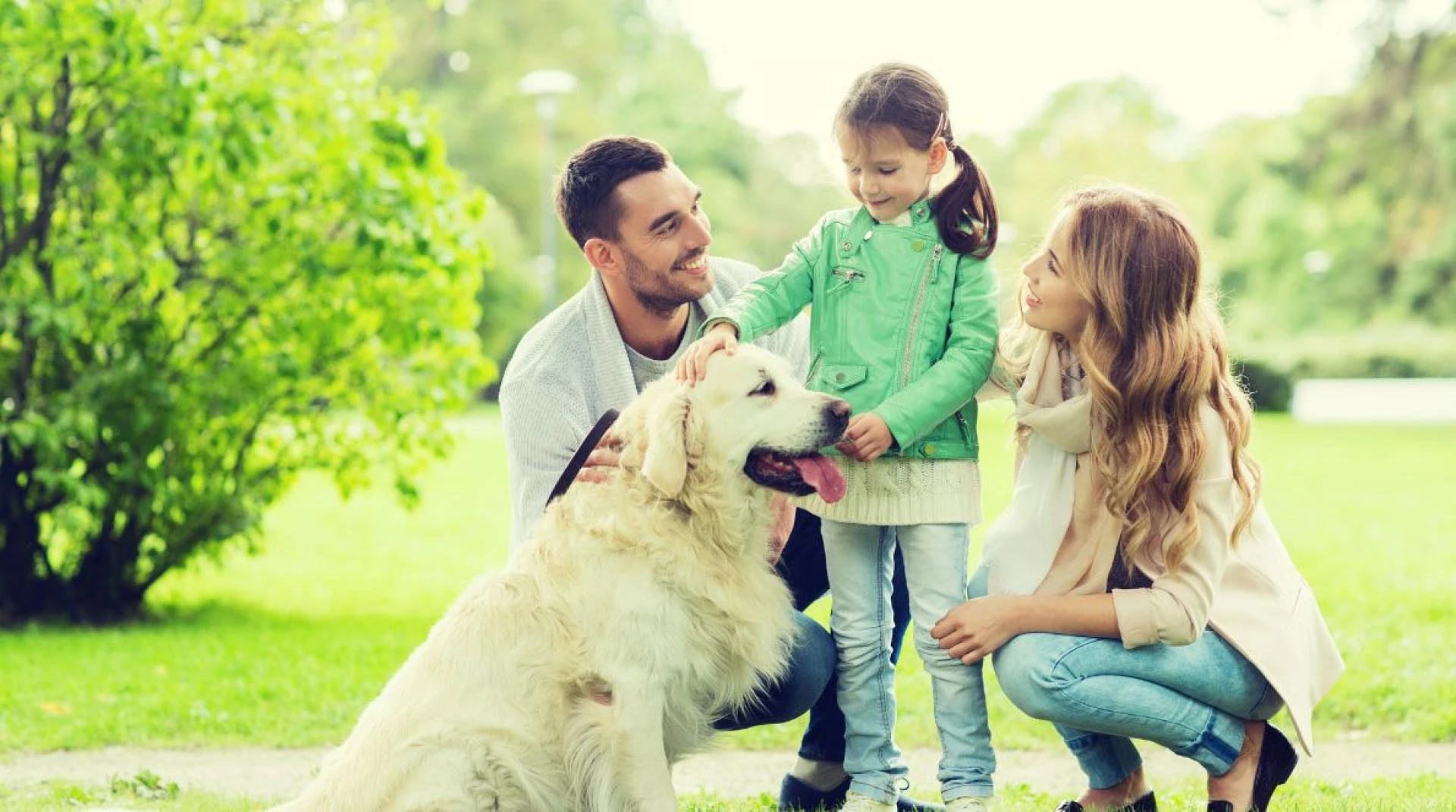

Bringing home a Golden Retriever puppy for sale is an exciting and heartwarming experience. These playful, intelligent, and affectionate dogs quickly become beloved family members. However, caring for a Golden Retriever puppy also comes with responsibility. If you’re a first-time owner, understanding their needs early will help you raise a healthy, happy, and well-behaved companion.
1. Prepare Your Home Before Arrival
Before your puppy comes home, make sure your space is safe and welcoming. Golden Retriever puppies are naturally curious and love to explore with their mouths, so puppy-proofing is essential. Remove small objects, electrical cords, toxic plants, and anything valuable that could be chewed or swallowed. Use baby gates if needed to block stairs or unsafe areas.
Set up a comfortable sleeping area with a soft bed, fresh water, and a few safe toys. Crate training can be very helpful for house training and giving your puppy a secure place to rest. A properly introduced crate should feel like a cozy den, not a punishment.
2. Choose the Right Food
Good nutrition is the foundation of your puppy’s growth. Golden Retriever puppies grow quickly, so they need high-quality puppy food designed for large breeds. Large-breed puppy formulas help support healthy bone and joint development while reducing the risk of growing too fast.
Follow feeding instructions from your veterinarian or the food package, and divide meals into three or four small portions a day. Avoid overfeeding, even if your puppy seems constantly hungry. Golden Retrievers love food, and excess weight can put strain on their joints as they grow.
Always provide fresh water, and avoid giving human food or treats too often. If you do use treats for training, keep them small and healthy.
3. Start Training Early
Golden Retrievers are known for being intelligent and eager to please, which makes them one of the easiest breeds to train. Start with basic commands like “sit,” “stay,” “come,” and “down.” Keep training sessions short, positive, and consistent. Puppies have short attention spans, so five to ten minutes at a time is usually enough.
Positive reinforcement works best. Reward good behavior with treats, praise, or playtime. Avoid harsh punishment, which can make your puppy fearful or confused. Early training should also include leash manners, name recognition, and learning not to bite too hard during play.
Socialization is equally important. Expose your puppy gradually to different people, sounds, environments, and other vaccinated dogs. A well-socialized Golden Retriever tends to grow into a confident and friendly adult dog.
4. Focus on House Training
House training requires patience and routine. Take your puppy outside frequently, especially after waking up, eating, drinking, and playing. Praise them immediately when they relieve themselves in the right spot. Consistency is key, and accidents will happen during the learning process.
Watch for signs that your puppy needs to go out, such as sniffing, circling, or heading toward the door. A regular schedule helps your puppy understand when and where to eliminate. Avoid scolding after accidents; instead, clean the area thoroughly to remove odors that might encourage repeat accidents.
5. Keep Up with Grooming
Golden Retrievers have beautiful coats that require regular care. Even as puppies, they should get used to brushing several times a week. Brushing helps reduce shedding, prevents tangles, and strengthens the bond between you and your puppy.
You should also introduce nail trimming, ear cleaning, and gentle bathing early so your puppy becomes comfortable with grooming. Their ears should be checked regularly for dirt, odor, or redness, as floppy ears can be prone to infections. If you’re unsure about grooming techniques, ask your veterinarian or groomer for advice.
6. Visit the Vet Regularly
Veterinary care is essential during your puppy’s first year. Your vet will help with vaccinations, deworming, flea and tick prevention, and general health checks. They can also guide you on spaying or neutering and monitor your puppy’s growth.
Golden Retrievers can be prone to certain health issues, including hip and elbow problems, so regular checkups matter. If you notice changes in appetite, energy, stool, or behavior, contact your vet promptly.
7. Give Plenty of Exercise and Love
Golden Retriever puppies are energetic, but exercise should be age-appropriate. Short play sessions, gentle walks, and supervised playtime are ideal. Avoid too much strenuous exercise while their joints are still developing.
Just as important as physical exercise is mental stimulation. Puzzle toys, training games, and simple fetch sessions can help keep your puppy happy and engaged. Most of all, Golden Retrievers thrive on companionship. They want to be near their people, so make time for bonding, cuddles, and affection every day.
Final Thoughts
Raising a Golden Retriever puppy is a rewarding journey. With proper nutrition, early training, routine vet care, grooming, and lots of love, your puppy will grow into a loyal and joyful family dog. First-time ownership can feel overwhelming at times, but Golden Retrievers are forgiving, adaptable, and full of personality. If you stay patient and consistent, you’ll build a strong relationship that lasts for years.