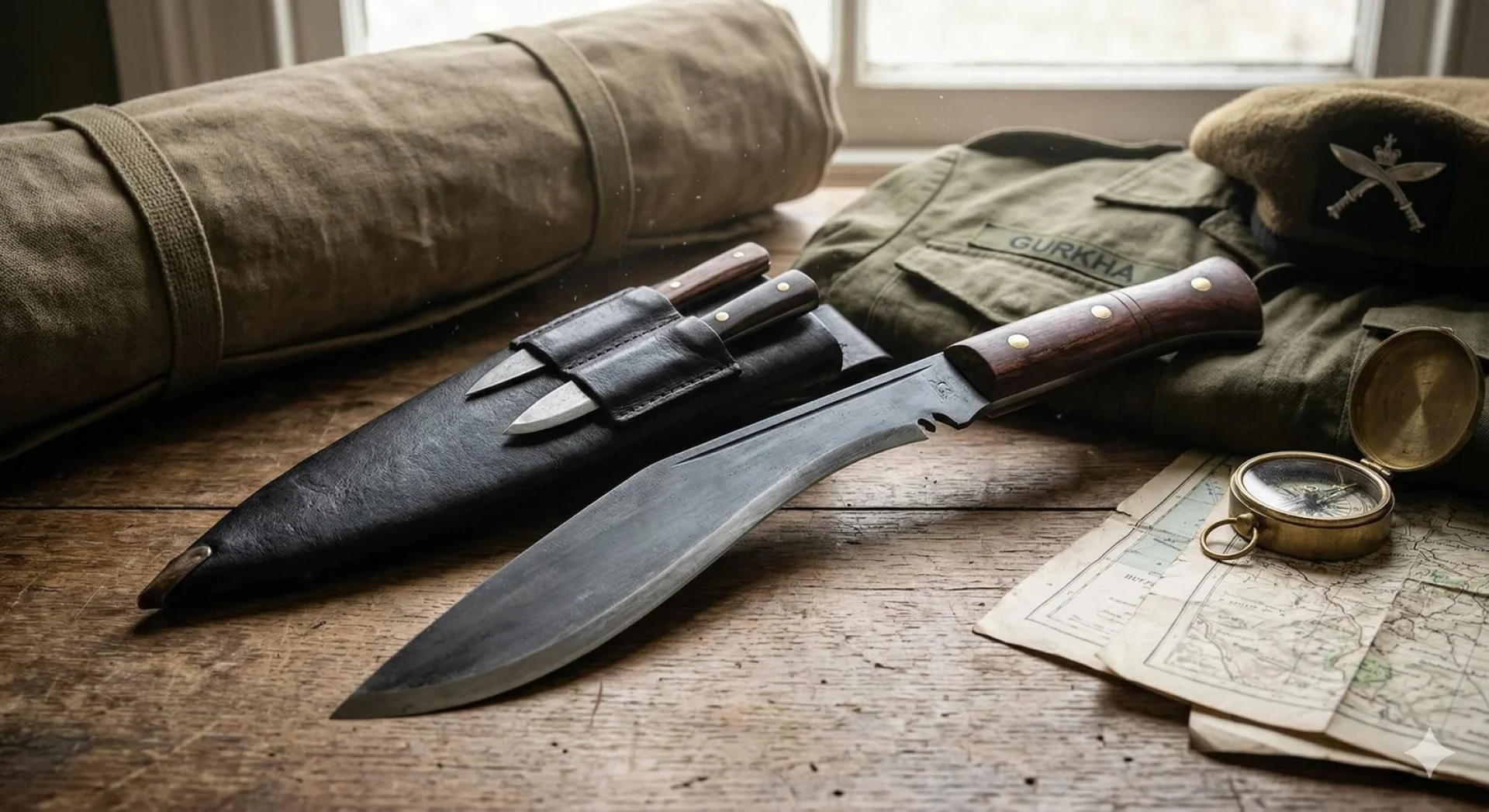
The Gurkha military kukri knife is far more than just a weapon—it is a powerful emblem of bravery, heritage, and unmatched craftsmanship. Carried by the legendary Gurkha soldiers of Nepal, the kukri has earned global recognition for its distinctive curved blade, versatility, and battlefield effectiveness. Whether in combat, utility tasks, or ceremonial use, the kukri stands as a timeless icon of strength and honor.
Origins and Historical Significance
The kukri’s origins trace back centuries in Nepal, where it evolved as both a tool and a weapon. Its design is believed to have been influenced by ancient curved swords used across South Asia. Over time, it became inseparable from the identity of the Gurkhas—elite soldiers known for their loyalty, courage, and fearlessness.
The kukri gained international prominence during the 19th century when Gurkha soldiers served in the British Army. Their reputation in conflicts such as the Anglo-Nepalese War and both World Wars cemented the kukri’s status as a formidable weapon. Stories of Gurkhas charging into battle with kukris in hand became legendary, contributing to the knife’s almost mythic reputation.
Unique Design and Features
The Gurkha military kukri knife is instantly recognizable due to its forward-curving blade. But its design is not just aesthetic—it serves practical and tactical purposes.
Key Features:
- Curved Blade: The inward curve increases cutting efficiency, making it ideal for chopping and slashing.
- Forward Weight Distribution: This gives the kukri more force with less effort, similar to an axe.
- Cho Notch: A small notch near the base of the blade, often symbolic and functional for preventing blood from reaching the handle.
- Thick Spine: Adds durability and strength, allowing heavy-duty use.
- Ergonomic Handle: Traditionally made from wood or buffalo horn for a firm grip.
This combination of features makes the kukri both a powerful weapon and a reliable tool for survival tasks like cutting wood, clearing brush, and preparing food.
Role in the Gurkha Military Tradition
For Gurkha soldiers, the kukri is more than equipment—it is a part of their identity. Every Gurkha carries a kukri as part of their standard kit, and it is used in both combat and ceremonial functions.
There is a well-known belief associated with the kukri: once drawn, it must taste blood before being sheathed. While often symbolic, this belief reflects the deep respect and seriousness with which the weapon is regarded.
The kukri has been used in numerous military operations, including jungle warfare, close combat, and survival situations. Its versatility gives soldiers an advantage in environments where firearms may not always be practical.
Craftsmanship and Traditional Making
The traditional kukri is handcrafted by skilled artisans in Nepal, known as “Kamis.” The process involves:
- Forging the Blade: High-carbon steel is heated and hammered into shape.
- Tempering: The blade is selectively hardened to balance sharpness and flexibility.
- Polishing and Sharpening: Ensures a razor-sharp edge.
- Handle Attachment: Carefully fitted for durability and comfort.
- Sheath (Dap): Usually made of wood covered in leather, often including smaller utility knives.
Each kukri is unique, reflecting the artisan’s skill and cultural heritage.
Modern-Day Uses
While the kukri retains its military significance, it has also found a place in modern civilian life. Today, it is used for:
- Outdoor Activities: Camping, trekking, and bushcraft.
- Agricultural Work: Cutting crops and clearing land.
- Collection and Display: As a historical and cultural artifact.
- Self-Defense: In certain regions where it is legally permitted.
Its versatility ensures that the kukri remains relevant even in the modern era.
Why the Kukri Stands Out
What makes the Gurkha military kukri knife truly exceptional is its perfect balance of form and function. Unlike many modern knives designed for specific purposes, the kukri excels in multiple roles.
Advantages:
- High cutting power with minimal effort
- Durable and long-lasting design
- Multi-purpose functionality
- Deep cultural and historical significance
Few blades in the world combine utility, symbolism, and combat effectiveness as seamlessly as the kukri.
Cultural Symbolism
In Nepalese culture, the kukri is a symbol of honor, bravery, and protection. It is often used in religious ceremonies, weddings, and festivals. The blade represents not only physical strength but also moral integrity and courage.
For Gurkha soldiers, carrying a kukri is a matter of pride—it connects them to generations of warriors who upheld the same values.
Conclusion
The Gurkha military kukri knife is more than just a blade—it is a legacy forged in steel. From ancient battlefields to modern survival kits, it continues to prove its worth as one of the most effective and iconic knives in the world.
Its unique design, rich history, and cultural importance make it a timeless tool that transcends its practical use. Whether admired as a collector’s item or used in the field, the kukri remains a powerful symbol of the fearless spirit of the Gurkhas.