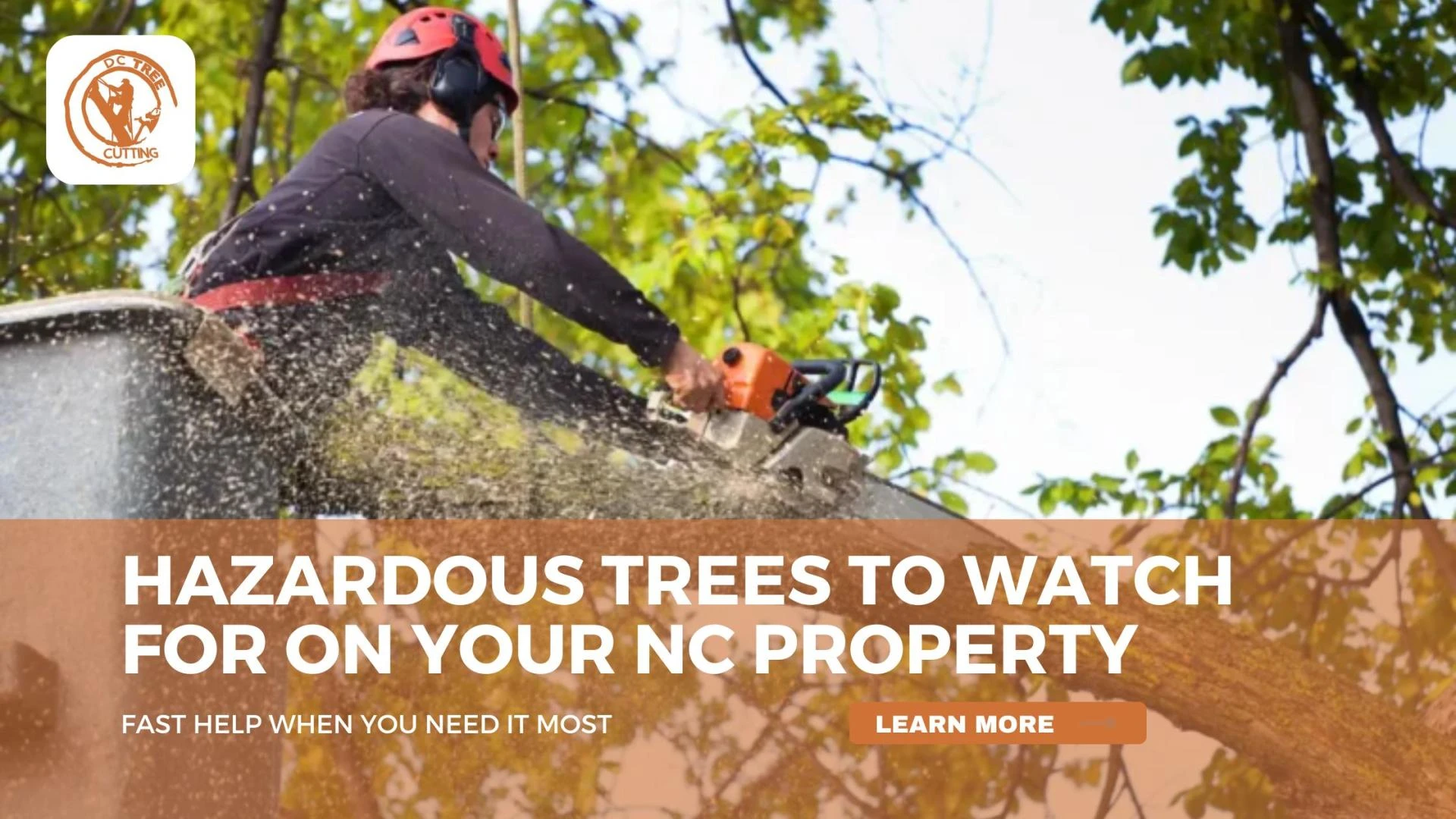
Living in North Carolina means dealing with some seriously unpredictable weather. Those beautiful old oaks that provide shade during summer? They might be plotting something more sinister when storm season rolls around. A professional Tree Removal Service in North Carolina can assess whether a tree can be saved or needs to go
Signs Your Tree Might Be Planning an Exit Strategy
Dead branches don't just fall when they feel like it. Usually, there's a pattern brewing. Look for branches that snap easily or bark that's peeling off in weird chunks. Sometimes you'll notice mushrooms growing at the base - that's nature's way of saying "Houston, we have a problem."
Trees leaning more than usual after heavy rains deserve your attention. Sure, maybe they're just stretching toward the sun, but more likely the root system is compromised. Check for exposed roots or soil that seems to be pulling away from the trunk.
The Usual Suspects in Carolina Yards
Pine trees can be tricky customers. They grow fast, get tall, then develop this habit of dropping massive limbs without warning. The telltale sign? Yellowing needles that shouldn't be yellow yet.
Bradford pears look gorgeous in spring, but have terrible structural integrity. These trees self-destruct after 15-20 years. Their branches grow at weak angles, making them prime candidates for splitting during ice storms.
When Professional Help Becomes Non-Negotiable
Some situations require calling in the experts immediately. If you've spotted a tree with major cracks in the trunk or one that's leaning toward your house, don't wait around hoping it'll sort itself out.
Power lines make everything more complicated. Never attempt to handle trees near electrical equipment yourself. A qualified Tree Emergency Service North Carolina team has the proper equipment for these dangerous situations.
Taking Action Before Disaster Strikes
Regular inspections beat costly repairs every time. Walk your property after storms, looking for changes in how trees sit or new damage to bark. Pay attention to trees that suddenly start dropping lots of leaves outside their normal season.
Sometimes removal is the only safe option. They'll consider factors like proximity to structures, overall health, and species characteristics.
Don't forget about the less obvious hazards. Trees that look fine from ground level might have serious issues up in the canopy. Dead wood hidden among healthy branches can fall unexpectedly, creating dangerous situations for people walking below.
Getting ahead of tree problems protects both your property value plus everyone's safety. Regular maintenance costs less than emergency repairs after something goes wrong.