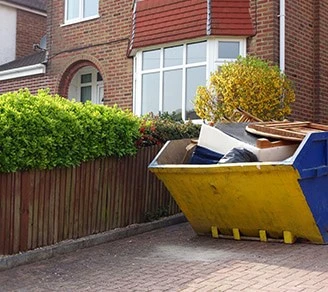
In construction and commercial projects, waste management is far more than a simple post-project cleanup task; it is a critical operational strategy that can define the project's overall efficiency. Construction, renovation, and demolition (CRD) wastes represent one of the largest solid waste streams in Canada, and managing them effectively poses significant social, economic, and ecological imperatives. High-impact clean-up solutions focus on maximising throughput the efficiency with which debris is moved off-site to prevent downtime and protect project margins. Utilising a professional dumpster rental service provides the necessary capacity to handle the massive volumes of wood, drywall, and concrete generated during a build. By viewing waste as a resource rather than an obstacle, project leaders can recover value from materials that would otherwise represent a missed opportunity.
Effective throughput starts with a rigorous waste management plan that aligns with the rhythm of the job site. Jurisdictions often require a CRD plan to set diversion targets and identify priority materials, such as metals or clean wood. This proactive approach allows a project leader, defined as the person ultimately responsible for project decisions, to establish goals, such as the 50% to 75% diversion rates required for LEED certification. By integrating a reliable dumpster rental service into the initial project phases, builders ensure that waste removal capacity corresponds to the actual volume of debris produced. This strategic oversight prevents logistical bottlenecks that could otherwise lead to unforeseen downtime or project delays.
Site Organization and Workflow Optimization
Proper placement is an often-overlooked factor that directly impacts safety and productivity on a busy job site. Strategic positioning of containers near high-waste zones, such as demolition areas or loading docks, reduces the downtime spent by crews hauling materials back and forth. When dumpsters are placed in logical, accessible spots, crews are more likely to dispose of waste properly rather than leaving materials scattered around, which lowers the risk of accidents like trips or falls. Planning for these demands around individual project phases, such as the heavy debris generated during demolition versus the lighter packaging of the build-out phase, ensures that the right equipment is always available.
Securing a roll-off container requires more than just finding an open spot; it requires careful foresight regarding truck access and ground stability. If a container is blocked by parked vehicles or equipment, it can delay service and add extra charges for missed hauls. Clear walkways and emergency exits must remain unobstructed at all times to ensure that heavy machinery can operate safely without interference. By thinking strategically about location and working with a reliable local partner, managers can reduce lost time and protect workers while maintaining a highly professional and organised jobsite.
Maintaining Continuous Flow with Rapid Swaps
One of the most effective ways to maintain maximum throughput on high-impact projects is through fast dumpster swaps. When a bin reaches capacity, project momentum can stall if a replacement is not immediate, causing work stoppages due to a lack of disposal access. Successful teams assign a specific member to monitor fill levels and communicate promptly with their service provider to anticipate when a swap is imminent. Partnering with a responsive dumpster rental service ensures that full units are exchanged for empty ones quickly, often within the same day. This continuous flow keeps the project on schedule and prevents overflowing materials from creating space constraints or safety hazards.
Sustainable Diversion and Material Recovery
Cleanup is only truly high-impact if it considers the ultimate destination of the materials. CRD waste is composed of diverse products, including clean wood, asphalt, drywall, and metals. Categorising these as high value or simple to divert helps managers choose the right configuration for on-site bins. For large sites, using multiple containers to separate different material streams such as clean wood for animal bedding or scrap metal for recycling—improves organisation and makes material recovery more efficient. A high-quality dumpster rental strategy supports circular economy principles by ensuring that recyclable products are redirected from landfills and back into the material chain as valuable secondary products. Accurate documentation of these waste streams is also essential for meeting modern regulatory mandates and environmental sustainability goals.
Conclusion
In conclusion, high-impact cleanup solutions are the result of strategic planning, precise site optimisation, and responsive logistics. By leveraging professional waste management tools and prioritising fast swaps, project leaders can significantly improve site safety and workflow efficiency. Ultimately, effective waste management is more than just a task; it is a fundamental driver of project success that ensures every phase of the construction life cycle moves towards completion with maximum throughput. Careful coordination with a local waste partner allows construction teams to navigate the complexities of debris removal seamlessly while adhering to environmental standards and staying within budget.