
Introduction
Have you ever wondered how successful your online campaigns really are? Many business owners run ads, post content, or boost visibility without knowing which efforts actually work. This is where a digital marketing agency steps in with a clear system for tracking what matters.
A digital marketing agency is a team that helps brands grow online using strategic planning, analytics, creative content, and performance tracking. Measuring success matters because it prevents you from wasting your time, effort, and budget.
The right digital marketing services do more than gather likes or random clicks. They are designed to create real business outcomes such as increased leads, stronger brand visibility, and better customer engagement.
This article will help you understand how agencies measure success and how you can evaluate your own performance. By the end, you will know exactly what to track and how to interpret your results so your marketing turns into real growth.
Define Clear Goals First
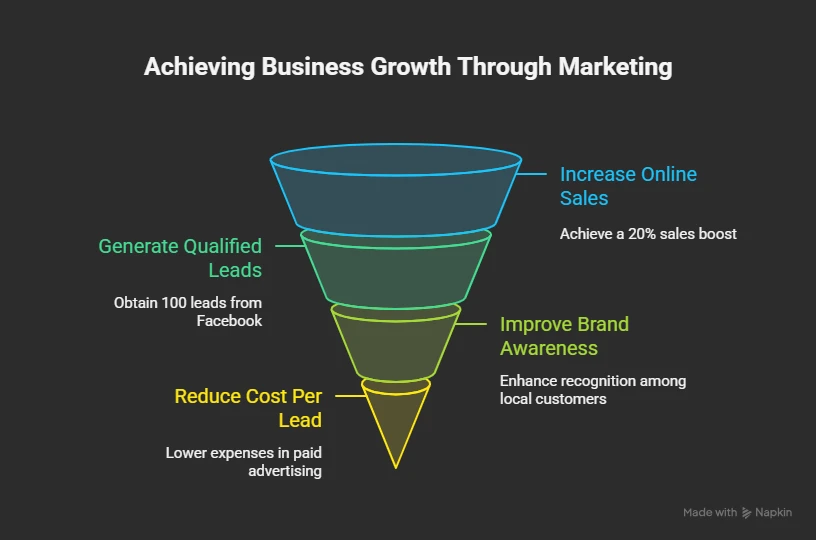
Before you measure anything, the first step is setting clear and specific objectives. Without clear goals, your marketing activities become guesswork. A goal cannot be vague like “I want more customers.” It should be specific, such as:
To make this easier, agencies usually apply the SMART framework. This stands for
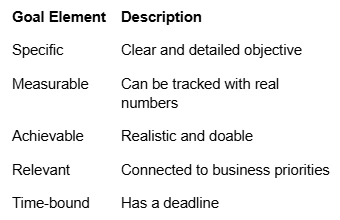
Setting SMART goals ensures your efforts have direction. It also ensures that every strategy your digital marketing company uses becomes meaningful instead of just busy work. Once the goals are clear, everything you measure aligns with your long-term vision.
Choose the Right Key Performance Indicators (KPIs)
Now that your goals are defined, the next step is choosing the right KPIs. KPIs are the indicators that tell you whether a strategy is working or not. Without KPIs, you cannot accurately evaluate your progress.
KPIs vary depending on your goals. Here are the most important ones used in marketing:
1. Conversion Rate
This shows how many people took action after visiting your website. Actions include making a purchase, sending a message, subscribing, or booking a call. A higher conversion rate means your marketing is effective.
2. Return on Investment (ROI) or Return on Ad Spend (ROAS)
ROI and ROAS show whether the money you spent created value. If you spent $100 on ads and earned $300 from sales, your ROAS is 3 times your investment. This is one of the strongest indicators of success.
3. Traffic Quality and Engagement
It is not enough to get visitors. You must know if they are staying, reading, or interacting with your pages. Track these metrics:
- Bounce rate
- Time on page
- Pages per session
- Repeat visitors
4. Customer Retention and Lifetime Value
Many agencies also measure long-term customer value. If your customers stay loyal and keep coming back, your marketing is doing its job well.
Avoid Vanity Metrics
Vanity metrics look nice but do not reflect real success. Examples include:
- Number of followers
- Total likes
- Random impressions
These do not matter unless they support real goals. Always ask if a metric helps your growth or simply looks good on paper.
Track, Analyze and Report Regularly
Tracking is not a one-time task. A digital marketing agency monitors performance frequently to ensure campaigns stay on track. This is why dashboards and reports are important. These tools show progress in a visual way so you always understand what is happening.
Here is the tracking process:
Step 1: Collect Data
Use tools like web analytics, Google Ads dashboards, Facebook Ads Manager, TikTok Insights, CRM platforms, or email marketing tools.
Step 2: Compare Performance Against Benchmarks
Benchmarks may include:
- Past monthly performance
- Industry averages
- Competitor performance
- Set goals from your SMART plan
Step 3: Identify What Is Working and What Is Not
The agency evaluates which channels deliver the best results. Some campaigns may perform better on Facebook and others on Google. Some ads may attract quality leads, while others attract cold audiences.
Step 4: Make Adjustments
This includes:
- Changing audience targeting
- Updating creative materials
- Adjusting ad budgets
- Improving landing pages
- Fixing technical issues
Recommended Reporting Frequency
- Weekly reports for tactical insights
- Monthly reports for strategic decisions
- Quarterly reviews for bigger goals and long-term plans
Regular tracking ensures small issues are fixed early instead of waiting for the end of a campaign.
Optimize Based on Insights
Data becomes powerful only when you act on it. A digital marketing agency uses insights from tracking to optimize campaigns continuously. Instead of waiting for results to drop, they make improvements throughout the campaign period.
Common optimization techniques include:
Audience Targeting Adjustments
Refining age groups, interests, behaviors, lookalike audiences, or retargeting segments.
Creative Improvements
Updating ad copies, headlines, visuals, videos, or call-to-action statements based on performance.
Budget Allocation
Moving budgets toward the campaigns performing best and reducing spending on low-performing ones.
A/B Testing
Testing two versions of an ad, landing page, or email to find out which one performs better.
Improving User Journey
Making navigation smoother so visitors do not get confused and abandon the website.
Optimization ensures your campaigns stay efficient from start to finish.
Translate Metrics into Business Impact
The ultimate goal is not only to improve numbers but also to improve your business. Metrics should always lead to outcomes like:
- More qualified leads
- Higher sales
- Better customer retention
- Stronger brand loyalty
- Lower marketing cost
- Higher revenue over time
ROI or ROAS is the strongest indicator of business impact. This tells you whether your investment truly grows the company. A good agency will help answer questions like
- Are we attracting the right customers
- Are our ads cost-effective
- Is our content converting
- Is our website supporting our goals
You should also ask your agency how each service connects to your business goals. Ask questions like
- How will this improve my sales
- What business problem does this strategy solve
- How do we know if this is working
These questions help you understand the real value of your marketing efforts.
Choose the Right Partner (and How You Should Be Evaluated)
Choosing the right digital marketing agency is crucial for long-term success. Look for partners who are transparent, honest, and committed to your growth.
Signs of a good agency:
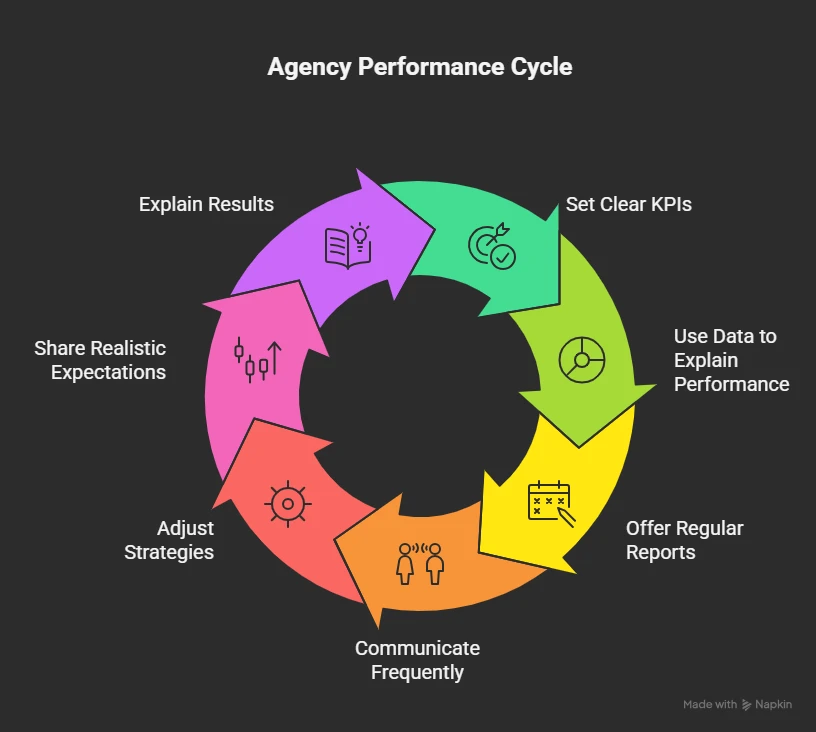
You should also know how to evaluate the agency as a client. Ask for:
- Case studies
- Benchmarks
- Clear goals
- Strategy roadmaps
- Timelines
- Performance expectations
Working together with shared goals creates a strong partnership and long-term success.
Conclusion
Measuring success is not optional. It is the only way to know if your marketing is helping your business grow. With the right KPIs, consistent tracking, smart optimization, and a clear connection to business goals, you can maximize the results of your partnership with a digital marketing agency.
Start by revisiting your goals today. Look at your current measurement system. Identify what you need to improve. With the right partner, strategy, and data, your marketing can become one of the most powerful engines of your business.
Ready to stop guessing and start growing? Contact Tech Support Plus IT Services today, and let us turn your metrics into meaningful results!