
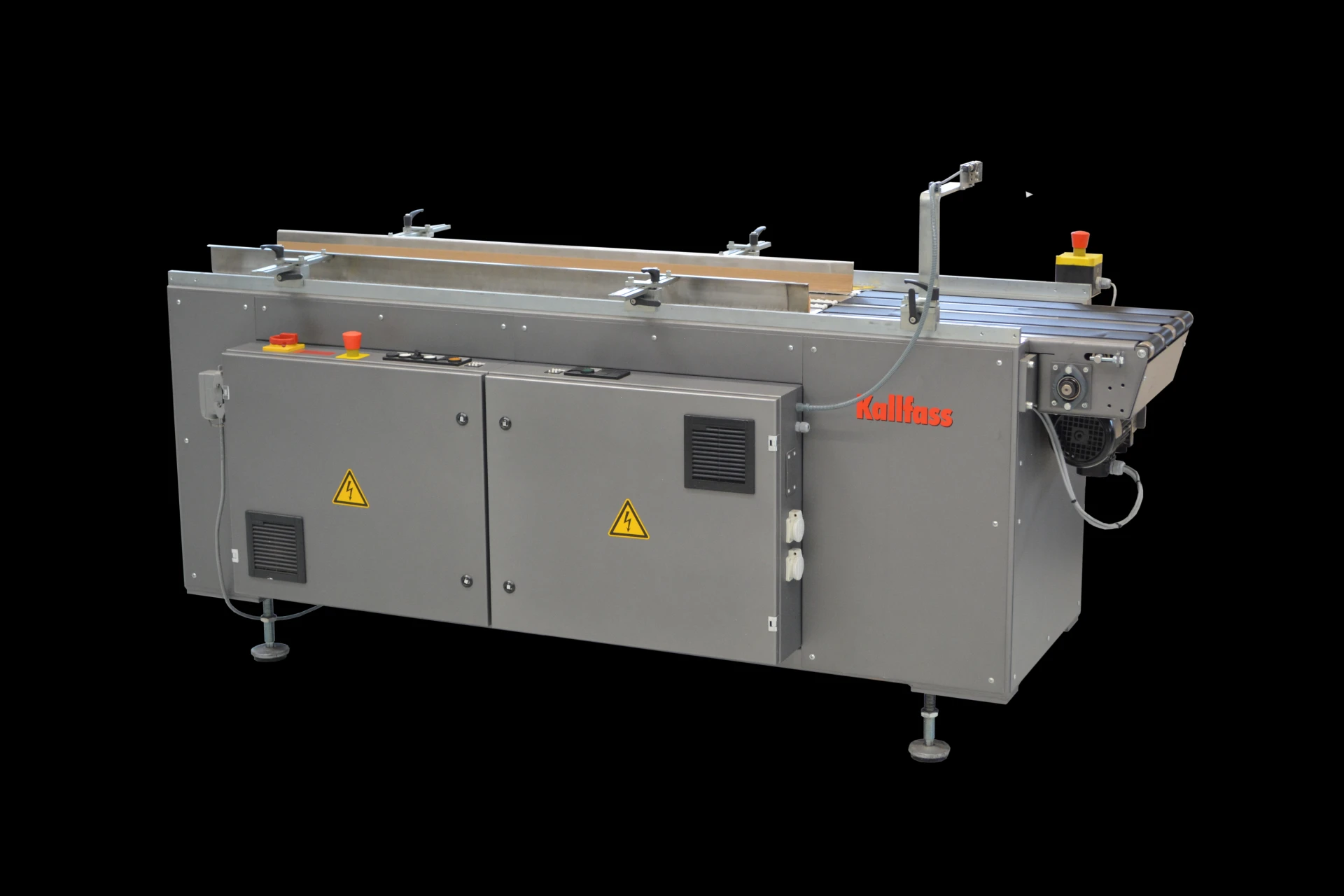
Maximizing floor space efficiency is critical in industrial packaging operations. Smart conveyor design plays a pivotal role in optimizing available floor area while ensuring smooth product flow. Packaging conveyor systems are designed to efficiently handle a wide range of product types. This blog explores how effective conveyor design can save space, improve workflow, and boost productivity for manufacturers and contract packaging companies.
What Are Key Features of Effective Packaging Conveyor Systems?
Packaging conveyor systems must be designed for high reliability, optimal layout, and customization to meet industry demands. Some essential features include:
- Modularity: Enables conveyors to be adjusted or expanded without major changes to the facility.
- Smooth transport: Ensures controlled movement to prevent product damage.
- Adjustable speeds: Matches conveyor speed with packaging line requirements.
- Accumulation zones: Allow temporary product holding or separation to prevent jams.
- Product alignment: Critical for precise film application or sealing in shrink wrapping.
A well-designed packaging conveyor integrates seamlessly with automatic shrink wrap machines and heat shrink tunnels. This integration achieves better floor use, allowing compact and efficient production lines.
How Do Different Conveyor Types Affect Floor Space?
The choice of conveyor type directly impacts how space is utilized. Here’s a look at key conveyor types common in packaging environments and their space considerations:
Packing Belt Conveyors—
These conveyors use a continuous belt to move products. Their slim profile allows for tight layouts and easy handling of uniform products. Belt conveyors are ideal for stable, consistent items that require smooth transfer without needing precise spacing.
Benefits for space efficiency:
- Compact design fits narrow aisles.
- Flexible routing with curves and inclines.
- Minimal product spacing needed, enabling dense layout.
Lugged Infeed Conveyors—
Lugged conveyors employ fixed lugs or pushers to separate and position items accurately. Though they occupy slightly more floor space than belts, they are necessary for lightweight or irregular products needing precise positioning for sealing or wrapping.
How lugged conveyors optimize layout:
- Control over product spacing and timing reduces packaging errors.
- Enables synchronized integration with shrink wrappers to avoid buffer zones.
- Modular construction allows custom lengths and layouts matching space constraints.
Modular and Table Top Conveyors—
Modular belt and table top conveyors consist of interlocking plastic segments or chain-linked slats. These types can be arranged to fit complex floor plans including curves, inclines, and small footprint applications.
Advantages include:
- Bend and curve configurations allow conveyor routing around obstacles.
- Modular parts reduce downtime and enable quick reconfiguration.
- Suitable for harsh environments due to ease of cleaning and durability.
How Does Conveyor Design Save Space While Improving Workflow?
Optimizing floor space is not just about compactness; it also enhances material flow and productivity. Smart conveyor design accomplishes this through:
- Vertical integration: Employing conveyors that raise or lower products (e.g., side grip conveyors) reduces horizontal footprint.
- Accumulation systems: Holding zones help regulate flow, preventing line stoppages without occupying extra floor area.
- Synchronization: Linking conveyors with packaging machines’ speed and timing eliminates unnecessary product gaps and wasted space.
- Custom layouts: Modular conveyors adapt to facility shape, enabling efficient pathways that minimize travel distance.
These strategies collectively compress the packaging line, increasing throughput and lowering facility costs.
Why Choose Complete Packaging Solutions & Systems Inc. / Kallfass USA?
Complete Packaging Solutions & Systems Inc. / Kallfass USA is renowned for engineered packaging automation designed to maximize efficiency and uptime. Their advanced shrink-wrap machines paired with integrated conveyors deliver:
- Up to 98.5% uptime with minimal maintenance.
- No compressed air requirements and energy regeneration technology.
- Film versatility allows all types without reprogramming.
- Automatic synchronization of conveyors and shrink wrap systems for flawless operation.
- Material savings of 10-15% through precision packaging.
Serving food, bakery, wood, cosmetics, pharmaceutical, and printing sectors, Kallfass USA focuses on premium industrial packaging conveyor systems without budget compromises. Their packaging conveyor systems are crafted for durability, precision, and adaptability, with user-friendly installation and integration.
What Should Manufacturers Consider When Designing Packaging Conveyor Systems?
For manufacturers seeking to optimize floor space and conveyor performance, key considerations include:
- Product characteristics: Weight, size, and shape influence conveyor type choice.
- Line speed and throughput requirements: Affect conveyor design and automation level.
- Facility layout and constraints: Inform conveyor routing, vertical or horizontal use.
- Integration with packaging equipment: Ensures synchronized operation, avoiding bottlenecks.
- Maintenance and flexibility: Modular systems reduce downtime and adapt to future needs.
By aligning conveyor design with these factors, packaging operations gain operational efficiency and space savings.
How Can Modular Conveyors Enhance Packing Operations?
Modular conveyors offer flexibility unmatched by traditional conveyor belts. They simplify maintenance and allow dynamic layout changes according to production demands.
Key benefits for packing:
- Easy cleaning and sanitation, vital for food and pharma.
- Ability to navigate tight turns and elevation changes.
- Individual modular sections can be replaced, reducing costs.
- Adaptability to product variations, improving line resilience.
Incorporating modular conveyor solutions into packaging conveyor systems directly optimizes floor space and operational agility.
Why Is Conveyor Integration With Shrink Wrap Machines Important?
Shrink wrap systems require precise product handling for quality packaging. Conveyor systems that integrate tightly with these machines keep products stable, spaced, and aligned.
Benefits of integration include:
- Eliminates spacing issues between products, reducing film waste.
- Enables plug-and-play setup without field programming.
- Supports energy-saving features like motion control and regeneration.
- Enhances line uptime by minimizing stoppages and downtime.
The Complete Packaging Solutions & Systems Inc. / Kallfass USA portfolio exemplifies such integration, providing superior performance for industrial shrink wrapping.
For packaging conveyor systems that prioritize precision, durability, and space optimization, Complete Packaging Solutions & Systems Inc. / Kallfass USA is a top partner. Their engineered conveyors paired with advanced automatic shrink wrap technology deliver a seamless packaging line built for speed and uptime. Contact Complete Packaging Solutions & Systems Inc. / Kallfass USA today to discover solutions that maximize efficiency and floor space.