The ability to track IMEI number information has become an important topic as smartphone theft, device fraud, and mobile security concerns continue to rise worldwide. Every Android smartphone is assigned a unique International Mobile Equipment Identity (IMEI) number that acts like a digital fingerprint. This identifier helps mobile operators recognize devices connecting to their networks and plays a critical role in security, authentication, and stolen phone recovery.
Many users assume that an IMEI number can instantly reveal a phone's exact location. However, the reality is much more complex. The technology behind IMEI-based identification involves telecom operators, equipment registers, network towers, and centralized databases working together.
Understanding how an imei number tracker system works can help Android users better protect their devices and understand what is actually possible when a phone is lost or stolen. In this guide, we'll explore the technology behind IMEI authentication, how mobile networks identify devices, the role of carrier databases, and the practical limitations of IMEI-based tracking.
Understanding IMEI Authentication
Every GSM, LTE, and 5G smartphone is assigned a unique 15-digit IMEI number during manufacturing.
When a device connects to a cellular network, it transmits this identifier to the network operator. This allows the operator to determine whether the device is legitimate and authorized to access the network.
Why IMEI Authentication Matters
IMEI authentication helps:
- Prevent stolen devices from accessing networks
- Detect counterfeit smartphones
- Reduce telecom fraud
- Improve network security
- Assist law enforcement investigations
Unlike a SIM card, which identifies a subscriber, the IMEI identifies the physical device itself.
Real-World Example
Imagine two users swapping SIM cards between phones.
The mobile number changes users, but the IMEI remains tied to each device. This allows telecom providers to continue identifying the handset regardless of which SIM card is inserted.
Industry Statistics
According to GSMA estimates, billions of mobile devices worldwide rely on IMEI authentication systems to ensure secure network access and device verification.
As smartphone theft remains a global concern, telecom operators increasingly depend on IMEI verification mechanisms to protect users.
How Mobile Networks Identify Devices
When an Android phone connects to a cellular network, several identification processes occur behind the scenes.
The network checks:
- Subscriber identity (SIM card)
- Device identity (IMEI)
- Authentication credentials
- Network permissions
This process happens within seconds and is completely invisible to the user.
The Device Registration Process
When your Android device powers on:
- The phone searches for nearby cellular towers.
- The SIM card authenticates with the network.
- The device sends its IMEI number.
- The network validates the device.
- Access is granted or restricted.
This sequence ensures both the user and device are recognized before communication begins.
How Towers Contribute
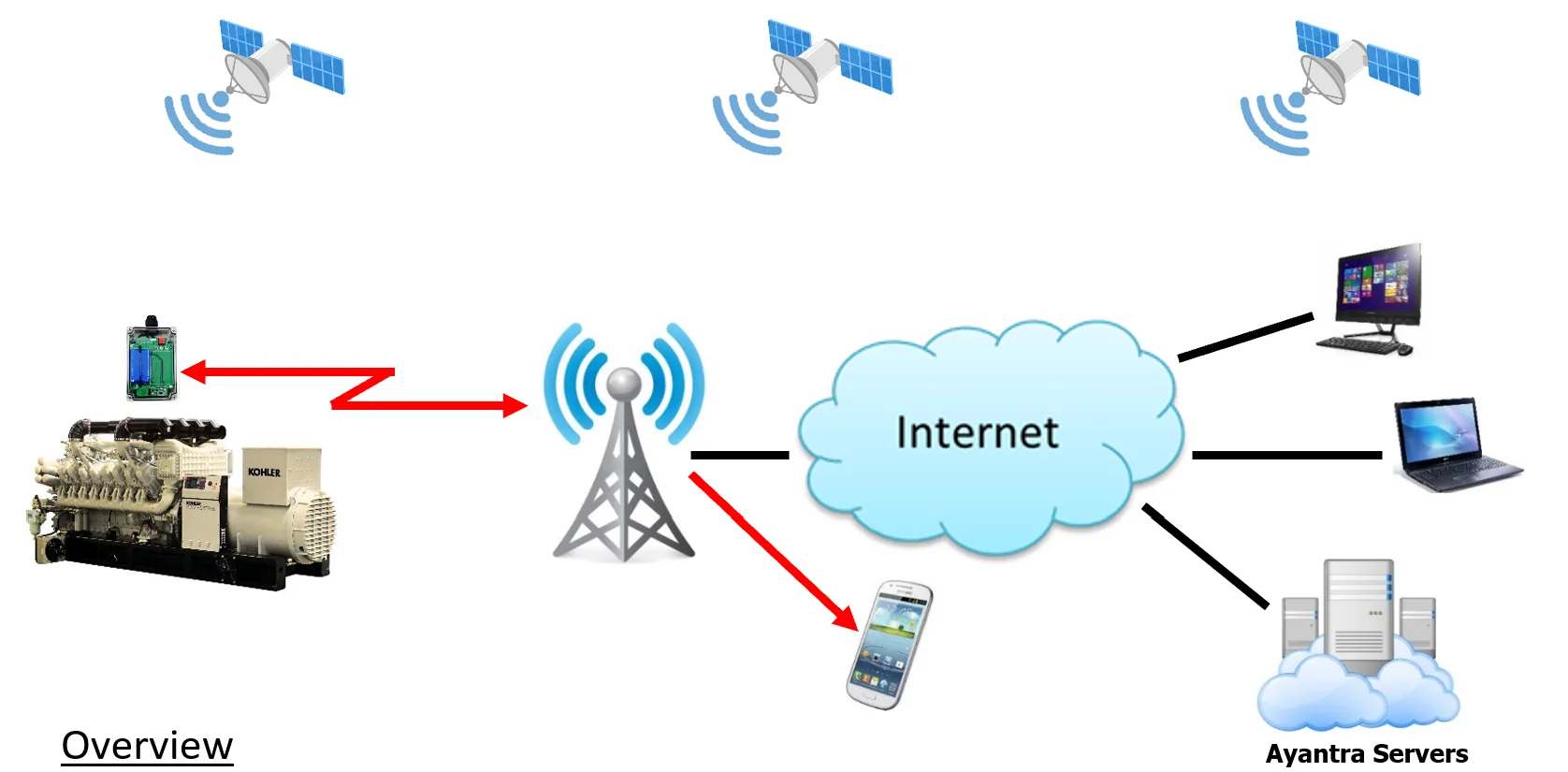
Mobile towers constantly communicate with connected devices.
Telecom operators can determine:
- Which tower a device is connected to
- Approximate service area
- Signal strength
- Device movement between towers
However, tower connectivity alone does not automatically provide precise GPS-level tracking.
Role of Carrier Databases
Carrier databases are among the most important components of the IMEI ecosystem.
Every major telecom operator maintains records of devices connecting to its network.
Equipment Identity Register (EIR)
The Equipment Identity Register contains multiple lists:
White List
Approved devices permitted on the network.
Black List
Reported stolen or blocked devices.
Grey List
Devices requiring additional monitoring or verification.
These databases help operators prevent unauthorized devices from accessing services.
Centralized IMEI Databases
Many countries have adopted centralized systems to improve stolen-device management.
Examples include:
- National Equipment Identity Registers
- Shared carrier databases
- Government-supported blocking systems
These databases allow multiple telecom operators to coordinate efforts against smartphone theft.
Case Study: Stolen Device Blocking
When a smartphone owner reports a stolen device and provides the IMEI number:
- The carrier verifies ownership.
- The IMEI is added to a blacklist.
- Participating networks deny service access.
- Resale value of the stolen device decreases significantly.
This process has become one of the most effective anti-theft measures in mobile communications.
Can IMEI Reveal a Device's Location?
One of the biggest misconceptions about IMEI technology is that anyone can use it to pinpoint a phone's exact location.
The truth is more nuanced.
What IMEI Can Do
An IMEI allows network operators to:
- Identify the device
- Verify authenticity
- Detect network activity
- Associate the device with connected towers
What IMEI Cannot Do
An IMEI alone cannot:
- Provide real-time GPS coordinates
- Allow public users to track devices
- Display location on a map
- Reveal movement history directly
How Authorities May Use IMEI Data
In specific legal situations, authorized agencies can request network records.
Combined with tower information, investigators may estimate a device's approximate location.
This process typically requires:
- Legal authorization
- Carrier cooperation
- Network activity from the device
Practical Example
Suppose a lost Android phone is powered on with a new SIM card.
The carrier may detect the device's IMEI connecting to nearby towers.
This information can assist investigations, but it is not the same as real-time GPS tracking available through Android's Find My Device service.
The Rise of Advanced Android Security Systems
Modern Android devices rely on multiple layers of security beyond IMEI identification.
Some commonly used technologies include:
- Google Find My Device
- Device Encryption
- Factory Reset Protection (FRP)
- Biometric Authentication
- Cloud-Based Location Services
This is where the concept of an imei tracker often gets confused with GPS and cloud tracking technologies.
In reality, these systems work together rather than replacing one another.
Why Multi-Layer Security Matters
If a phone is lost:
- IMEI helps identify the device.
- Google services help locate it.
- Remote locking protects data.
- Factory Reset Protection prevents unauthorized access.
Using all available security layers dramatically increases recovery chances.
Limitations of IMEI-Based TrackingAlthough IMEI technology is valuable, it has several important limitations.
Device Must Connect to a Network
If the phone is:
- Switched off
- Airplane mode enabled
- Out of coverage
Network operators cannot detect new activity.
Location Accuracy Constraints
Cell tower data generally provides approximate location information rather than exact GPS coordinates.
Urban areas may offer better accuracy than rural regions due to higher tower density.
Legal and Privacy Restrictions
IMEI-related data is heavily regulated.
Telecom operators cannot provide user location information to the public without proper authorization.
These privacy protections are essential for preventing misuse.
IMEI Cloning Risks
Although increasingly rare, criminals sometimes attempt to clone IMEI numbers.
Modern telecom systems now use advanced detection mechanisms to identify suspicious duplication activity.
Recovery Is Not Guaranteed
Even when an IMEI is reported:
- Recovery may take time.
- Law enforcement involvement may be required.
- Device retrieval is not always successful.
Therefore, prevention remains more effective than recovery.
Best Practices for Android Users
To improve device security:
- Record your IMEI number immediately after purchase.
- Store the number in a secure location.
- Enable Find My Device.
- Activate screen locks and biometrics.
- Keep Android software updated.
- Report theft quickly if a device goes missing.
You can usually view your IMEI by dialing:
*#06#
or checking device settings.
Conclusion
Understanding how to track IMEI number information requires looking beyond popular myths. IMEI technology is primarily designed for device identification, authentication, and network security rather than public GPS tracking.
Carrier databases, Equipment Identity Registers, and network authentication systems all work together to help identify devices and combat smartphone theft. While an imei number tracker system can support investigations and device recovery efforts, it does not provide the instant location-tracking capabilities many people assume.
For Android users, the most effective protection strategy combines IMEI awareness with modern security tools such as Find My Device, device encryption, and remote locking. Together, these technologies create a stronger defense against theft, fraud, and unauthorized access.
Frequently Asked Questions
Can an IMEI number track a phone's exact location?
No. An IMEI number alone cannot provide real-time GPS coordinates. Telecom operators may use network information and tower records to estimate a device's location under authorized circumstances.
Is an IMEI number tracker available for public use?
Most websites claiming to offer public IMEI tracking are misleading. Legitimate IMEI-based identification generally requires carrier access, authorized databases, or official reporting systems.
Can a stolen Android phone be recovered using its IMEI?
Recovery is possible in some situations. If the device connects to a mobile network, telecom operators may identify it through its IMEI and assist authorized investigations.
What is IMEI tracking?
IMEI tracking refers to the process of identifying and monitoring a mobile device through its unique IMEI number using carrier networks, equipment registers, and security databases.
How to track IMEI number legally?
Report the device to your telecom operator and local authorities. They can use authorized systems and carrier databases to assist with device identification and recovery efforts.
Best way to protect a phone from theft?
The best approach is enabling Find My Device, recording your IMEI number, using strong screen locks, activating biometric security, and reporting lost devices immediately.