Commercial property managers generally need to schedule catch basin cleaning at least once a year to prevent localized flooding and structural damage to parking lots. Maintaining these drainage systems ensures that heavy rainfall exits the property through the correct channels rather than pooling on the asphalt or seeping into the building foundations. Most experts suggest a bi-annual check for high-traffic areas or locations prone to heavy foliage to keep the sumps clear of debris. Professional catch basin cleaning services in South Florida provide the necessary vacuum equipment to remove the buildup of silt, trash, and organic matter that typical maintenance crews cannot reach.
Indicators That Your Drainage System Is Approaching Capacity
Visual inspections remain the most reliable way to determine if a cleaning is overdue for your facility. You should lift the grate and measure how much sediment has accumulated in the bottom of the structure. A general rule of thumb states that the basin needs professional attention once it is one-third full of solid material. If the debris sits just a few inches below the discharge pipe, you are one heavy afternoon thunderstorm away from a total backup. Waiting until you see water pooling around the drain usually means the pipes are already partially clogged.
Slow drainage serves as another major red flag for property owners. You might notice that the parking lot stays wet for hours or even days after a storm has passed. This sluggishness indicates that the outlet pipe is restricted by trash or thick sludge. Bubbling sounds or "glugging" during a rain event suggests that air is trapped behind a blockage, signaling an imminent failure. Addressing these symptoms early prevents the need for emergency hydro-jetting services, which cost significantly more than a routine vacuuming appointment.
Key Factors Influencing Your Cleaning Frequency
- Proximity to Foliage: Trees drop leaves, seeds, and branches that quickly fill up a basin during the fall and spring months.
- Traffic Volume: High-traffic retail hubs accumulate more trash, oil, and tire rubber particles than quiet warehouse districts.
- Surface Type: Dirt or gravel lots contribute much more silt and sand to the drainage system than fully paved areas.
- Local Weather Patterns: Frequent tropical storms or heavy rainy seasons wash significantly more surface debris into the grates.
How Does Car Wash Tank Cleaning Differ From Standard Drains?
Specialized businesses face unique drainage hurdles that go beyond simple rainwater management. A professional car wash tank cleaning involves removing thick layers of grit and chemical residues that wash off vehicles all day long. These tanks act as interceptors, preventing sand and wax from entering the municipal sewer system, where they could cause massive blockages. Because car washes operate constantly, their grit traps fill up much faster than a standard parking lot drain. Most car wash owners find that a quarterly cleaning schedule is necessary to keep their operations running without environmental violations.
Silt and heavy metals often settle at the bottom of these specialized tanks, creating a dense muck that requires high-powered vacuum suction. Failing to clear these pits results in water backing up into the wash bays, which halts production and irritates customers. This specific type of maintenance requires technicians who understand how to handle oily water and industrial soaps safely. Keeping these tanks clear protects your expensive pumping equipment and ensures you remain in compliance with local water management district rules.
Does Your Property Have a High Risk for Clogs?
Locations situated at the bottom of a hill or near major construction zones face a much higher risk of rapid sediment buildup. Gravity pulls runoff from surrounding areas onto your lot, bringing extra silt and gravel along for the ride. If neighbors are currently building or landscaping, the loose soil will inevitably find its way into your grates. You might need to check your basins every three months during active construction nearby to ensure your pipes don't become impacted with heavy clay or sand.
Industrial sites that handle loose materials like mulch, grain, or minerals also require more frequent attention. These fine particles bypass the metal grates easily and settle into a hard, concrete-like layer at the bottom of the basin. Regular agitation and vacuuming prevent these materials from solidifying and becoming a permanent obstruction. Mapping out the "hot spots" on your property helps you allocate your maintenance budget more effectively. Some drains might only need annual care, while those near the loading dock or main entrance require a more aggressive schedule.
The Technical Process of Removing Underground Blockages
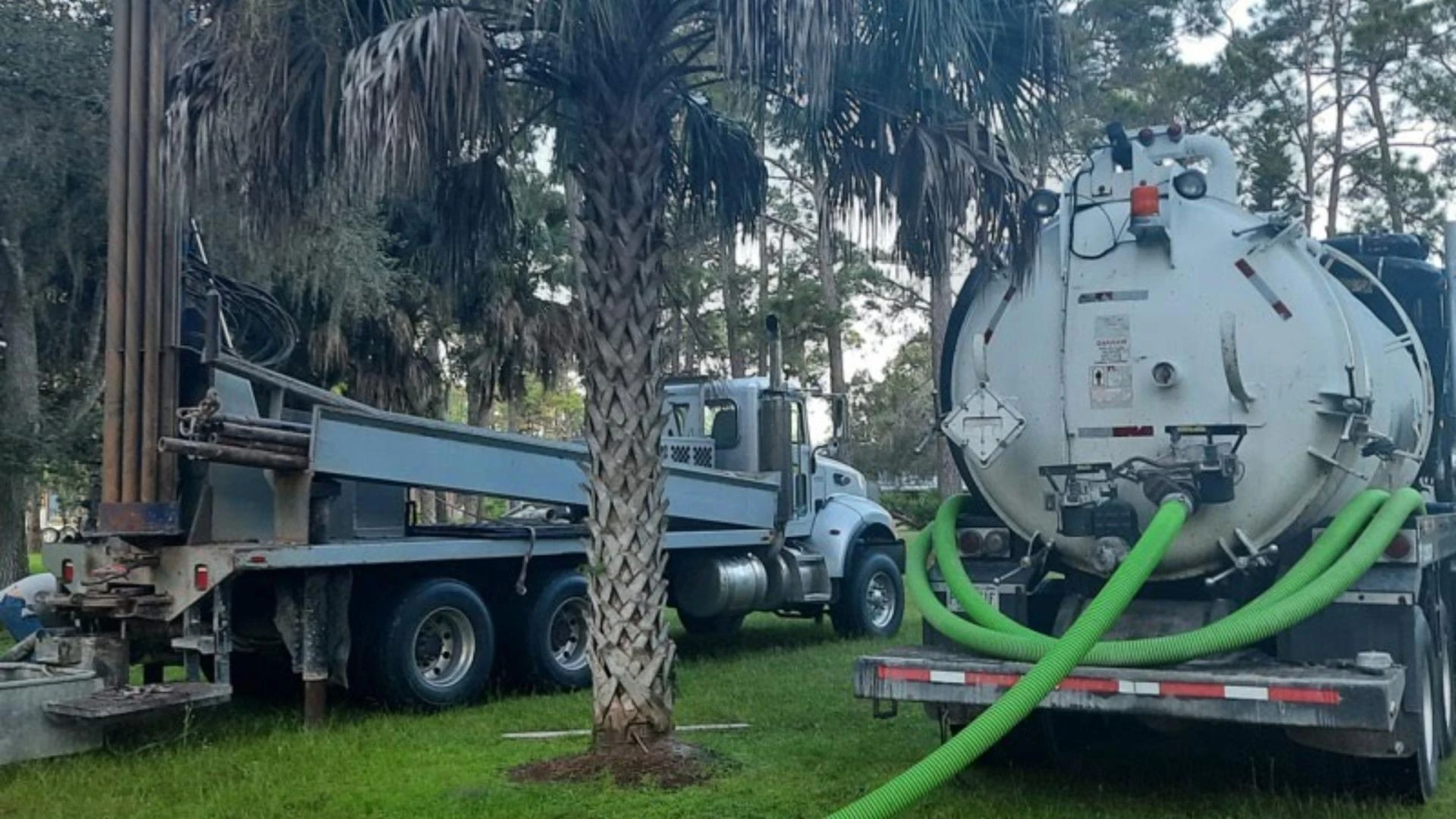
Removing the heavy sludge from a catch basin requires more than just a shovel and a bucket. Professional crews utilize vactor trucks equipped with massive debris tanks and high-pressure hoses. The process begins by vacuuming out the standing water to reveal the level of the solid waste. Once the water is gone, the powerful suction pulls out the compacted mud, rocks, and litter. This material is then transported to a certified facility for proper disposal, ensuring that pollutants don't end up back in the local ecosystem.
Technicians often use high-pressure water jets to "scour" the lines leading out of the basin after the sump is empty. This step ensures that any debris that managed to enter the pipe is pushed through to a larger main or pulled back into the truck. Cleaning the basin without checking the connecting pipes is only a half-measure. A comprehensive service leaves the entire underground network clear and ready for the next seasonal deluge. This thorough approach provides the maximum level of protection for your investment and minimizes future service calls.
Maintaining Your Assets with Pro-Vac Sludge Services
Managing the hidden infrastructure of a commercial site requires a partner who brings both the right equipment and regional expertise. Pro-Vac Sludge Services specializes in maintaining the health of drainage systems across the state. Their team focuses on removing the heavy buildup that leads to parking lot flooding and structural decay. By utilizing advanced vacuum technology, they ensure that every catch basin and grit trap is restored to its full capacity.
The company provides essential maintenance like catch basin cleaning services in South Florida, along with specialized tasks such as car wash tank cleaning. Their technicians handle the logistics of waste removal and disposal, allowing property managers to focus on their daily operations. Choosing Pro-Vac Sludge Services means your property stays dry and compliant throughout the year. Their approach to drainage maintenance protects the value of your asphalt and keeps your business accessible regardless of the weather.
The Bottom Line
Determining how often to clean your catch basins depends on the specific environmental stressors surrounding your commercial property. Annual service remains the absolute minimum for most businesses, but high-traffic areas or foliage-heavy sites should aim for a bi-annual rotation. Proactive care is significantly cheaper than reacting to a flooded lot or a collapsed drainage pipe. Partnering with a professional like Pro-Vac Sludge Services ensures your site remains safe, functional, and free from the hazards of standing water.