
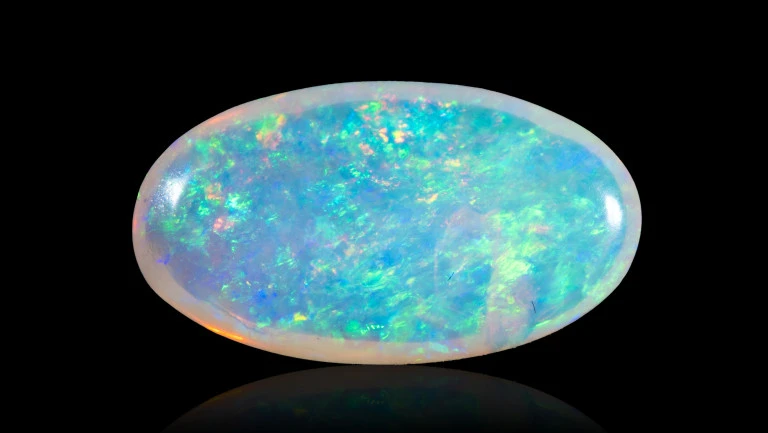
Opal is one of the most fascinating gemstones because it is formed differently from most crystalline stones. Unlike diamonds or sapphires, opal is an amorphous gemstone, meaning it does not have a fixed crystal structure.
Opal forms when silica-rich water seeps into cracks and cavities of rocks over millions of years. As the water slowly evaporates, microscopic silica spheres are deposited. When these spheres arrange in a uniform pattern, they create the famous play-of-color effect seen in precious opals.
Different environmental conditions give rise to different opal types. For example, Australian opals often form in sedimentary rocks, while Ethiopian opals are commonly found in volcanic regions. This natural formation process makes every opal stone unique no two opals ever look exactly the same. Make sure to buy original opal stone.
Understanding how opal is formed helps buyers appreciate why genuine opals are rare, delicate, and highly valued in fine jewelry.