
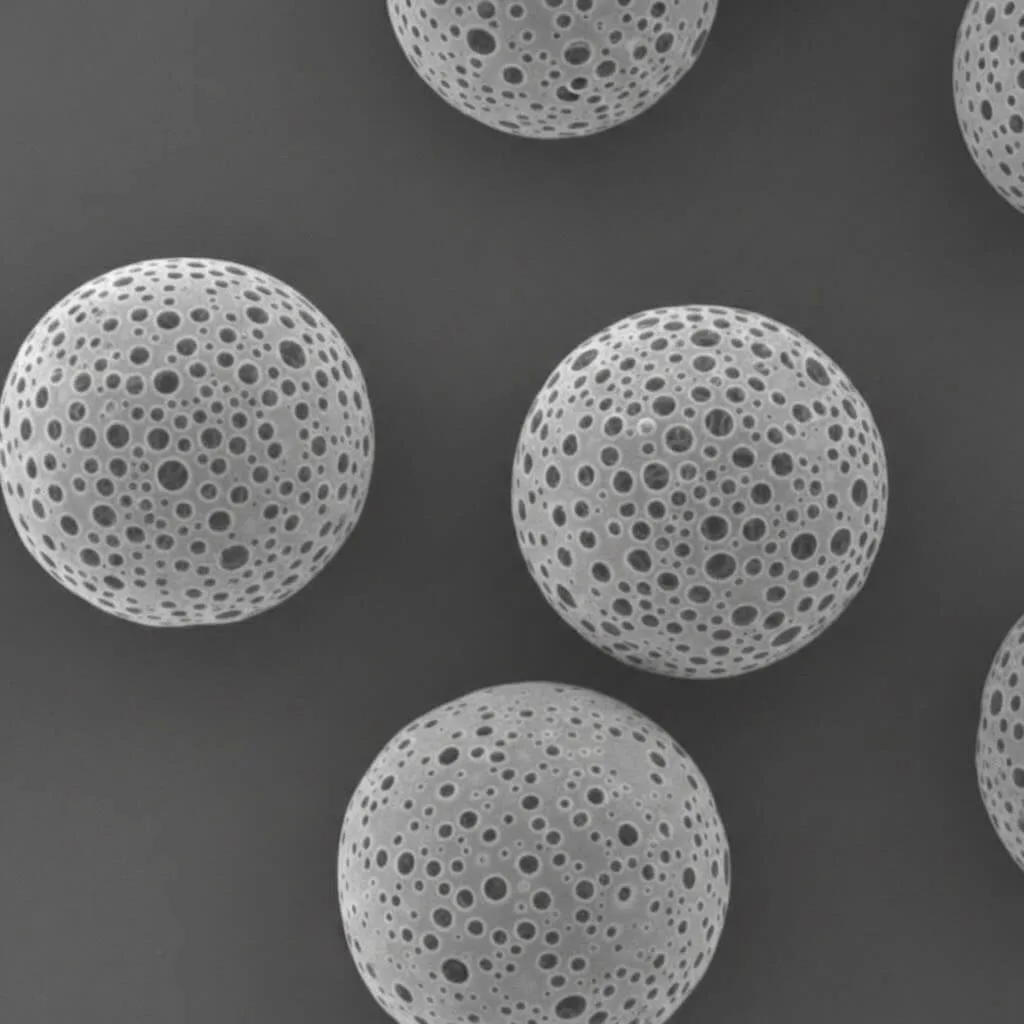
Learn how PLLA porous microspheres improve cosmetics, targeted drug delivery, and tissue engineering safely by reading this article.
If you look closely at recent shifts in medical materials, poly L-lactic acid (PLLA) is hard to miss. Specifically, PLLA porous microspheres are getting a lot of attention right now. They safely break down into lactic acid inside the body and work incredibly well with human tissue. Because specialized suppliers like eSUNMed help maintain high standards for these polymers, we are seeing these porous spheres succeed across several highly demanding clinical fields.
Right now, doctors and researchers are leaning on this technology in three main ways:
1. Reconstructive and Cosmetic Surgery
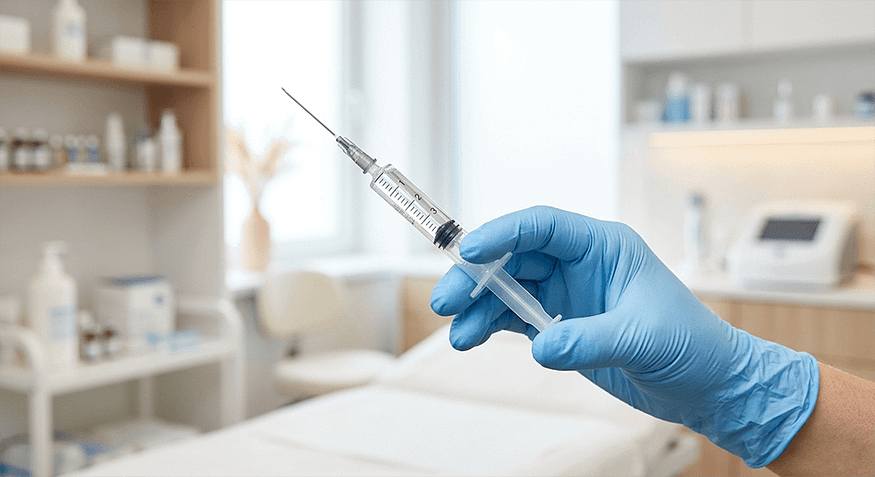
Aesthetic medicine is probably where these materials are most visible today. Many cosmetic procedures now use them as advanced dermal fillers. They can be injected subcutaneously to stimulate collagen production and improve skin elasticity. Unlike older, solid fillers that just take up space, the porous design invites the patient’s own cells to grow inside the material. This biological integration encourages the body to build Type I and Type III collagen, resulting in a natural-looking volumizing and rejuvenating effect that lasts much longer.
2. Targeted Drug Delivery
These microscopic spheres do some heavy lifting in pharmacology, too. Scientists realized that the empty space inside the highly porous structure is incredibly useful. It allows the material to act as a drug carrier to deliver therapeutic agents to target tissues or organs, such as in the treatment of liver cancer or bone defects. The medicine sits inside the pores and releases slowly over time. This means patients get a steady, localized dose exactly where they need it, which can help minimize systemic side effects.
3. Growing New Cartilage
Tissue engineering is another major frontier. Researchers have started mixing PLLA porous microspheres into specialized hydrogel scaffolds to help repair damaged cartilage. The microspheres add vital mechanical strength to the implant. For patients needing complex ear reconstruction — like those born with microtia — this technology provides a framework that actually encourages natural cartilage cells to attach, multiply, and form new tissue.
The consensus from recent years of research is clear. Due to their biocompatibility and biodegradability, PLLA porous microspheres have been shown to be safe and effective in clinical trials. They are proving that the best medical interventions are the ones that actively work alongside the body’s natural processes.