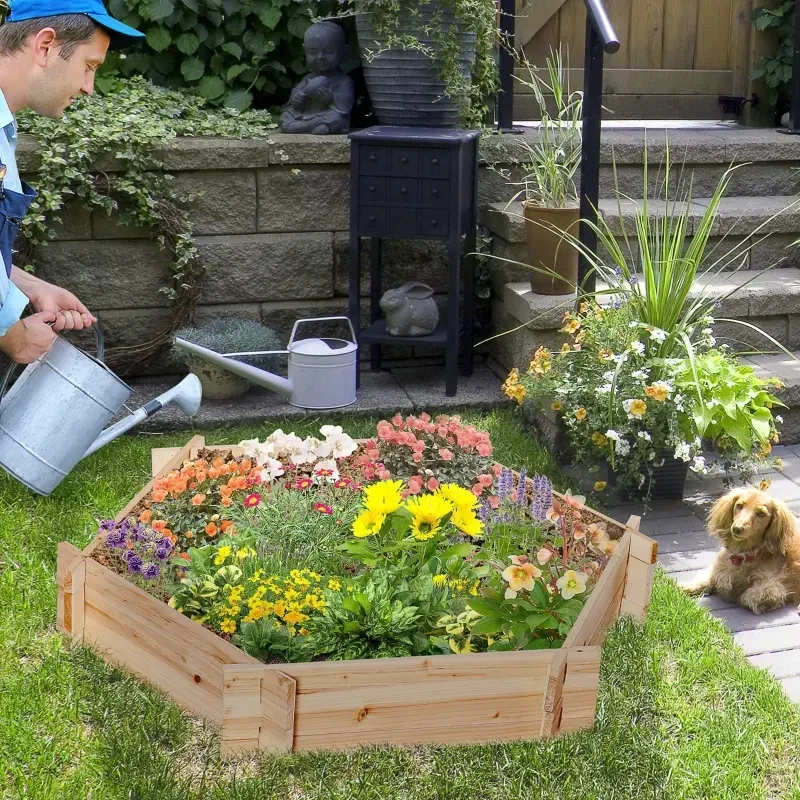
Selecting the right garden planter box is essential for creating a thriving garden. Whether you're an experienced gardener or just starting, the right container can make all the difference in the growth and health of your plants. With so many options available, it can be challenging to know where to start. Here's a guide to help you choose the perfect garden planter box for your space, keeping in mind your plants, available area, and style preferences.
1. Consider Your Plant’s Needs
Different plants have varying requirements when it comes to their root space, drainage, and sunlight. Start by considering what you plan to grow and what type of environment it thrives in.
- Vegetables and Herbs: Choose deep garden planter boxes for vegetables like tomatoes, carrots, and lettuce. Herbs generally require a moderate depth, making shallow boxes a great option.
- Flowers: If you're planting flowers, ensure the garden planter box is large enough to accommodate their root systems. Some flowers also benefit from wider planters, which offer more space for growth.
- Succulents and Cacti: These plants do well in smaller, shallow planters with excellent drainage.
2. Size and Space
The size of your garden planter box should depend on how much space you have available and how many plants you intend to grow. Smaller spaces may require compact boxes, while larger areas might accommodate bigger containers with multiple plants.
- Small Gardens: For patios, balconies, or small gardens, opt for compact or modular garden planter boxes that maximize limited space. You can also choose vertical garden planters to save ground space while growing multiple plants.
- Larger Gardens: For larger garden beds or open areas, consider bigger garden planter boxes. These provide ample space for larger plants and can be arranged to create a striking garden feature.
3. Material Matters
Garden planter boxes come in various materials, each offering different benefits and aesthetics. When choosing the material, think about durability, weight, and the look you want to achieve.
- Wooden Planters: A classic choice, wooden garden planter boxes are durable and provide a natural aesthetic that blends well with outdoor spaces. Cedar and redwood are popular choices for their resistance to decay. However, wooden planters can be heavier and may require regular maintenance, such as sealing or treating to prevent rot.
- Plastic Planters: Lightweight, affordable, and available in a wide range of colours and shapes, plastic garden planter boxes are easy to move and maintain. However, they may not be as durable as other materials and can become brittle over time.
- Metal Planters: Galvanized steel or copper garden planter boxes offer a modern, sleek look. Metal is durable but can heat up quickly in direct sunlight, which may affect the soil temperature for sensitive plants.
- Ceramic and Clay Planters: These materials are visually appealing and work well for both outdoor and indoor spaces. However, they can be heavy and prone to cracking in freezing temperatures.
4. Drainage is Key
Proper drainage is crucial for healthy plant growth. Without it, excess water can accumulate in the planter, causing root rot and other issues.
- Look for Planters with Drainage Holes: Ensure the garden planter box has drainage holes at the bottom to allow excess water to escape. If your chosen planter doesn't have drainage holes, you can drill your own.
- Water Reservoirs: Some garden planter boxes come with built-in water reservoirs, which allow for better water management and help prevent overwatering. This is particularly helpful for larger plants that need consistent moisture.
5. Aesthetic Appeal
The garden planter box you choose should complement your garden’s style. Planters come in a variety of designs, from modern to rustic, so there’s something for every garden style.
- Match the Style of Your Garden: Consider the existing style of your garden when choosing a garden planter box. Wooden planters work well in rustic or natural gardens, while sleek, modern planters suit minimalist or contemporary spaces.
- Colour and Texture: Garden planter boxes come in a range of colours and textures, from neutral tones like beige and grey to more vibrant hues. Make sure the colour of your planter blends well with the plants and the overall theme of your outdoor space.
6. Mobility and Flexibility
If you like to change the layout of your garden or move your plants to follow the sun, consider mobility when choosing a garden planter box.
- Rolling Planters: For easy mobility, choose rolling garden planter boxes. These often come with wheels and can be moved effortlessly around your garden or patio.
- Modular Systems: Modular garden planter boxes allow you to customize your garden arrangement. They can be rearranged to fit different spaces or accommodate different plant types.
7. Climate Considerations
When selecting a garden planter box, think about the climate in your area. Some materials may fare better in extreme weather conditions, while others may not hold up as well.
- Cold Climates: If you live in a region with freezing winters, consider garden planter boxes made from frost-resistant materials, such as plastic or treated wood. Ceramic and clay pots can crack in freezing conditions.
- Hot Climates: In hot climates, choose garden planter boxes made from materials that help keep the soil cool, like ceramic or glazed pottery. Avoid metal planters, as they can heat up quickly and dry out the soil.
8. Budget-Friendly Options
Finally, consider your budget when choosing a garden planter box. While some materials, like wood and ceramic, can be pricier, there are plenty of affordable options made from plastic or composite materials.
- DIY Planter Boxes: If you're on a budget, consider building your own garden planter boxes. You can use reclaimed wood or other inexpensive materials to create custom planters that suit your needs and your garden's style.
Choosing the right garden planter box for your garden is all about balancing practical needs with aesthetic preferences. By considering your plants’ needs, available space, material options, and the climate in your area, you can select the perfect planter that will not only complement your garden but also support healthy plant growth. Whether you're looking for something classic, modern, or functional, there’s a garden planter box that’s perfect for your space and plants.
FAQs
1. How do I prevent my garden planter box from becoming too heavy when filled with soil?
To prevent your planter from becoming too heavy, choose lightweight materials like plastic or resin for the box. Additionally, use a mix of lightweight potting soil and organic matter, such as perlite or vermiculite, to reduce the overall weight while still providing proper drainage and nutrition for your plants.
2. What should I do if my planter box doesn't have drainage holes?
If your garden planter box lacks drainage holes, you can easily drill your own using a power drill and a suitable drill bit. If drilling isn't an option, consider using a liner or placing gravel at the bottom of the box to help improve drainage and prevent water buildup that could harm your plants.
3. How can I protect my garden planter box from harsh winter conditions?
To protect your garden planter box from freezing temperatures, use frost-resistant materials like plastic or treated wood. During winter, elevate the box off the ground using pot feet, and consider wrapping it in burlap or frost blankets to insulate the planter and keep the soil temperature stable.