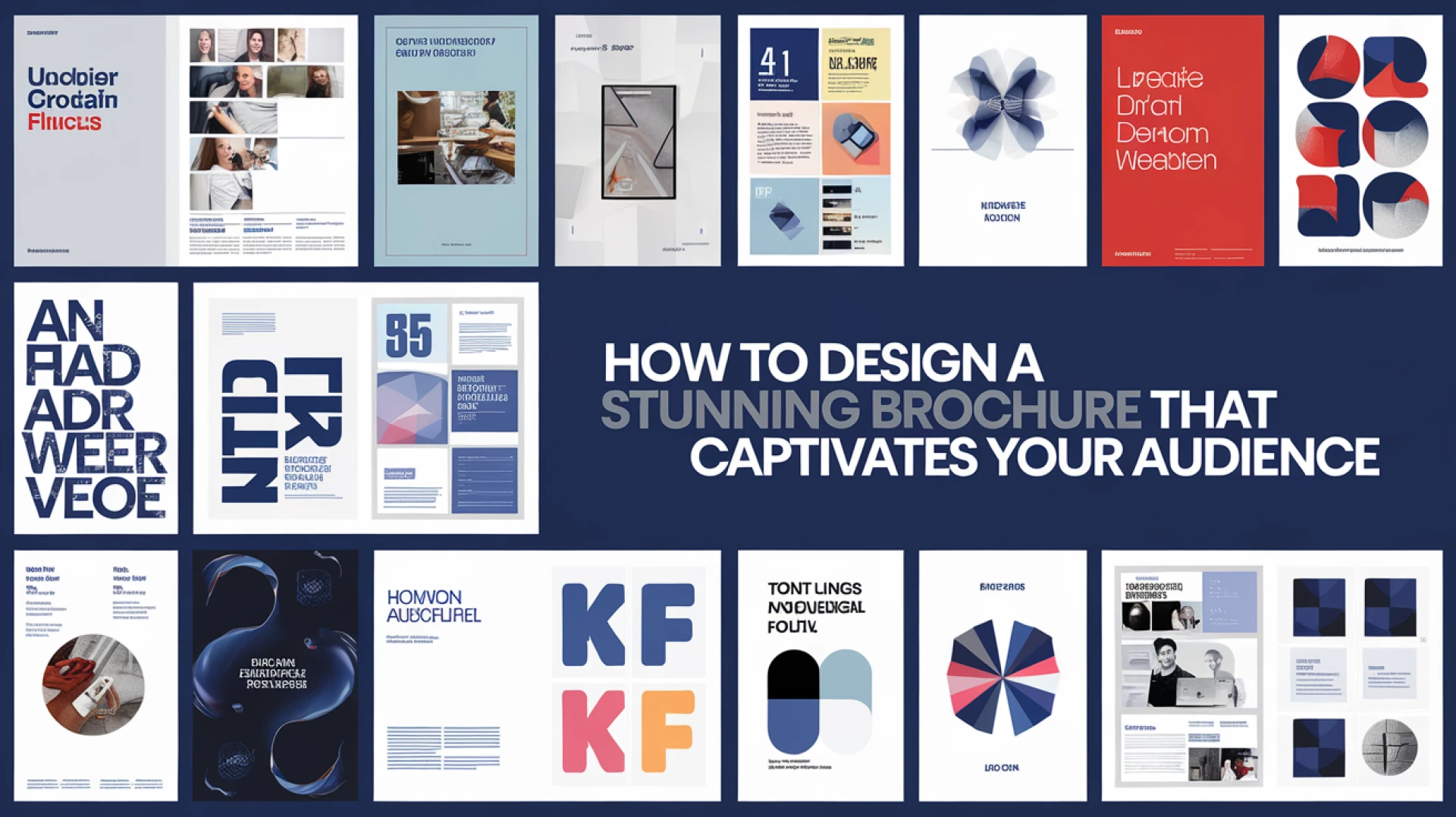
In today’s online world, brochures still work well. They are an easy way to share ideas. Whether you want to grow a business, sell a product, or promote an event, a good brochure can leave a strong impact. It’s more than just paper—it’s a way to connect with people and tell your story.
This guide will help you make a brochure that looks great and does its job. You’ll learn how to write a catchy title, design simple but bold layouts, and pick the right printing style. By the end, you’ll know how to make a brochure that stands out and gets results.
1. Write a Title That Stands Out
Your title is the first thing people notice, so make it strong. A good title is short, clear, and makes people curious. If you're making a brochure for a high-end resort, try a title like "Escape to Paradise: Your Dream Trip Awaits." It grabs attention right away.
Pro Tips:
- Use big, bold fonts.
- Keep it short—5 to 7 words work best.
- Make sure it fits your brand and message.
2. Layout: Pick a Format That Matches Your Message
The layout is the base of your brochure’s design. Different formats work best for different content:
- Bi-Fold: Simple and great for clear messages.
- Tri-Fold: Helps break down information into sections.
- Z-Fold: Opens in a zigzag for a fun look.
- Gatefold: Adds a big reveal, often used for luxury brands.
- Accordion Fold: Works well for step-by-step guides or stories.
Design Tips:
- Use grids to keep everything neat.
- Mix text and images so the page isn’t too crowded.
- Leave space around elements for a clean, polished style.
3. Design Elements: Fonts, Colors, and Images
A good design grabs attention and keeps readers interested.
Fonts:
- Pick fonts that match your brand. Serif fonts (like Times New Roman) feel classic, while sans-serif fonts (like Helvetica) look modern.
- Use no more than two or three fonts for a clean style.
- Make sure the text is easy to read, especially headlines.
Colors:
- Choose colors that fit your brand.
- Use color psychology: blue builds trust, red adds energy, and green gives a natural feel.
- Keep good contrast between text and background for easy reading.
Images & Graphics:
- Use sharp, high-quality pictures.
- Choose real-life images over stock photos.
- Add icons or infographics to explain complex ideas.
4. Description: Write Clear and Engaging Content
Your brochure content should be easy to read, interesting, and clear.
Tips for Writing Effective Content:
- Start with a strong headline on each panel to grab attention.
- Use subheadings to break up the text.
- Keep paragraphs short and use bullet points for key points.
- Add a clear call-to-action (CTA), like "Visit Our Website" or "Call Now to Learn More."
Example:
For a travel brochure, use headings like "Explore Hidden Gems" or "Enjoy World-Class Service" to highlight special features.
5. Call-to-Action (CTA) Optimization
Your brochure should guide readers to act. A strong CTA should be clear, easy to follow, and stand out.
Best Practices for CTAs:
- Use action words: "Book Now," "Get Started," or "Join Us Today."
- Make the CTA stand out with bold fonts or bright colors.
- Place CTAs at key spots, like the end of sections or on the back cover.
6. Tags: Use Keywords for Better Searchability
If your brochure is shared online or stored in a catalog, tags help people find it.
How to Use Tags Effectively:
- Add keywords that match the brochure’s purpose.
- For example, a fitness brochure might use tags like "gym membership," "health and fitness," and "personal training."
- Tags help organize your brochure, making it easier to find later.
7. Paper & Printing Options
The paper and print quality can affect how well your brochure works.
Paper Types:
- Glossy: Brings out colors and images, great for vibrant designs.
- Matte: Gives a clean, professional look.
- Recycled: Good for eco-friendly audiences.
Printing Methods:
- Offset Printing: Great for large runs and top-quality results.
- Digital Printing: Cost-effective for small batches or custom prints.
Finishing Touches:
- Lamination: Makes the brochure last longer and look better.
- Embossing/Debossing: Adds a premium, textured feel.
- UV Coating: Adds shine and protects against wear.
8. Brochure Folding Styles & Their Best Uses
The fold of your brochure can help make it look better and work better.
- Tri-Fold: Best for organizing info into clear sections.
- Bi-Fold: Simple and good for short messages.
- Gatefold: Great for dramatic reveals, used for high-end promotions.
- Accordion Fold: Perfect for stories or step-by-step guides.
Pick a fold that fits your content and improves the reader’s experience.
9. Accessibility & Readability
Make sure your brochure is easy to read for everyone, including people with vision problems.
Tips for Accessibility:
- Use high-contrast text and background colors.
- Choose a font size that’s easy to read (12pt or bigger for body text).
- Include a digital version that works with screen readers.
- Offer a large-text version for people who need it.
10. Private or Public: Choose the Right Audience
Decide if your brochure is for a specific group or a wider audience.
- Private Brochures: Great for special events or personal messages.
- Public Brochures: Best for a large group, with general appeal.
Ways to Distribute:
- Hand out at events or conferences.
- Place in racks at key spots.
- Mail directly to customers or include in packages.
Conclusion
Making a great brochure is both fun and smart. By choosing a catchy title, a clear layout, strong content, good visuals, and the right printing, your brochure can do more than inform—it can inspire action.
Every detail matters, from the paper you choose to the placement of your call-to-action. A well-made brochure can boost your brand and leave a lasting impression.
Ready to make your brochure shine? Visit Print in London for top-quality printing services that will make your brochure look amazing both online and in print. Let’s create something unforgettable!