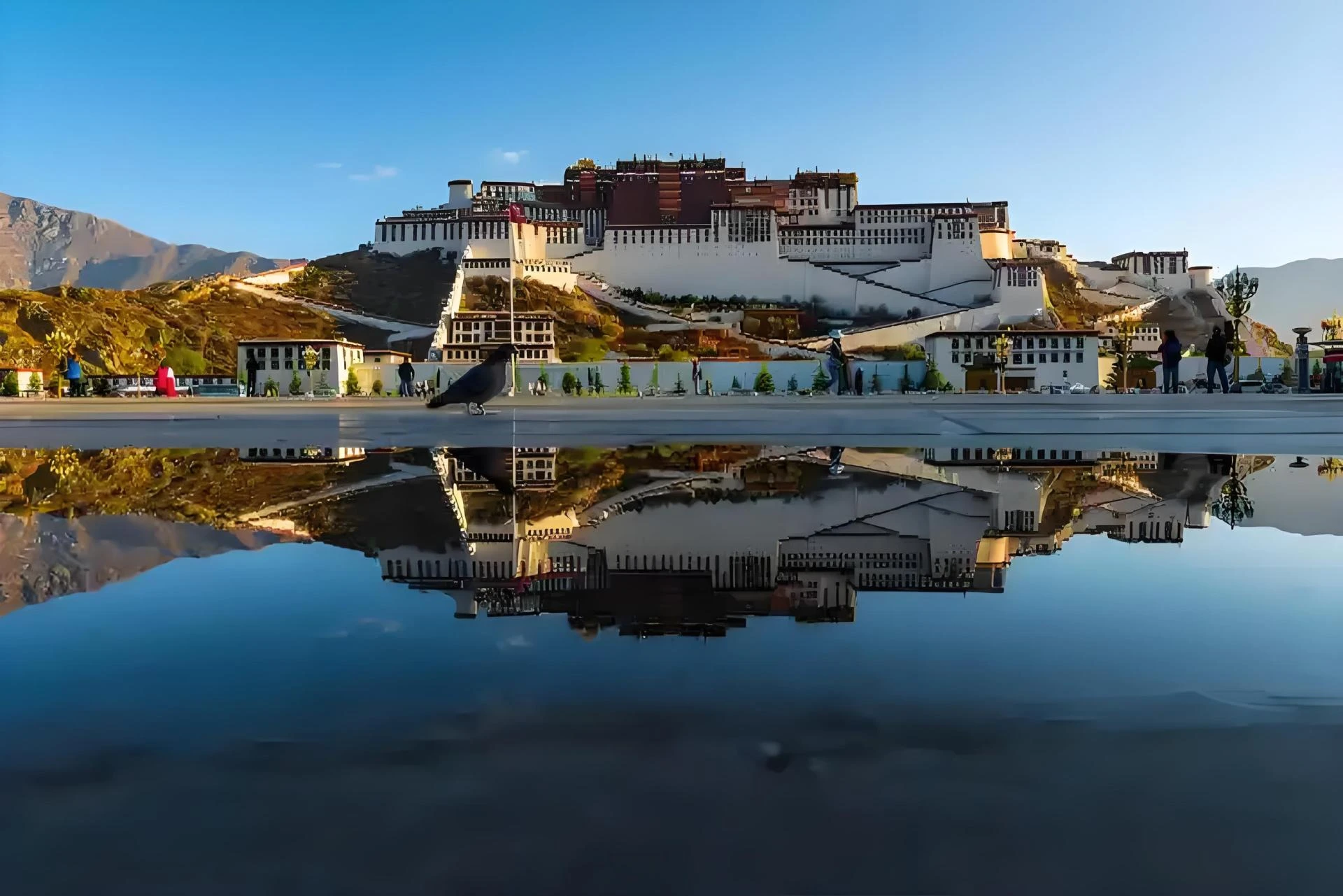
Tibet is one of the most mystical and culturally rich regions on earth. With its vast landscapes, stunning Himalayan mountains, ancient monasteries, and unique Tibetan culture, it’s no surprise that Tibet is a dream destination for many travelers. However, due to its unique political status and geography, visiting Tibet requires careful planning and special considerations. If you’re planning to visit Tibet, here’s a step-by-step guide to help you navigate the process.
Tibet is a region that requires considerable preparation before visiting. Due to its geographical location and political circumstances, travelers must obtain special permits and approvals. Planning well ahead of time will ensure you don't encounter any roadblocks in the process.
One of the most critical requirements for visiting Tibet is obtaining the Tibet Travel Permit. This permit is required for all foreign visitors to Tibet and must be obtained before you can enter the region. Here's how to go about it:
The Tibet Travel Permit can only be obtained through an authorized travel agency. These agencies will help you arrange your permits and other logistical details.
You will need to provide a scanned copy of your passport and Chinese visa to the travel agency. If you're planning to visit Tibet after traveling to other parts of China, you'll also need a valid Chinese visa.
It can take up to 10-14 business days to process your Tibet Travel Permit. Therefore, you should start applying at least a few weeks before your planned trip.
Once your permit is issued, the agency will mail it to your hotel in China or provide it electronically, depending on your specific arrangements.
If you plan to travel to certain areas like Mount Kailash or Everest Base Camp, you will need additional permits, such as the Alien’s Travel Permit and Military Permit. These are typically arranged by your travel agency in advance.
Tibet’s high-altitude environment means that the best time to visit is during the warmer months, from May to October. During this period, the weather is more temperate, and the skies are clear, making it ideal for sightseeing. However, the summer months (July and August) are the peak tourist season, so expect larger crowds.
Winter (November to March) is harsh, with very cold temperatures, but it’s also a quieter time to visit. If you’re willing to brave the cold, you can enjoy Tibet’s serenity without the crowds.
There are two primary ways to reach Tibet: by air or by train.
Lhasa is located at an altitude of 3,650 meters (11,975 feet) above sea level, and other areas like Mount Everest Base Camp and Nyingchi are at even higher elevations. This can result in altitude sickness for travelers who aren’t used to high altitudes.
Tibet is rich in culture and spirituality, and visitors should approach it with respect. Here are some key cultural tips to keep in mind:
When visiting monasteries, always remove your shoes before entering, and be respectful of the monks and local customs. You should also ask for permission before taking photos.
It is customary to offer butter lamps in Tibetan Buddhist temples as a sign of respect. You may want to ask your guide or host about this practice.
Tibetans are generally conservative when it comes to dressing. It’s a good idea to wear modest clothing, especially when visiting temples or monasteries.
Visiting Tibet is a unique and enriching experience, but it requires careful preparation. From obtaining permits to acclimatizing to the high altitude, every step of your journey requires attention to detail. Whether you’re exploring Lhasa's ancient temples, trekking to Everest Base Camp, or simply soaking in the breathtaking views, Tibet offers an unparalleled adventure for those who are willing to plan and embrace its spiritual and natural beauty.