Opening the Door to Science: A Moment of Wonder
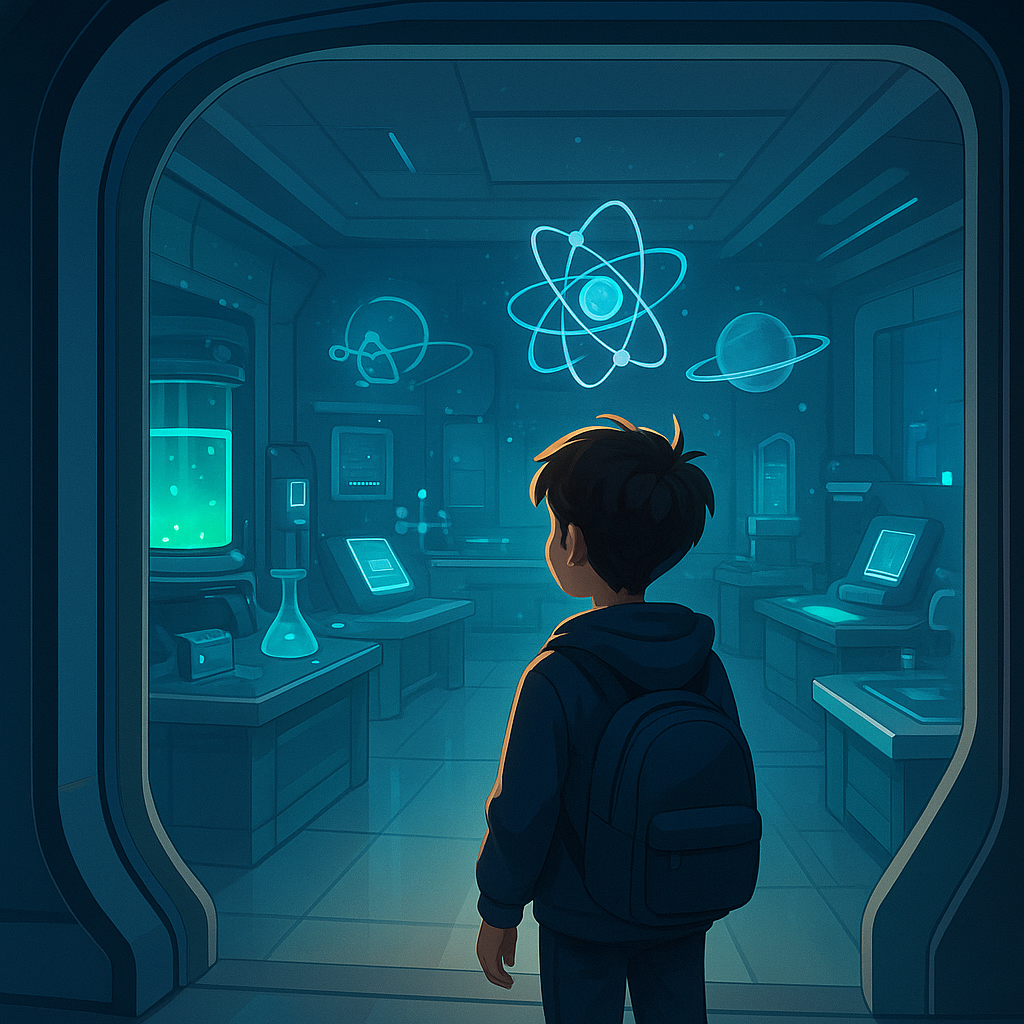
Imagine standing beneath a star-studded sky, the Milky Way stretching infinitely above you. That sense of awe and curiosity is the very essence of science—a call to explore, understand, and question the world around us. This spark, experienced by countless pioneers from Marie Curie to contemporary innovators, is the first step in embarking on a scientific journey. But how does one translate this initial wonder into a structured, rewarding pursuit?
Science in 2026 is more accessible than ever, yet the vastness of information and disciplines can feel overwhelming. From quantum physics to environmental science, the paths are numerous and varied. The question many beginners face is: where do I start? This comprehensive guide provides a clear roadmap to entering the world of science with confidence and purpose.
"Science begins with curiosity but flourishes with methodical inquiry and a willingness to embrace uncertainty." — Dr. Elena Marquez, Science Educator
Tracing the Roots: How Science Became a Gateway to Understanding
The journey of science is a story of human civilization’s quest for knowledge. From ancient Babylonian astronomy to the Renaissance’s groundbreaking discoveries, science has evolved through centuries of trial, error, and innovation. The Scientific Revolution of the 16th and 17th centuries laid the foundation for empirical methods, shifting reliance from dogma to observation and experimentation.
Fast forward to the 21st century, and science has expanded into multidisciplinary fields, integrating technology, data analytics, and global collaboration. The rise of citizen science projects and open-access research has democratized knowledge, making it possible for newcomers worldwide to engage meaningfully.
Understanding this context is crucial for beginners. It highlights that science is a dynamic process, not a static body of facts, and that anyone can contribute to its progress.
Core Pillars: Building Your Scientific Foundation
Getting started with science demands a blend of mindset, skills, and resources. Here are essential components to focus on:
- Curiosity and Questioning: Science thrives on asking meaningful questions. Develop an inquisitive mindset by observing your surroundings and challenging assumptions.
- Basic Scientific Literacy: Familiarize yourself with the scientific method: hypothesis formation, experimentation, observation, and conclusion. Resources like Khan Academy and Coursera offer foundational courses.
- Critical Thinking and Data Analysis: Learn to analyze information objectively, understand statistics, and evaluate sources critically.
- Hands-On Experience: Engage in experiments, either at home with simple kits or through local science clubs and makerspaces.
- Access to Quality Resources: Utilize libraries, scientific journals, and reputable online platforms to stay updated.
According to recent educational trends analyzed by the National Science Foundation, students who combine theoretical knowledge with practical application excel significantly in scientific understanding.
"The essence of science education is not memorization but active engagement and application." — Dr. Samuel Greene, Education Policy Analyst
2026 Developments: The New Landscape for Science Beginners
The year 2026 brings several advancements that reshape how newcomers approach science:
- AI-Powered Learning Tools: Adaptive platforms like SciTutor and NeuralLearn tailor educational content to individual learning styles, making complex topics more digestible.
- Virtual and Augmented Reality Labs: Institutions such as the Global Science Consortium have popularized VR labs, allowing remote experimentation in physics and chemistry without physical risks or equipment.
- Open Science Initiatives: The Open Science Movement 3.0 promotes collaborative research with transparent data sharing, inviting amateurs to contribute to real-world problems.
- Sustainability and Climate Science Focus: As climate change urgency intensifies, educational programs emphasize environmental science, providing accessible projects on renewable energy and conservation.
These innovations lower barriers and enhance engagement, especially for those without formal scientific backgrounds.
For those interested in space-related fields, our article Charting Your Path to the Stars: How to Get Started with Space Exploration offers a specialized roadmap. Meanwhile, Building Your First Gaming Setup illustrates how technical skills in hardware can complement scientific learning, especially in computational fields.
Insights from Experts: Navigating the Science Frontier
Leading scientists and educators emphasize a few key strategies for novices:
- Embrace Interdisciplinary Learning: Modern science is interconnected. Understanding biology, chemistry, and computer science together opens broader opportunities.
- Participate in Citizen Science: Projects like Globe at Night and Foldit enable beginners to contribute to meaningful research while learning.
- Network and Mentorship: Connecting with professionals via platforms such as ResearchGate or local science fairs offers guidance and motivation.
- Develop Resilience: Scientific inquiry involves failures and setbacks. Persistence is vital.
Dr. Amina Patel, a biophysicist at the International Institute of Molecular Sciences, notes,
"Starting in science is less about innate genius and more about cultivating curiosity, patience, and a community of support."
Looking Ahead: Future Horizons and Your Role in Science
As science continues to evolve, newcomers have unprecedented opportunities to impact the future. Emerging areas like synthetic biology, quantum computing, and space colonization are ripe for fresh minds.
Key trends to watch include:
- Integration of AI and Human Creativity: Augmented intelligence will enhance experimentation, requiring human insight for ethical and innovative directions.
- Global Collaborative Networks: Science will increasingly rely on international data sharing and cooperation, making cross-cultural communication skills essential.
- Focus on Sustainability: Environmental science will remain critical as societies seek solutions for climate resilience.
For beginners, adopting a lifelong learning approach and staying adaptable will be crucial. Engaging in community science hubs, online forums, and continuing education can turn early curiosity into a meaningful scientific career or hobby.
Exploring foundational guides such as Unlocking Online Privacy can also equip science learners with essential digital literacy, an increasingly important skill in the research landscape.
Case Studies: Real-World Successes of Science Beginners
Consider the story of Maya Lin, a high school student from Nairobi, who started with basic biology experiments at home. Using open-source genetic datasets and online mentorship, she contributed to a project identifying drought-resistant crops, now supported by the African Agricultural Research Institute.
Another example is Oliver Chen, an urban enthusiast who combined his passion for environmental science and technology. Starting with citizen science air quality monitoring, Oliver developed a community app that tracks pollution, now adopted by several cities in Southeast Asia.
These examples underscore how accessible tools, coupled with determination and community engagement, can enable beginners to make tangible contributions.
- Maya’s approach: self-education, open data, mentorship
- Oliver’s approach: local engagement, technology integration, community impact
Such stories inspire new learners to recognize that science is not confined to labs or universities but thrives wherever curiosity meets action.