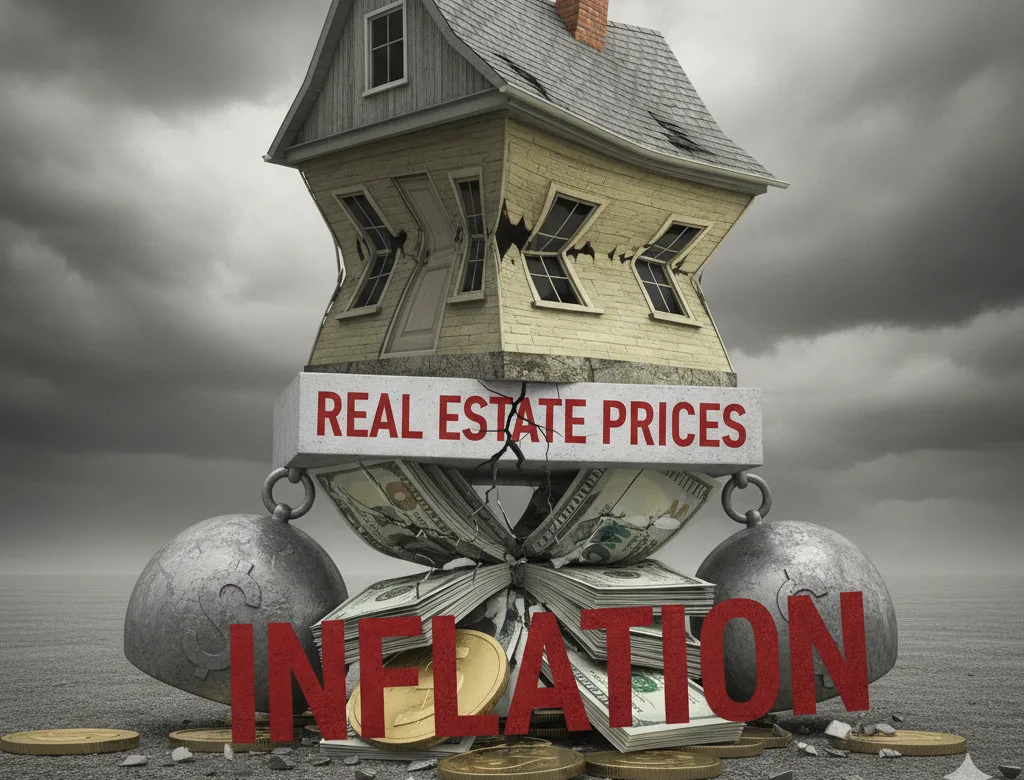
Most people notice inflation first in small everyday moments.Groceries feel slightly more expensive. Fuel prices creep upward. Restaurant bills start looking different. Then after a while, larger purchases begin shifting too — cars, construction, rentals, housing.
And real estate usually doesn’t stay untouched for very long.
In fact, property markets often react to inflation in ways that feel confusing at first. Prices rise, but buyers become cautious. Rental demand increases, but borrowing becomes harder. Investors enter the market looking for “safe assets,” while developers simultaneously struggle with rising project costs. So inflation doesn’t push real estate in just one direction.
It creates pressure from multiple sides at the same time. And honestly, that’s exactly what many property markets — including Ahmedabad — have been experiencing gradually over the last few years.
Why Real Estate Usually Reacts Strongly to Inflation
Property is considered a “real asset.”
That’s important.
Unlike cash sitting in a savings account, real estate tends to hold underlying physical value:
- land
- construction
- location
- infrastructure
- rental potential
So when inflation reduces purchasing power, many investors naturally move toward assets they believe can preserve value better over time. That’s one reason residential and Commercial Properties for sale in ahmedabad continue attracting attention even during periods of rising inflation. People start thinking long term.
Not necessarily because they expect instant profits. Mostly because physical assets often feel safer than watching money lose value slowly elsewhere.
Construction Costs Rise Faster Than Buyers Expect
This is one of the biggest direct impacts of inflation on real estate. When inflation increases, construction becomes more expensive almost immediately.
Developers start paying more for:
- cement
- steel
- labor
- transportation
- electrical materials
- approvals and operational costs
And eventually those increased costs flow into property pricing. Buyers sometimes assume developers are simply raising rates aggressively for profit. But in many cases, the actual project development cost itself has changed significantly.
That’s especially visible in rapidly growing residential markets like Ahmedabad, where ongoing construction activity remains high. Several newer Properties in Ahmedabad launched over recent years already reflect higher input costs compared to older projects nearby.
Property Often Becomes a Hedge Against Inflation
This is probably why real estate remains attractive during uncertain economic periods.
When inflation rises:
- currency purchasing power weakens
- fixed savings lose real value gradually
- operational costs increase across industries
But property values and rental income often move upward over time too. Not perfectly. Not instantly.
Still, many investors view real estate as something that can partially protect wealth against inflationary pressure over the long term. Especially income-generating assets.
That’s one reason investors continue exploring:
- residential apartments
- rental-focused housing
- land parcels
- Commercial Properties for sale in ahmedabad
during inflation-heavy periods.
Rental income, appreciation potential, and tangible ownership all contribute to that appeal.
Interest Rates Usually Complicate the Situation
This is where things become less straightforward. When inflation rises aggressively, central banks often increase interest rates to slow spending and stabilize the economy.
And once interest rates rise:
- home loans become more expensive
- EMIs increase
- buyer affordability weakens
- borrowing slows down
Which creates an interesting contradiction. Property prices may rise because construction and land costs increase, while buyer demand simultaneously becomes more cautious because financing feels heavier. That tension affects almost every real-estate market eventually. Including Ahmedabad.
Rental Markets Usually Become Stronger During Inflation
This trend appears quite often. When purchasing property becomes more expensive because of:
- higher prices
- increased EMIs
- rising down payments
many buyers delay ownership decisions temporarily. Which pushes more people toward rentals instead. That increased rental demand often allows landlords to raise rents gradually.
And for investors holding residential or commercial property, stronger rental yield becomes one of the major advantages during inflationary periods. Especially in active urban markets where migration and employment growth continue steadily.
Developers Become More Careful During High Inflation
Inflation doesn’t only affect buyers. Developers face pressure too. Higher borrowing costs and increasing construction expenses can make large projects riskier to launch. In some cases:
- project timelines slow down
- launches get delayed
- supply becomes limited
- smaller developers struggle financially
And when supply growth slows while demand remains active, prices for existing residential inventory often rise further. This is partly why certain Ahmedabad residential locations continue seeing upward pricing pressure despite affordability concerns.
Affordable Housing Demand Usually Increases
During inflation-heavy periods, buyer behavior changes noticeably. People start becoming more practical with budgets. Instead of stretching aggressively for luxury housing, many buyers shift focus toward:
- compact apartments
- mid-range housing
- developing locations
- projects with lower maintenance costs
That demand shift becomes especially visible among first-time buyers and salaried professionals.
Even in cities like Ahmedabad, where premium housing demand remains active, affordable and mid-range Properties in Ahmedabad continue attracting significant attention because buyers want financial flexibility during uncertain economic conditions.
Commercial Real Estate Behaves Slightly Differently
Commercial property reacts to inflation in its own way. Strong commercial spaces in growing business locations can sometimes benefit because:
- lease values increase
- long-term rental agreements adjust upward
- business demand supports occupancy
That’s why investors continue monitoring:
Commercial Properties for sale in ahmedabad
particularly around:
- SG Highway
- Prahlad Nagar
- Sindhu Bhavan Road
- corporate and retail corridors
However, commercial markets also face challenges during inflation:
- operational expenses rise
- financing costs increase
- businesses become more cautious about expansion
So performance varies heavily depending on location and tenant demand.
Inflation Changes Buyer Psychology Too
This part gets overlooked sometimes. Inflation affects how people feel about money.
Buyers become:
- more cautious
- more comparison-driven
- more value-focused
People start evaluating:
- maintenance costs
- EMI pressure
- rental potential
- future resale value
- long-term livability
more seriously than before. And honestly, that often creates healthier buying decisions overall. Because buyers stop chasing only marketing hype and start thinking more practically about long-term affordability.
Ahmedabad Still Shows Strong Real-Estate Activity
Despite inflation concerns, Ahmedabad’s property market remains active across multiple segments.
Why?
Mostly because the city still benefits from:
- expanding infrastructure
- industrial growth
- commercial development
- growing residential demand
- relatively balanced pricing compared to larger metros
That combination keeps attracting:
- end-users
- investors
- NRIs
- commercial buyers
even while inflation continues influencing broader economic conditions.
Long-Term Investors Usually Think Differently During Inflation
Short-term buyers often worry most about rising EMIs and pricing pressure.
Long-term investors look at something else:
asset survival.
They focus on whether:
- the location remains relevant
- rental demand stays active
- infrastructure keeps improving
- long-term appreciation potential exists
Because inflation cycles eventually change. But strong locations and functional real estate often continue holding value across those cycles. That’s why many experienced investors still view property as a long-term wealth-preservation tool despite market fluctuations.
Where Addressbox Helps
Comparing properties during inflation-heavy markets becomes more difficult because pricing changes constantly across locations and project types.
Platforms like Addressbox help buyers and investors explore:
- residential properties
- commercial spaces
- budget comparisons
- locality trends
- project configurations
across Ahmedabad more efficiently. That makes it easier to evaluate realistic property options instead of relying purely on broad market assumptions.
And honestly, clarity matters much more when markets feel financially uncertain.
Final Thoughts
Inflation affects real estate from almost every direction.
Construction costs rise. Property prices increase. Rental demand grows. Borrowing becomes harder. Buyers grow cautious. Investors search for stability. And somehow, all of those things happen at the same time. But despite the complications, property continues remaining important because it represents something physical and functional — not just numbers on a screen.
In cities like Ahmedabad, where residential and commercial development continues expanding steadily, inflation may reshape buyer behavior and pricing patterns, but it probably won’t reduce the long-term importance of real estate itself.
If anything, it often reminds people why real assets still matter.
FAQs
1. How does inflation affect real estate prices?
Inflation usually increases property prices by raising construction costs, labor expenses, and material prices while also increasing demand for real assets like property.
2. Why do construction costs rise during inflation?
Raw materials like cement and steel become more expensive, labor costs increase, and transportation and operational expenses rise during inflationary periods.
3. Is real estate considered a good hedge against inflation?
Many investors consider real estate a long-term inflation hedge because property values and rental income often increase over time during inflationary cycles.