The First Sizzle of the Pan
Imagine standing in a sun-drenched kitchen in Old Delhi. The air is thick with the smell of roasting cumin and fresh ginger. You aren't just watching a chef; you are holding the wooden spoon yourself. Most people visit India to see the Taj Mahal, but the real heart of the country beats in its kitchens. An India Culinary Tour turns every meal into a story. It is the difference between eating a dish and understanding the generations of tradition that went into it.
The truth is, Indian food is not just one thing. It is a massive puzzle of flavors that change every hundred miles. In the North, you find rich, creamy gravies and tandoori heat. In the South, the air smells of coconut and mustard seeds. Starting this journey feels like opening a book where every page tastes better than the last. It’s an adventure for your senses that stays with you long after the flight home.
Beyond the Standard Menu
Here is the part most guides skip: the "Indian food" you eat back home is usually just a tiny slice of reality. Real regional food is full of surprises. You might find yourself tasting a tangy fish curry on a houseboat in Kerala or a smoky, slow-cooked lentil dish in a Rajasthani village. These aren't just recipes; they are reflections of the local land and weather.
When you look into Indian luxury tours, the focus often shifts to the comfort of the stay. But the true luxury is the access you get. It’s about sitting in a private courtyard, watching a grandmother roll out perfect flatbreads. It adds up to an experience that feels deeply personal and authentic. You aren't a tourist looking at a monument; you are a guest at a family table. That is where the real connection happens.
The Magic of the Spice Market
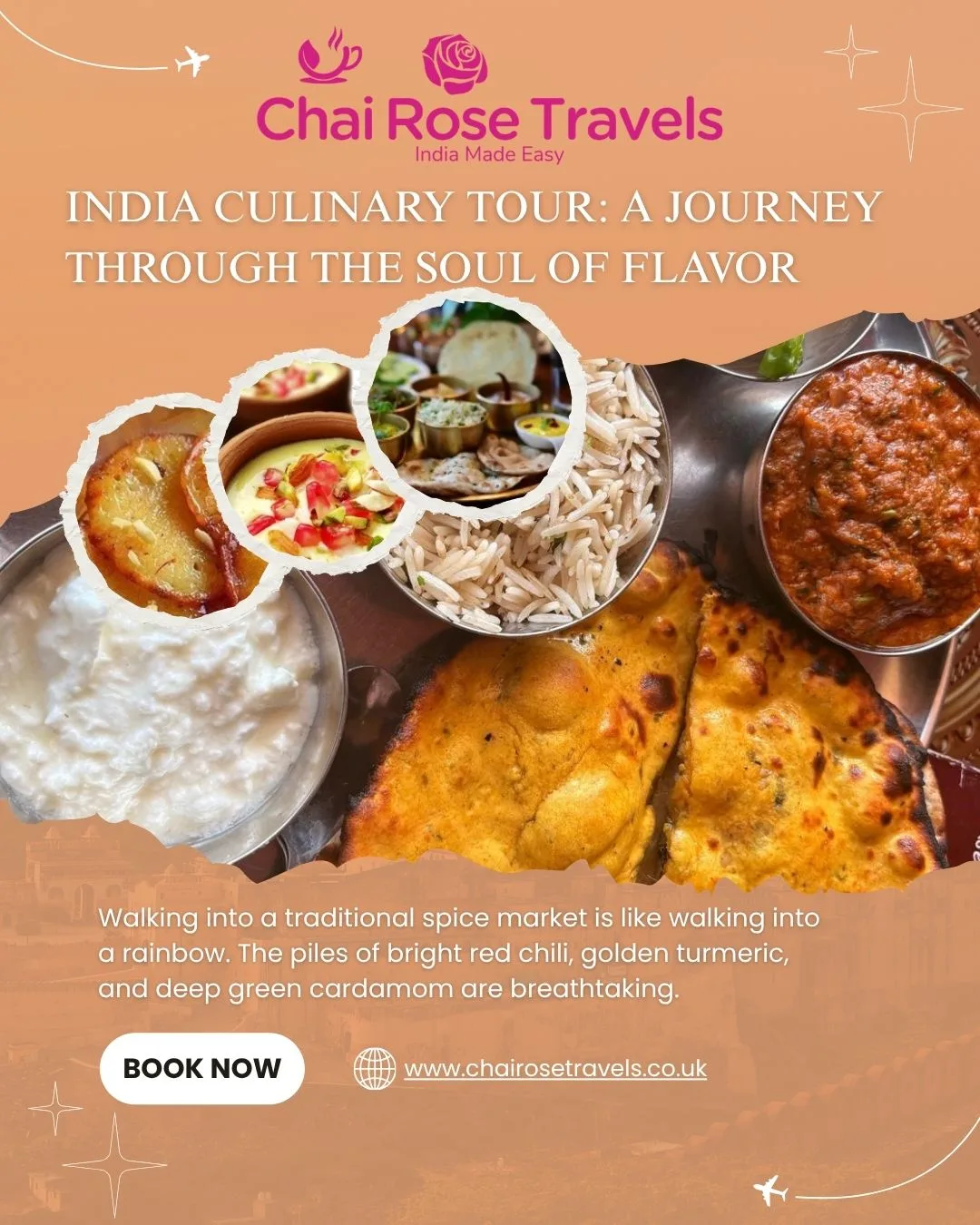
Walking into a traditional spice market is like walking into a rainbow. The piles of bright red chili, golden turmeric, and deep green cardamom are breathtaking. This is the engine room of Indian cooking. Worth knowing: every spice has a purpose beyond just taste. Some are for health, some for color, and some to balance the heat.
A guided walk through these markets is a lesson in history. Spices were once as valuable as gold, and they shaped the world's trade routes. Learning how to pick the best cinnamon or how to tell if saffron is real is a skill you take home with you. Chai Rose Travels focuses on these "slow" experiences, ensuring you have the time to talk to the vendors and hear their stories. It turns a simple shopping trip into a cultural exchange.
Cooking as a Bridge
There is something special about preparing a meal with your own hands. In many parts of India, cooking is a communal act. It is a time for sharing news and laughter. Taking a cooking class during your tour is the best way to "crack the code" of complex flavors. You learn that the secret isn't just the ingredients; it’s the order in which they hit the pan.
That's not all. You learn about the "field to fork" connection. Many tours now include visits to local farms where you can see how black pepper grows on vines or how rice is harvested. Seeing the hard work that goes into a single bag of spices gives you a new level of respect for your dinner. It makes the food taste better because you know the hands that grew it and the soil it came from.
The Spirit of Slow Travel
In a world that moves too fast, an India Culinary Tour invites you to slow down. It’s about savoring the moment. Instead of rushing between ten different cities, you spend time in a few key places. You get to know the local baker who wakes up at 4:00 AM to make fresh naan. You recognize the different aromas of the street food stalls as evening falls.
This approach is what modern travelers are looking for. It’s about quality over quantity. The catch? You have to be willing to get your hands a little messy. Whether you are kneading dough or grinding spices with a stone, you are participating in a living culture. This grounded way of traveling is respectful and sustainable. It ensures that your visit benefits the local community directly.
A Feast for the Eyes and the Soul
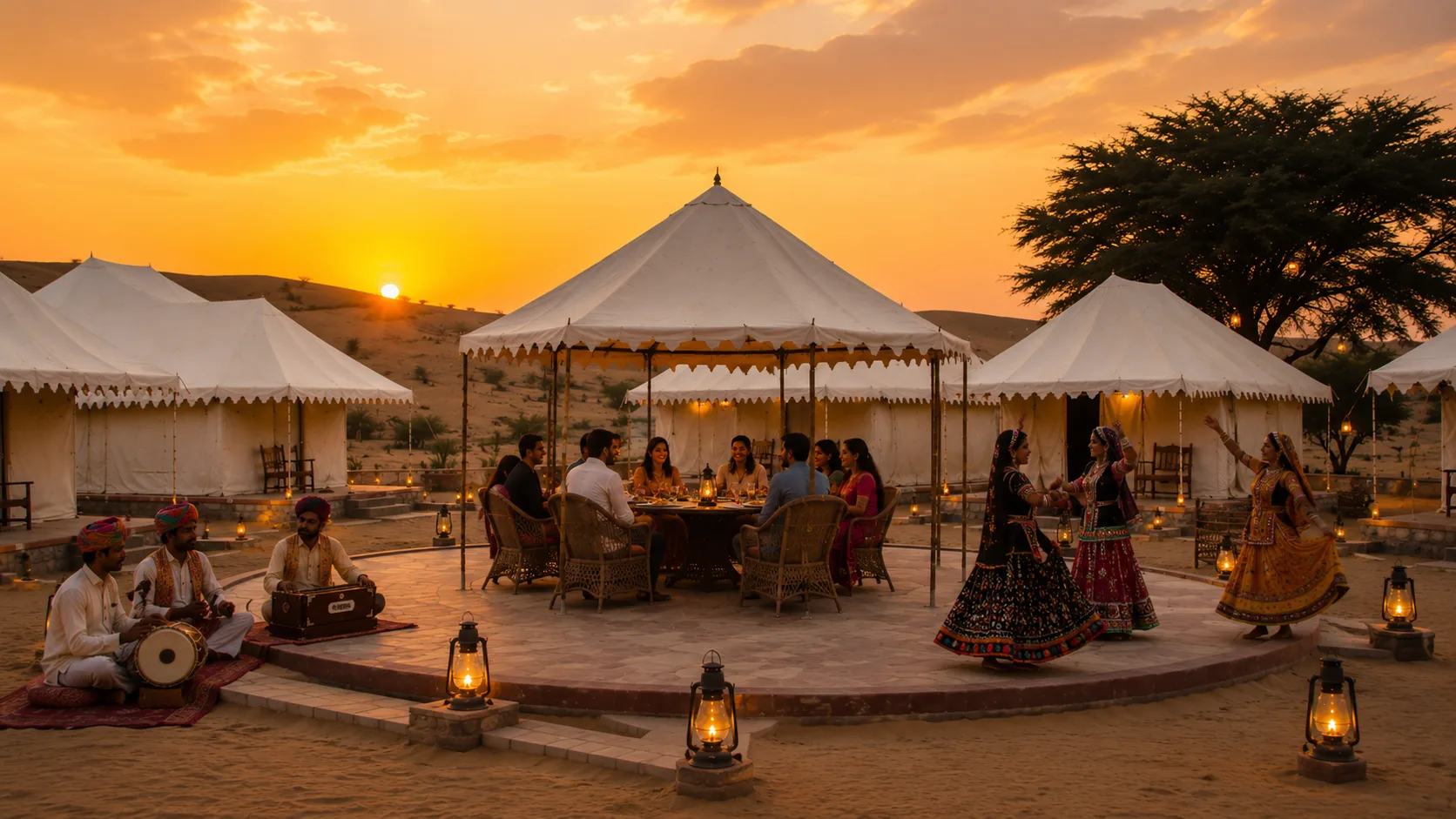
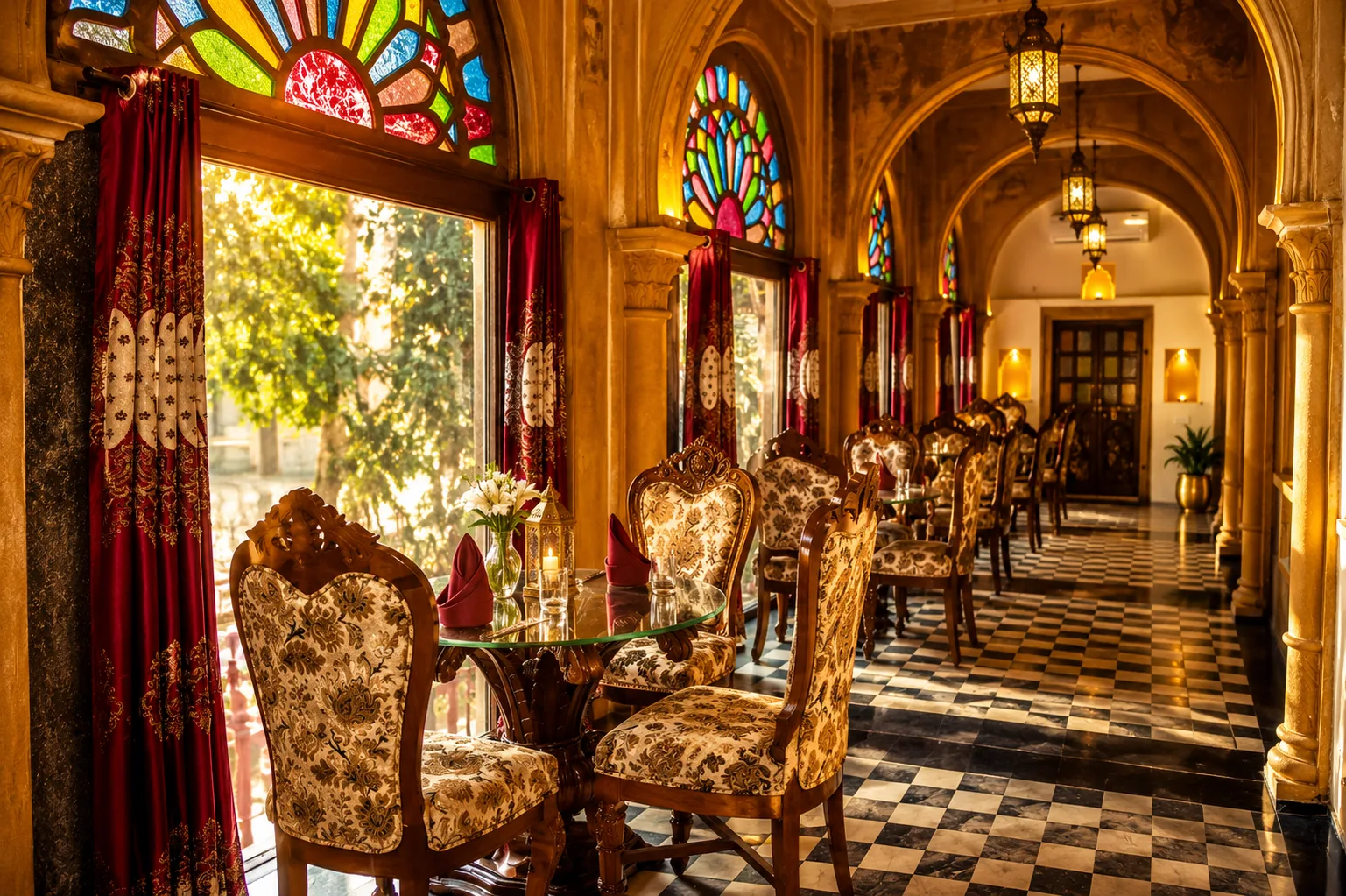
While the food is the star, the settings are just as incredible. Imagine dining on a terrace overlooking a blue city, or having a picnic in a lush tea plantation. Indian luxury tours often pair these world-class meals with stunning views. But the real "soul" comes from the hospitality. In India, there is a saying: "The guest is God."
You feel this warmth in every cup of chai offered to you. It’s in the way a host insists you have a second helping of dessert. These small moments of kindness are what people remember most. The food is the bridge that brings people together, breaking down language barriers and creating instant friendships. It is a sensory education that reveals how culture and climate shape the way millions of people eat every day.
Planning Your Palate's Adventure
When is the best time to go? The winter months from October to March are perfect. The weather is cool, making outdoor markets and farm visits very comfortable. It is also the season for many food festivals and traditional weddings, which offer even more chances to see "party food" on a grand scale.
Make sure to pack comfortable walking shoes and an open mind. Some flavors might be new, and some might be bold, but that is the point of the journey. Every bite is an opportunity to learn. If you go with a quiet heart and a healthy appetite, India will feed you in ways you never expected. It is a journey that fills your heart just as much as your stomach.
Frequently Asked Questions
1. Is the food very spicy?
Not always! Indian food is about balance. While some dishes have heat, many are mild and fragrant. You can always ask for your meal to be prepared according to your preference.
2. Can vegetarians enjoy the tour?
Absolutely. India has one of the world's best vegetarian cuisines. You will find an incredible variety of plant-based dishes that are just as rich and satisfying as meat-based ones.
3. Is it safe to eat street food?
Yes, if you follow expert guidance. Your tour naturalists know the cleanest and most authentic spots where the food is fresh and the turnover is high.