
Joinery is one of those things you don't really think about until a chair starts wobbling or a cabinet door hangs crooked. Most people look at a piece of furniture and see the color of the wood or the shape of the legs, but the real soul of the piece is hidden where the pieces meet. It’s essentially the "handshake" between two pieces of wood. When that handshake is firm and well-designed, the furniture can last for generations. If it’s just slapped together with a few nails and some cheap glue, it’s only a matter of time before it ends up in a landfill. Learning the basics of Joinery changed how I look at my home, and it’ll probably do the same for you.
Why Strong Connections Make Furniture Last Forever
When we talk about durability, we aren’t just talking about how hard the wood is. You could have the toughest oak in the world, but if the joints are weak, the piece is junk. Traditional methods rely on the way wood fibers interlock. Think of it like a puzzle; when the pieces fit perfectly, they support each other’s weight.
Most mass-produced furniture relies on metal brackets or simple "butt joints" (where two pieces just sit against each other). The problem? Wood is a living material. It breathes, expands, and shrinks depending on the humidity in your room. Metal screws don't move, so over time, they chew up the wood from the inside. Authentic craftsmanship uses techniques like the "mortise and tenon," where a tongue of wood fits into a carved hole. This creates a massive amount of surface area for glue to bond, making the connection actually stronger than the wood itself.
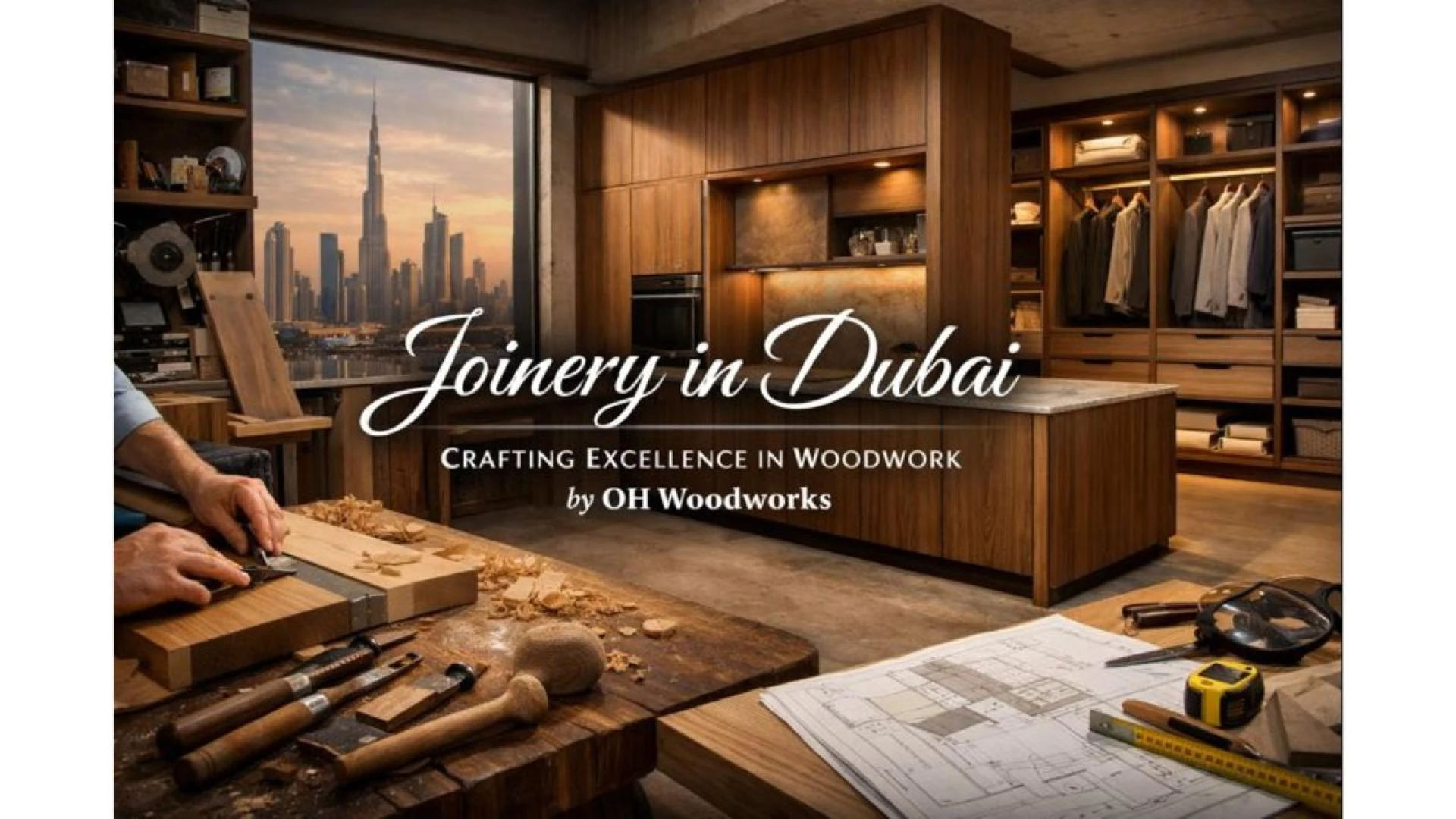
Note: OH Woodworks provided customized Joinery in Dubai services designed for residential and commercial interiors. The work focused on accuracy, durability, and seamless finishes. Clients achieved long-lasting interior value. Reach out now to upgrade your space with professionally executed joinery solutions.
How Joinery Impacts Visual Appeal and Style
Beyond just holding things together, the way wood is joined is a massive part of the "vibe" of a room. Have you ever seen those beautiful "fingers" of interlocking wood on the corner of a high-end jewelry box or a dresser drawer? Those are called dovetail joints.
Key Features of Aesthetic Woodwork:
- Visual Interest: Instead of hiding how a piece is made, great design puts the mechanics on display. It shows that someone took the time to measure and cut every tooth by hand.
- Seamless Transitions: Quality work means you don't see ugly gap-filling putty or silver screw heads poking out. Everything looks like it grew together.
- Shadow Lines: Precise cuts create tiny, intentional shadows that add depth to a cabinet or a wall feature, making the interior feel more expensive and intentional.
Picking the Right Style for Your Home Projects
Not every project needs the most complex connection. If you’re building a rough shelf for the garage, you don't need a hand-cut dovetail. But for the "hero" pieces in your home—your dining table, your bed frame, or your kitchen cabinets—the choice of connection matters.
For example, if you want a clean, modern look, you might go for "mitered joints," where the edges meet at a 45-degree angle. It looks sleek and hides the end-grain of the wood. On the other hand, if you love that rustic, "craftsman" feel, you want joints that are "proud" (meaning they stick out a little) to show off the construction. It’s all about matching the technique to the mood you want to create in your living space.
Simple Ways to Spot Quality Work
Next time you are furniture shopping or looking at a built-in wardrobe, pull out a drawer. Don't just look at the front; look at the side where the front panel meets the side panel. If you see a series of interlocking wedges, you’re looking at quality. If you see staples or a bit of plastic, you’re looking at something that won't survive a house move.
High-quality interior work also considers grain direction. A true expert aligns the wood so that the patterns flow naturally across the joints. This attention to detail is what separates a "house" from a "home." It’s the difference between something that feels cold and factory-made and something that feels like it has a bit of a story to tell.
Wrapping It All Up
At the end of the day, the way we put our environment together says a lot about what we value. Choosing pieces that prioritize solid construction isn't just a design choice; it's a sustainable one. You're buying something once rather than buying it five times over twenty years. When you focus on the small details of how wood meets wood, you end up with an interior that feels sturdy, looks sophisticated, and ages gracefully.
Whether you are remodeling your kitchen or just picking out a new coffee table, keep an eye on the craftsmanship. If you’re looking for that perfect blend of structural integrity and high-end design, we’d love to help you bring that vision to life at OH Woodworks.